Introduction
Nelson Mandela, a name synonymous with the struggle against oppression and the fight for equality, remains a pivotal figure in the history of human rights. His journey from a prisoner to the first black president of South Africa marks a significant chapter in the global narrative of justice and reconciliation. In light of recent events commemorating his life and contributions, understanding Mandela’s legacy is crucial as the world continues to grapple with issues of racism, inequality, and human rights abuses.
Key Achievements and Events
Born on July 18, 1918, in the village of Mvezo, Mandela’s activism began in the 1940s when he joined the African National Congress (ANC). His fight against apartheid led to his arrest and a life sentence in 1962. Mandela’s resilience became a symbol of the struggle for freedom, drawing international attention to South Africa’s injustices. His release in 1990, after 27 years in prison, was met with worldwide celebration and marked the beginning of the end of apartheid.
In 1994, Mandela made history by becoming South Africa’s first black president in the nation’s first multiracial elections. His presidency emphasised reconciliation, nation-building, and peace, steering the country away from civil war and towards a democratic society. The establishment of the Truth and Reconciliation Commission highlighted his commitment to healing the nation by addressing past grievances and promoting forgiveness.
Current Relevance and Global Impact
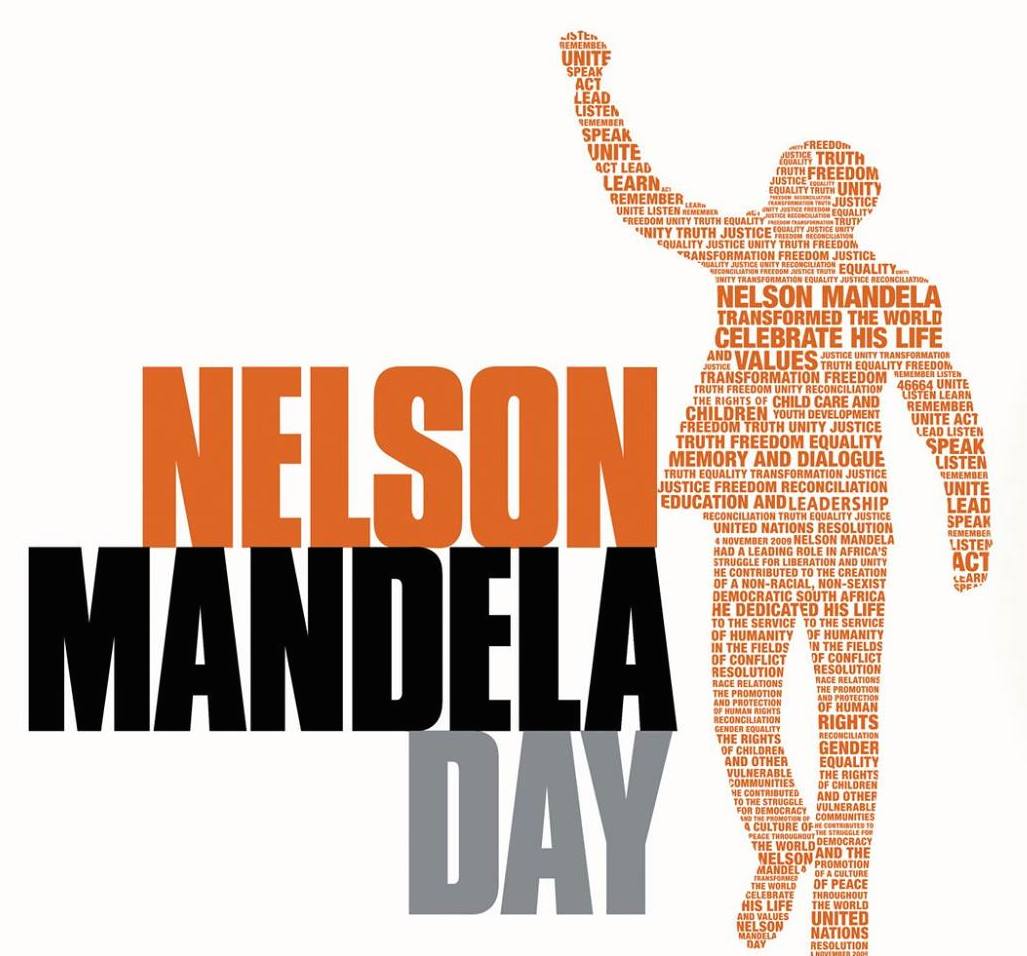
As we reflect on the narrative of Mandela’s life, his teachings resonate in today’s socio-political climate. The challenges of systemic racism and inequality persist globally, and Mandela’s messages of resilience, courage, and hope continue to inspire movements advocating for social justice. Events like UN Nelson Mandela International Day, celebrated annually on July 18, remind us of the need to uphold human rights and strive for equity in our societies.
Moreover, Mandela’s approach to leadership—focusing on dialogue, empathy, and understanding—serves as a blueprint for modern leaders. His ability to unite disparate groups under a common vision of peace exemplifies the power of inclusive governance.
Conclusion
Nelson Mandela’s legacy transcends South Africa, impacting global perspectives on justice and human dignity. As remnants of apartheid linger in various forms worldwide, embracing Mandela’s philosophy and actions is essential. The journey towards equality and justice is ongoing, and Mandela’s life serves as a guiding light for those striving to create a better world. As we advance into an uncertain future, continuing to learn from his legacy will be vital for the fight against oppression and the pursuit of human rights for all.