Introduction
In recent years, the consumption of ultra processed foods has become a growing concern among health professionals and nutritionists. These products, which are often high in sugars, unhealthy fats, and additives, are linked to various health issues, including obesity, diabetes, and heart disease. With the increase in unhealthy dietary patterns globally, understanding the implications of ultra processed foods is more relevant than ever.
What Are Ultra Processed Foods?
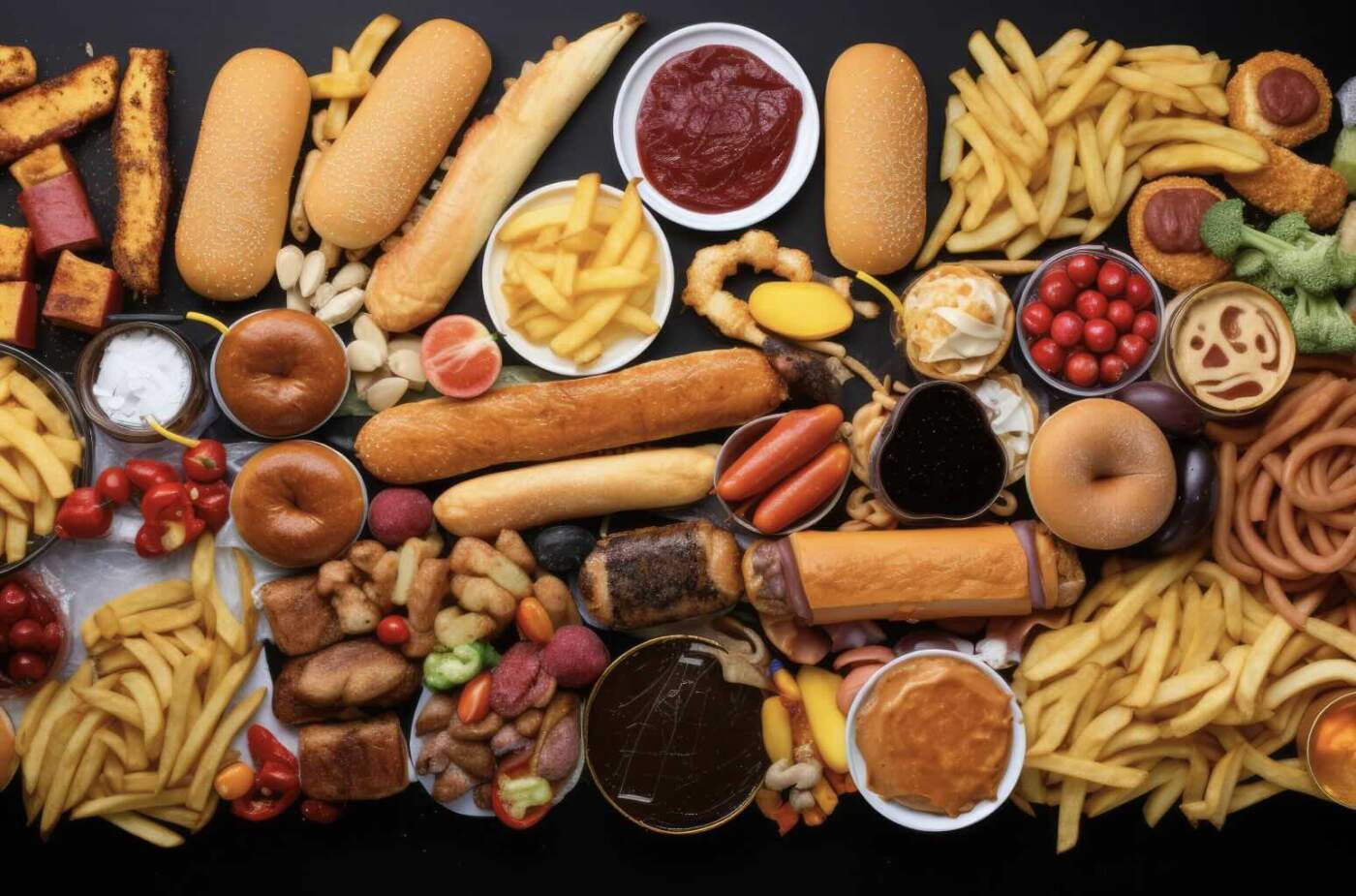
Ultra processed foods are defined as formulations made mostly or entirely from substances derived from foods, such as sugar, oils, fats, starch, and proteins, combined with additives such as preservatives, colourings, flavourings, and emulsifiers. Common examples include sugary drinks, instant noodles, packaged snacks, and ready-to-eat meals.
Recent Findings on Health Impact
Recent studies have highlighted alarming trends associated with the consumption of ultra processed foods. A study published in the British Medical Journal in 2022 found a strong correlation between the intake of these foods and the prevalence of chronic diseases. The research indicated that individuals who consumed more than 50% of their daily energy from ultra processed foods had an increased risk of developing heart disease and cancer.
The Role of Marketing and Availability
One of the key factors contributing to the rise in ultra processed food consumption is aggressive marketing, especially targeting children and young adults. The availability of these products has also surged, with convenient options often being more accessible and cheaper than healthier alternatives. Consequently, many people find themselves choosing these products due to ease of access and affordability.
Public Health Recommendations
In response to these concerning trends, health authorities, including the World Health Organization and Public Health England, are calling for public awareness campaigns and policy changes aimed at reducing the consumption of ultra processed foods. Recommendations include increasing taxes on sugary drinks, mandating clearer labelling, and promoting healthier food environments.
Conclusion
The significance of understanding the implications of ultra processed foods cannot be understated. With mounting evidence linking high consumption levels to detrimental health outcomes, it is crucial for individuals to evaluate their dietary choices and for governments to implement strategies promoting healthier eating habits. The future of public health may well depend on how effectively society can address the challenges posed by ultra processed foods.