Introduction
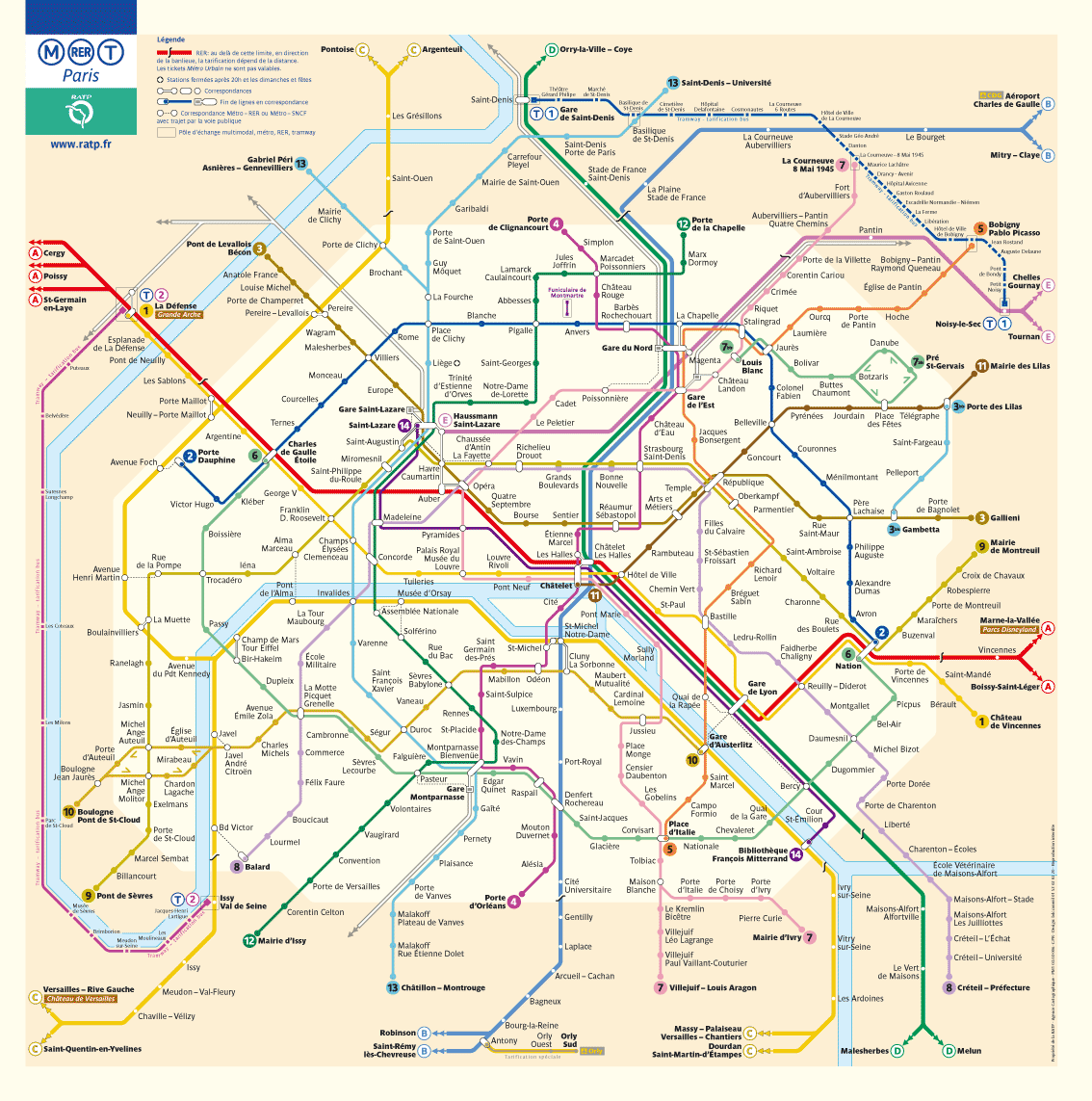
Metro systems play a crucial role in modern urban environments, facilitating efficient transportation and reducing congestion. As cities worldwide continue to expand, the need for reliable public transport options becomes increasingly vital. Enhanced metro systems not only ease commuting but also contribute to the economic and environmental sustainability of urban areas.
Current Developments in Metro Systems
As of 2023, various cities around the globe are investing heavily in the upgrade and expansion of metro networks. For instance, London’s Crossrail project, recently opened as the Elizabeth Line, adds significant capacity to the existing system, creating faster routes across the city. Similarly, the ongoing Tokyo Metro expansion aims to connect remote suburbs to the bustling city centre, thereby enhancing commuter access.
In addition to physical expansion, technology integration is a key focus for metro operators. Many systems are adopting advanced signalling systems, such as the Communication-Based Train Control (CBTC), which increases train frequency and safety. Furthermore, contactless payment options and mobile ticketing are becoming standard, making access for passengers simpler and more efficient.
Environmental and Economic Benefits
The implementation of metro systems delivers considerable environmental benefits by reducing car emissions and promoting sustainable modes of transport. According to a recent report by the International Association of Public Transport (UITP), cities with extensive metro networks see a decrease in car usage, leading to improved air quality.
Economically, metro systems create jobs, stimulate local economies, and increase property values along transit corridors. A study conducted by the Urban Institute indicated that for every 10% increase in public transit costs, the demand for housing in accessible areas grows, highlighting the economic relevance of these systems in shaping urban development.
Conclusion
As urban populations continue to rise, the importance of efficient metro systems cannot be overstated. They serve not only as a means of transport but also as catalysts for economic development and environmental sustainability. As cities like London and Tokyo pave the way for modernised metro solutions, the potential for improved metropolitan life becomes increasingly tangible, underscoring the need for continued investment and innovation in urban public transport.