Introduction
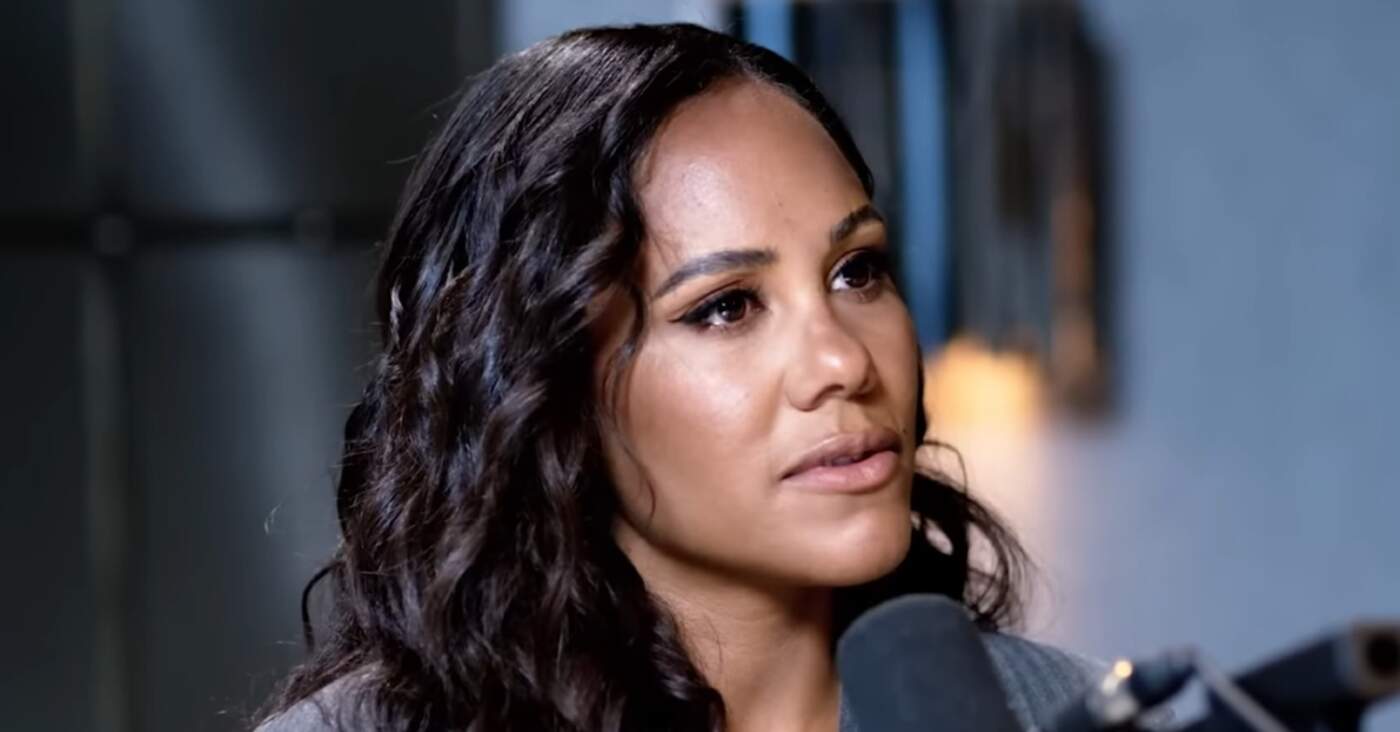
Alex Scott has emerged as a significant figure in sports broadcasting, breaking barriers and setting new standards in an industry historically dominated by men. Her journey from a talented football career to a respected broadcaster showcases the evolution of sports media and the increasing representation of women in this field. Scott’s presence not only inspires aspiring female athletes but also marks a shift towards diversity in sports representation.
The Journey from Football to Broadcasting
Born on October 14, 1984, in London, Alex Scott enjoyed a fruitful playing career as a professional footballer. She debuted for the Arsenal Ladies in 2006 and contributed significantly to their success, including multiple FA Women’s Cups and League titles. Scott also represented the England national team, earning 140 caps before retiring in 2017. Following her retirement from professional play, she seamlessly transitioned into broadcasting, where her passion for sports could flourish in a different capacity.
Achievements in Broadcasting
Scott’s media career took off when she started working as a pundit for the BBC and Sky Sports. She quickly gained recognition for her insightful commentary and analysis during live football matches, particularly during tournaments like the Women’s World Cup and UEFA European Championship. In 2021, she became the first female host of the BBC’s popular ‘Football Focus’ programme, reshaping the narrative of how women are portrayed in football media.
In addition to her broadcasting roles, Scott has appeared on various other television shows such as ‘Strictly Come Dancing,’ showcasing her versatile talent and broadening her appeal to a wider audience. Her lively personality and genuine enthusiasm for sports have helped her connect with fans, further enhancing her reputation as a leading voice in sports media.
Significance and Impact
Scott’s success is not just personal but represents a significant shift in sports broadcasting. Her presence encourages inclusivity and empowers future generations of female athletes and broadcasters. By openly discussing the challenges faced by women in sports and advocating for equality, Scott plays a vital role in fostering an environment where diversity is celebrated.
Conclusion
As Alex Scott continues to rise in prominence within the sports broadcasting world, her journey serves as a beacon of hope and inspiration for many. With her commitment to representation and advocacy for women in sports, it is clear that Scott will keep breaking new ground, proving that the future of sports media can be inclusive and diverse. Looking ahead, one can anticipate more groundbreaking changes as her influence grows, paving the way for a new era in sports journalism.