Introduction
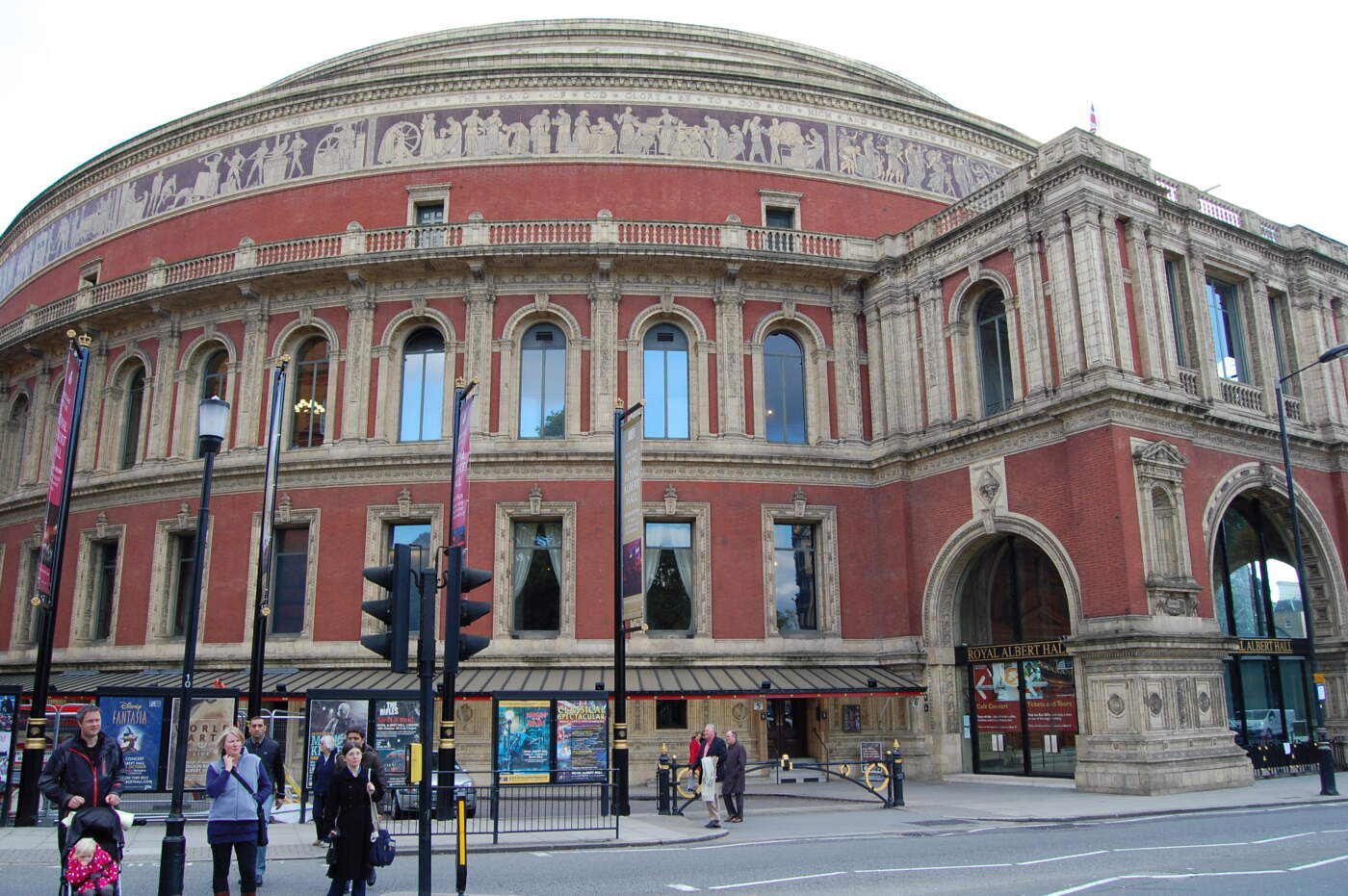
The Royal Albert Hall, located in the heart of London, is an iconic cultural venue known for its distinctive architecture and rich history. Opened in 1871, it has become a symbol of British musical life, accommodating a wide variety of performances from classical concerts to contemporary events. As recent developments demonstrate, the Hall continues to play a pivotal role in the UK’s cultural landscape, making it a topic of significance in current affairs.
Recent Events and Activities
This year, the Royal Albert Hall has resumed its full schedule following the challenges posed by the COVID-19 pandemic. One of the highlights was the return of the legendary BBC Proms, a series of concerts held every summer. This year marked the 127th season of the Proms, featuring over 70 concerts, bringing together an array of talented musicians, conductors, and orchestras from around the world.
Additionally, the Hall has hosted a variety of events celebrating diversity in music, including performances by contemporary artists and collaborations with international talents. For instance, the concert series showcasing emerging musicians has seen a surge in attendance, reflecting a growing interest in new genres and perspectives in music.
Historical Significance
The Royal Albert Hall, named in honour of Prince Albert, is not just a concert hall; it’s a monument of cultural heritage. It was designed by the architect Francis Fowke and built to promote the appreciation of the arts and sciences. Over the years, it has been the venue for numerous historical moments, from the very first performance by a full orchestra to the hosting of major events like the Beatles’ famous concert in 1964.
Conclusion
The Royal Albert Hall remains a vital part of London’s cultural fabric, continuing to host an impressive range of events that attract global audiences. As it moves into the future, the Hall is expected to further embrace innovations in music and performance art, thus maintaining its status as a leading venue for entertainment and artistic expression. Its ongoing commitment to inclusivity and diversity is likely to resonate with audiences, ensuring that the Royal Albert Hall remains not only a place for performance but also a beacon of community and cultural dialogue.