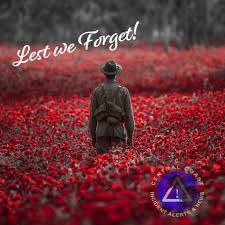
Introduction
Remembrance Day, observed on November 11th each year, holds a significant place in many countries as a time to honour and reflect on the sacrifices made by soldiers in conflicts around the world. The silence observed at the 11th hour is a crucial aspect of this memorial day, offering a moment for deep reflection and respect. This ritual is not just a tradition; it serves as a poignant reminder of the costs of war and the importance of peace.
The Purpose of the Silence
The two-minute silence, which begins at 11 am on Remembrance Day, invites individuals and communities to pause and remember those who lost their lives in service to their country. The origins of this silent tribute can be traced back to 1919, when King George V called for a silent tribute to commemorate the end of World War I. Since then, it has evolved into a universal symbol of remembrance, observed in schools, parks, and public squares.
Global Observations
Countries including the United Kingdom, Canada, Australia, and New Zealand, among others, observe this silence with great reverence. In London, the National Service of Remembrance held at the Cenotaph brings together members of the royal family, veterans, and the public. Similar ceremonies are held in cities worldwide, underscoring the global impact of war and the shared commitment to remembering those who served.
The Impact of the Silence
The silence serves multiple purposes: it allows individuals to reflect on personal losses, connect with the collective grief of a nation, and foster a sense of unity in calling for peace. Participants often express emotional responses, recognising the lingering effects of conflict on families and communities. Furthermore, it serves as an educational opportunity, particularly among younger generations who may not have direct ties to those who served.
Conclusion
As nations across the globe prepare to observe Remembrance Day, the act of silence stands as a profound symbol of respect and solidarity. It reminds us to reflect on the past while advocating for future peace. As current events continue to unfold in various geopolitical landscapes, the need for this moment of stillness remains a significant and relevant cry for understanding and reconciliation across nations. Thus, the Remembrance Day silence not only memorialises the fallen but also reinforces the crucial message of peace that should resonate beyond this annual observance.