Introduction
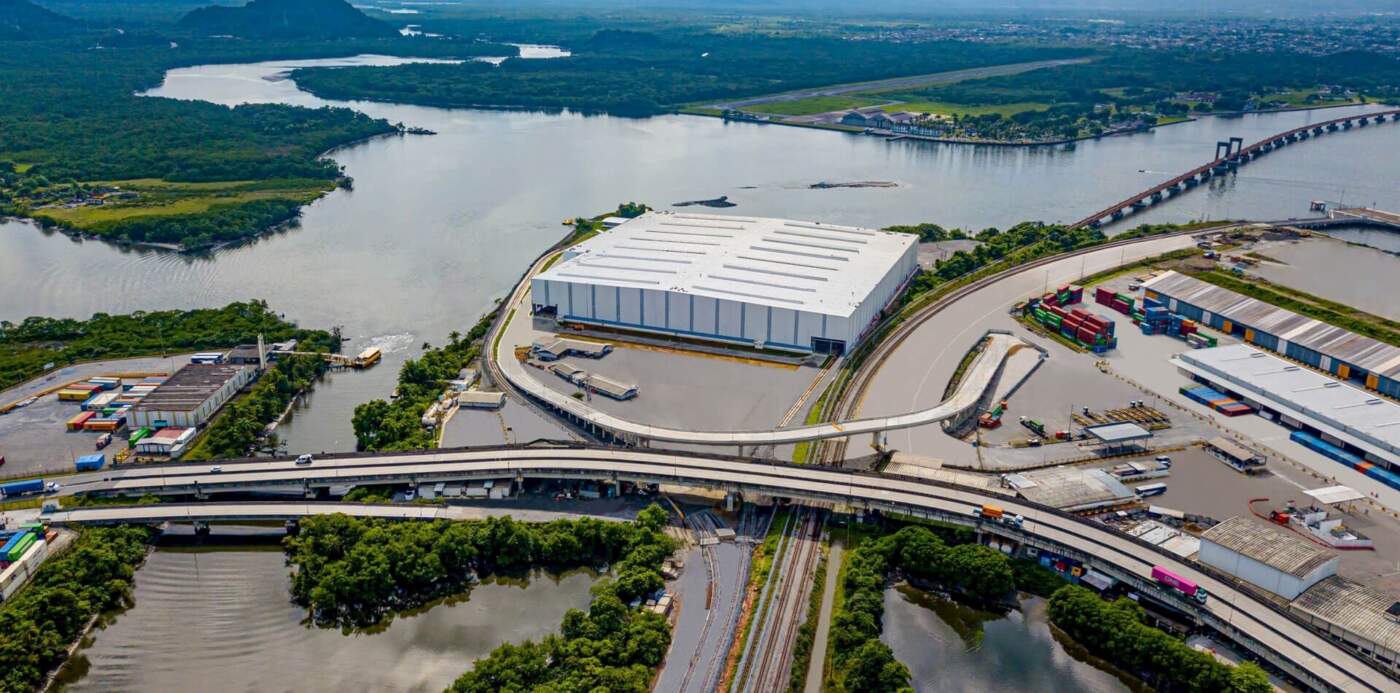
DP World is renowned as one of the leading companies in global logistics and port operations. With its extensive network of operations across various countries, DP World has been instrumental in facilitating international trade and fostering economic growth. As the global economy evolves, understanding the role of such companies becomes increasingly important for comprehending trade dynamics and supply chain developments.
Recent Developments
In the recent months, DP World has achieved remarkable milestones that further cement its position in the logistics sector. In early September 2023, the company announced the completion of its acquisition of the remainder of DP World Australia, which will streamline its operations and improve service delivery across the Australian market. This strategic move is expected to enhance DP World’s ability to respond to the growing demand for quick and efficient logistics solutions.
Additionally, DP World has been significantly investing in technological advancements and sustainability initiatives. Their recent $1 billion investment in green hydrogen technology aims at reducing carbon emissions and promoting energy-efficient practices within port operations. With logistics accounting for a significant portion of global carbon emissions, such initiatives are vital for meeting international climate goals, reflecting a trend towards greener practices in the logistics industry.
DP World’s Global Network
As of 2023, DP World operates over 80 marine and inland terminals across six continents. The company’s reach enables it to handle over 70 million TEUs (twenty-foot equivalent units) of containers annually. DP World’s ability to manage the supply chain effectively, from port to distribution, is further enhanced by their integrated services, which include warehousing, freight forwarding, and logistics.
Moreover, the company’s continual growth has been evident through its expansion into emerging markets. New terminal developments in Africa and Asia are expected to open in the coming years, which could lead to job creation and increased economic activity in those regions.
Conclusion
As DP World continues to expand its influence in global trade and logistics, its role in shaping the future of international supply chains becomes more significant. With ongoing investments in technology and sustainable practices, DP World is not just responding to current trade demands but is also preparing for future challenges and opportunities. For businesses and stakeholders in the global market, staying abreast of developments related to DP World will be crucial for navigating the complexities of international trade.