What is Betfair Exchange? It is a betting marketplace where users can back or lay outcomes against other users rather than only betting against a bookmaker.
A Betfair betting exchange lets a person back an outcome or lay it, so the market has two active sides instead of one fixed bookmaker price. Stakes, potential returns and liability can be shown in GBP, which makes the numbers easier to compare but still requires careful reading. This explainer focuses on the structure of exchange betting, not on casino bonuses or promotional claims.
What is Betfair platform and what is a betting exchange
The question what is a betting exchange is best answered through the idea of a marketplace. Instead of simply accepting a bookmaker’s price, users can offer or take prices from other users. The Betfair exchange acts as the place where those offers are displayed, matched and settled. This is why what is Betfair cannot be explained only as a betting brand; its exchange model is a separate way of reading odds. The key idea is that price, liquidity and matched status matter as much as the selection itself.
Back and lay betting inside exchange markets
Back betting means supporting an outcome, while lay betting means opposing it. In a Betfair exchange explained article, lay betting usually needs the most attention because it changes how risk is viewed. A back bet risks the stake, but a lay bet creates liability if the opposed outcome wins. That makes the exchange different from a simple fixed-odds slip. The reader should understand that both sides are part of the same market, but they do not carry the same kind of exposure.
| Exchange action | What it means | Main risk | Practical meaning |
| Back bet | Supports an outcome | Stake can be lost | Similar to a traditional bet |
| Lay bet | Opposes an outcome | Liability can be higher than stake | Needs clear exposure reading |
| Matched bet | Another user accepts the price | Bet becomes active | The position is now in the market |
| Unmatched bet | No user accepts the price yet | No active matched exposure | The offer may remain pending |
| Commission | Fee on winning markets | Reduces net return | Should be included when comparing value |
Prices, liquidity, matching and GBP stake view
Exchange prices move because users add, accept, change or remove offers. Liquidity shows how much money is available at a certain price, and thin markets may not match a full stake immediately. A person using the exchange should therefore look beyond the visible odds and check whether enough money is available. GBP stake display helps with clarity, but it does not remove the need to understand liability and matched status. The exchange model is built around price movement, not a static bookmaker board.
How does Betfair exchange work for back and lay bets
The question how does exchange work is really about how an order becomes a matched bet. A user chooses a market, selects whether to back or lay, enters price and stake or liability, and waits for another user to take the other side. If that happens, the bet becomes matched and active. If not, the offer may remain unmatched or only partly matched. This is the main mechanical difference between exchange betting and a standard sportsbook bet.
How does the exchange work when bets match
Matching is the turning point because an order is only an offer in the market before another user accepts it. After matching, it becomes an active position that will be settled according to the event result. At this stage, the question how does the Betfair exchange work becomes easier to answer because the screen shows whether the order is matched, partly matched or still waiting. Some orders may be partly matched, which means only part of the requested stake has been accepted. This is why matched status is one of the most important parts of the exchange screen.
- Market: User first selects the sport, event and specific market where the exchange order will be placed.
- Position: User chooses whether to back the outcome or lay it, depending on the intended market view.
- Odds: Selected price is compared with available offers from other users before the order can move forward.
- Stake: Screen shows the entered amount, possible return or lay liability in GBP before confirmation.
- Matching: Order becomes active only when another user accepts the opposite side of the same market.
This sequence is not a promise of a successful result. It simply shows how an exchange order moves from offer to active bet.
Unmatched bets, liability and commission explained for players
Unmatched bets are offers that have not yet been accepted by another user. On a Betfair betting exchange, this can happen when the requested price is not attractive enough or when the market has limited liquidity. Lay liability also needs careful attention because it can be larger than the visible stake amount. Commission then affects the final net result when a market produces winnings. These mechanics make the model flexible, but they also require clearer reading than a basic fixed-odds bet.
Exchange explained through markets, odds and commission clearly
A useful exchange explained section should show how markets form prices. Odds are not only posted by an operator; they are shaped by user offers, available money and changing demand. The Betfair exchange therefore works more like a live marketplace than a single fixed-price board. A player may back first and lay later, or lay first and back later, depending on how the market moves. That flexibility is useful only when the reader understands commission, liquidity and exposure.
What is Betfair commission on winning exchange bets
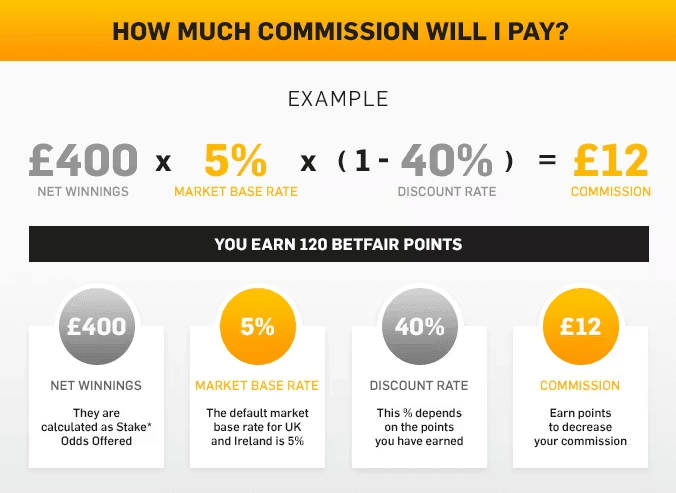
Commission is usually connected to net winnings in a market. This means the displayed return and the final result may not be identical after fees are applied. A reader asking how does Betfair work should therefore treat commission as part of the exchange calculation. It is different from lay liability, because liability is potential exposure before settlement and commission is applied after a winning result. A clear comparison should separate gross return, fee impact and net outcome.
How does Betfair work with cash out and trading
Trading on the exchange means adjusting a position before the market settles. A user may back an outcome at one price and later lay it at another, or do the reverse if market movement allows. The question how does Betfair work often appears when readers see cash out or trading tools and want to know whether they lock in certainty. They do not create guaranteed profit. They depend on current prices, liquidity and timing. Cash out is best explained as another exchange action, not as a separate betting product.
Betfair platform versus bookmaker odds and market control
A Betfair betting exchange gives more control over price, but it also gives the user more responsibility. With a bookmaker, the player usually accepts the available odds. On an exchange, the player can request a price and wait for someone else to match it. This is why how does Betfair exchange work matters for beginners who are used to fixed odds. The exchange can offer more flexibility, but it also introduces commission, liquidity gaps, unmatched bets and lay liability.
What is a betting exchange compared with fixed odds
Fixed odds are normally offered by the bookmaker, while exchange prices are shaped by users in the market. This creates a different reading of value because the player can back, lay or wait for a better price. In this comparison, the question what is a betting exchange becomes easier to answer because the model works through market depth rather than one fixed sportsbook price. The format can feel more transparent, but it is not automatically easier. It asks the reader to understand both the price and the available liquidity behind it.
- Peer-to-peer market: Users take positions against other users.
- Back and lay sides: Outcomes can be supported or opposed.
- Liquidity: Available money affects whether a price can be matched.
- Commission: Net winnings may be reduced by a fee.
- Price movement: Odds can shift as offers appear or disappear.
- Liability: Lay positions require careful exposure checks.
These points explain why exchange betting can feel more flexible than a bookmaker market. They also show why beginners should understand the mechanics before increasing stake size.
Risk, liability and GBP balance basics
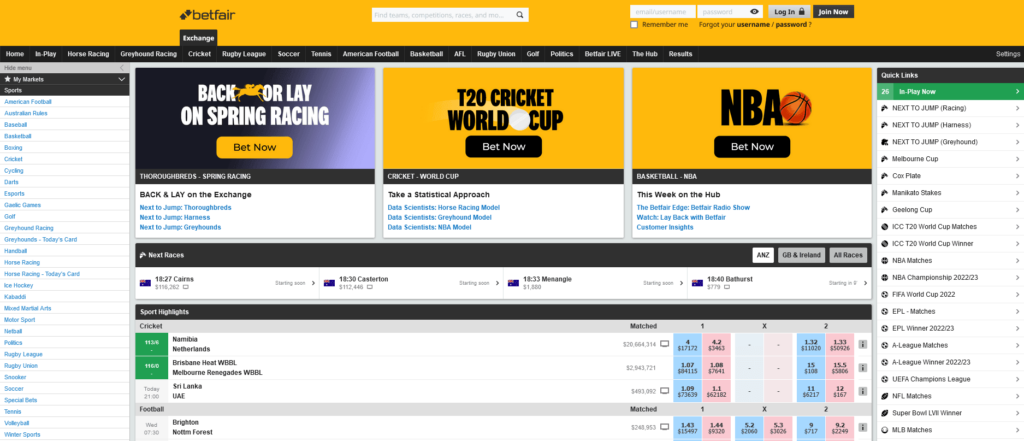
Liability should be understood before the reader focuses on market movement. This is especially important because a lay position can create exposure that is larger than the simple stake figure. For a betfair exchange uk reader, the exchange format should be read together with GBP balance visibility, account verification and payment ownership rules. Responsible gambling tools can also affect deposits, withdrawals and account access. The exchange is easier to understand when risk, balance, matched money and market status are viewed together.
| Pros | Cons |
| Exchange markets allow users to back or lay outcomes, giving more control over price, position and timing than a standard fixed-odds slip. | Commission, liquidity gaps and lay liability can make the format harder for beginners who only know simple bookmaker betting. |
| Market depth can show whether a price has enough available money before the user enters, changes or exits a position. | A position may remain unmatched or partly matched, so the user must check status before assuming the full stake is active. |
| Trading tools can help users adjust exposure before settlement when prices move and enough liquidity remains available. |
FAQ about exchange betting and beginner questions
How can beginners understand the market model?
Beginners can think of it as a place where users take opposite sides of the same outcome. One side supports the result, while the other side accepts the risk against it. The important point is that the price depends on available offers, not only on a fixed operator line.
Why does matching matter before a bet becomes active?
Matching matters because an order is not fully active until another user accepts the opposite side. If only part of the order is accepted, only that part is live in the market. This is why users need to check the status before assuming the full stake is involved.
What does liability mean in simple terms?
Liability is the amount a user may lose when taking the side against an outcome. It can be higher than the visible stake, especially when the price is large. Checking this figure helps prevent a position from becoming more expensive than expected.
Why can prices change so quickly?
Prices change when users add, remove or accept offers in the market. Strong demand on one side can move the available price quickly. Low liquidity can make these movements feel sharper because there is less money available at each price.