Understanding Daylight Saving Time
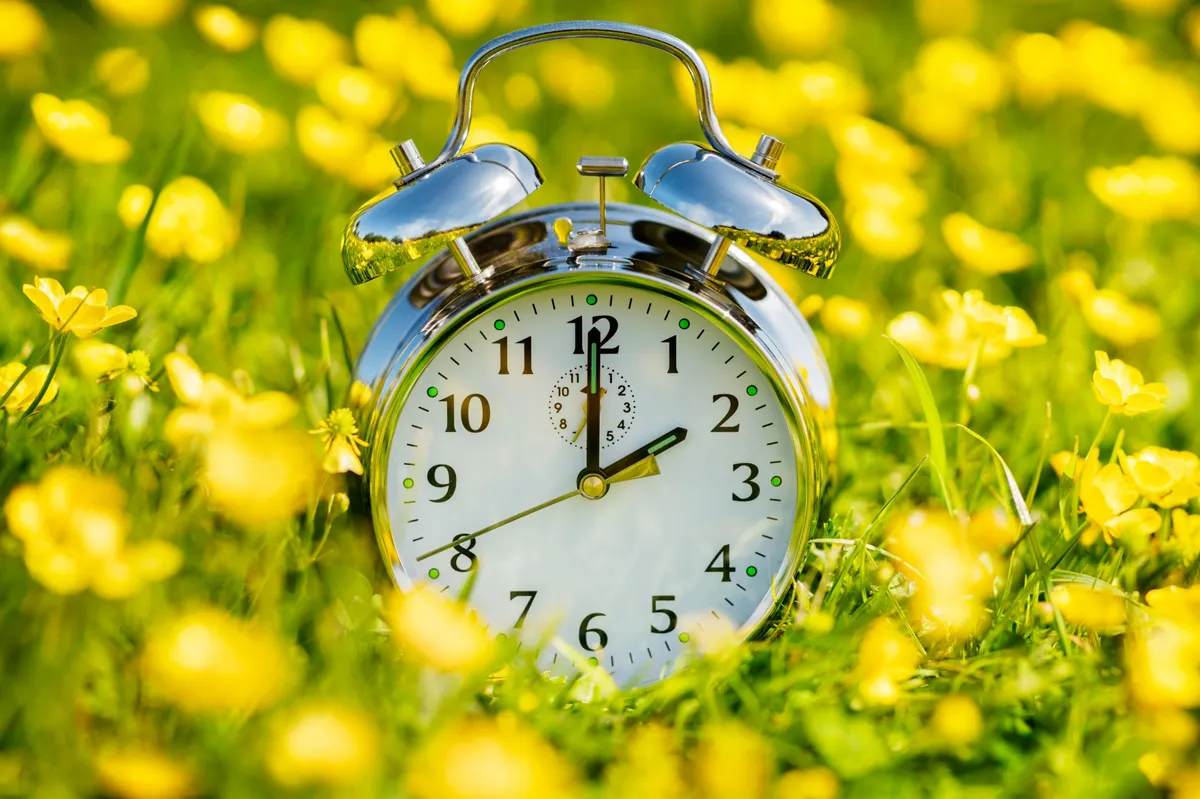
“Most of the U.S. loses an hour Sunday from the changing of the clocks — at 2 a.m. the time jumps ahead to 3 a.m.” This statement encapsulates the experience of millions of Americans as they prepare for the annual shift in time known as Daylight Saving Time (DST). In 2026, this transition will occur on Sunday, March 8, at 2 a.m. local time in most parts of the United States.
The practice of moving clocks forward by one hour has been a part of American life since it was first adopted in 1918 during World War I, primarily as a measure to conserve fuel. Over the years, the practice has evolved, with significant changes occurring in 2007 when the start date was moved to the second Sunday in March. This adjustment was made in hopes of maximizing daylight during the evening hours, thereby reducing energy consumption.
Currently, the majority of the U.S. observes this time change, with the clocks moving forward on the second Sunday of March. However, not all states participate; notably, Hawaii and Arizona do not observe Daylight Saving Time. This exception highlights the varying attitudes towards the time change across the country, with some residents preferring to maintain a consistent schedule throughout the year.
As the clocks spring forward, many Americans will experience a loss of sleep, which can affect their daily routines. The shift can disrupt circadian rhythms, as noted by experts like Karin Johnson, who emphasizes the importance of morning light for regulating these biological processes. “Morning light is what’s really critical for setting our circadian rhythms each day,” she explains, underscoring the potential impact of the time change on health and well-being.
Daylight Saving Time has been a topic of ongoing debate, with some advocating for its permanence. In 2022, the U.S. Senate passed a bill to move to permanent daylight saving time, reflecting a growing sentiment among states. Since 2018, 19 states have adopted laws calling for this change, indicating a significant shift in public opinion regarding the twice-yearly clock adjustments.
Despite these discussions, the historical context of Daylight Saving Time remains relevant. The U.S. has been adjusting its clocks since the late 19th century, when railroads standardized time zones in 1883. This long-standing practice has been intertwined with various social and economic factors, including energy conservation efforts and public health considerations.
As the date approaches for the next time change, many will prepare for the adjustment, knowing that Daylight Saving Time will be in effect for 238 days in 2026. While the debate continues regarding the necessity and effectiveness of this practice, the routine of changing the clocks remains a significant event in the American calendar.
Details remain unconfirmed regarding any future changes to the current system, but for now, the clocks will go forward on March 8, 2026, marking another chapter in the ongoing story of Daylight Saving Time.