Understanding Daylight Saving Time
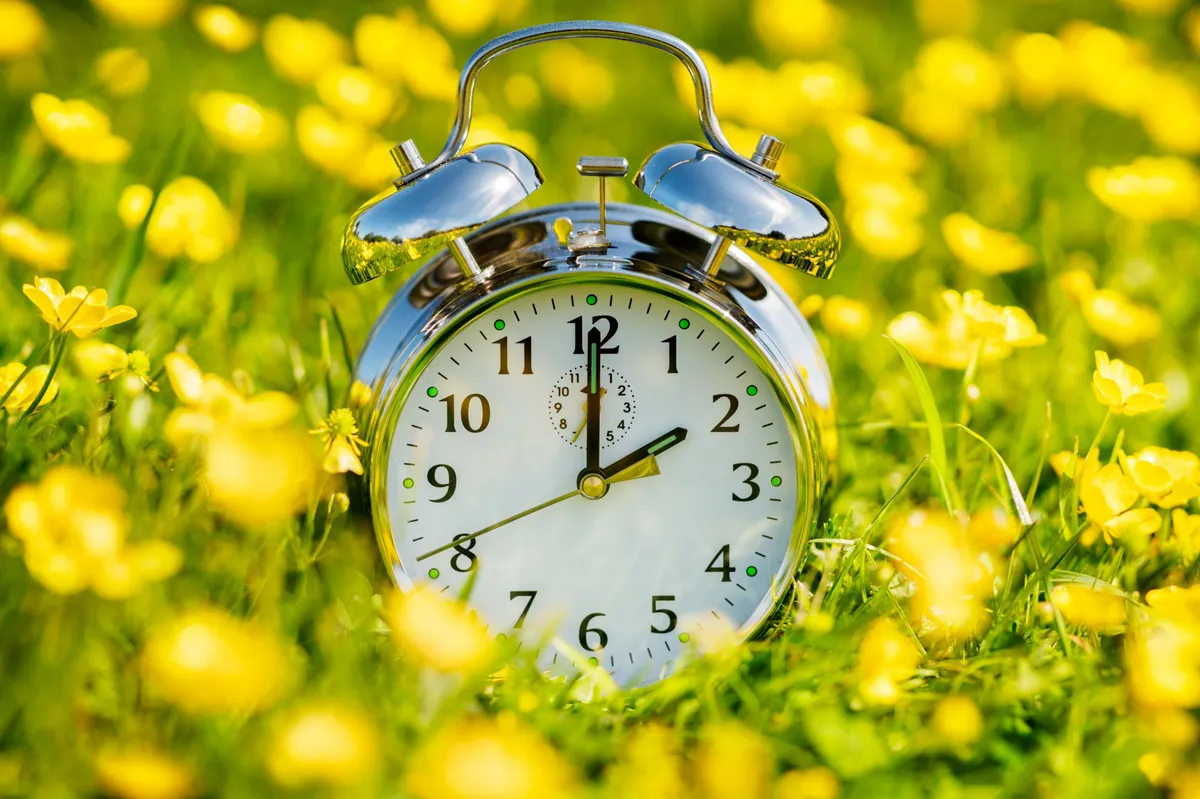
“Most of the U.S. loses an hour Sunday from the changing of the clocks — at 2 a.m. the time jumps ahead to 3 a.m.” This statement encapsulates the annual ritual that many Americans experience as daylight saving time approaches. In 2026, this time change will occur on March 8, marking the beginning of a period when the clocks are set forward by one hour.
Daylight saving time, first adopted in the U.S. in 1918, was originally implemented to conserve fuel during World War I. The practice has evolved over the years, with the current schedule placing the start date on the second Sunday of March. This means that most Americans will lose an hour of sleep as they adjust to the new time.
Current Observations and Impacts
The implications of this time change are significant. As Genie Lauren noted, “The majority of the year we’re in daylight savings time.” In 2026, daylight saving time will be in effect for a total of 238 days. This extended period of altered time can affect daily routines, sleep patterns, and even energy consumption.
Interestingly, the U.S. moved the start date of daylight saving time forward by about a month in 2007. This change was based on findings from the Energy Department, which indicated that electricity consumption fell by 0.03% after the start date was moved up. Such statistics highlight the ongoing debate about the effectiveness and necessity of daylight saving time.
State Variations and Legislative Efforts
Despite its widespread adoption, not all states participate in daylight saving time. Hawaii and Arizona, with the exception of the Navajo Nation, do not observe this time change. This has led to discussions about the potential for a nationwide shift to permanent daylight saving time. In fact, the U.S. Senate passed a bill in 2022 advocating for this change, and 19 states have adopted laws calling for a move to permanent daylight saving time since 2018.
As Jay Pea remarked, “There’s no law we can pass to move the sun to our will.” This statement reflects the complexities and challenges surrounding the concept of time change, as well as the public’s mixed feelings about the practice. While some embrace the longer daylight hours in the evening, others struggle with the disruption to their sleep schedules.
Looking Ahead
As March 8, 2026, approaches, many Americans will prepare for the annual clock adjustment. The transition to daylight saving time serves as a reminder of the ongoing discussions about time management and energy conservation. While the debate continues, the tradition of springing forward remains a significant aspect of American life.
Details remain unconfirmed regarding any further legislative changes or public sentiment shifts leading up to the next daylight saving time change. As society continues to evolve, the conversation surrounding the necessity and efficiency of daylight saving time will likely persist.