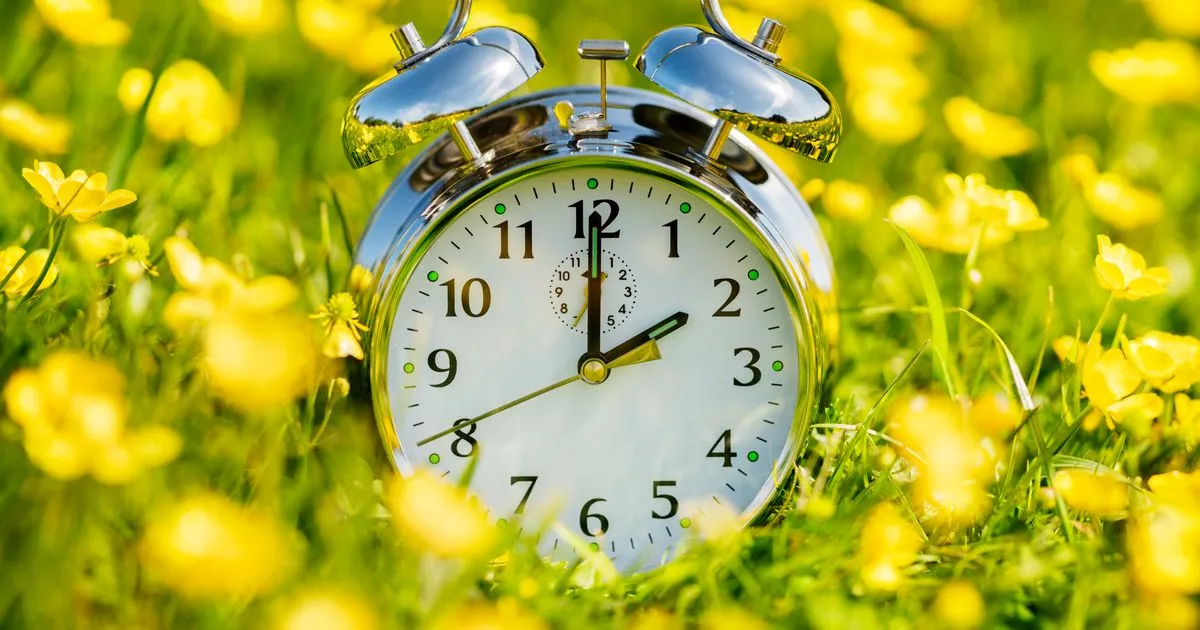
Understanding Daylight Saving Time
Daylight Saving Time (DST) has been a practice in various countries for over a century, aimed at making better use of daylight during the longer days of summer. In the UK, the clocks go forward at 1am on the last Sunday in March, a tradition that has been in place since the country adopted British Summer Time in 1916. This change signifies a shift in daily routines as people adjust to longer evenings and shorter mornings.
However, the timing of this clock change is not uniform across the globe. In the United States, for instance, daylight saving time begins at 2am on the second Sunday in March. This difference in scheduling can lead to confusion, especially for those who travel or communicate across the Atlantic. The US first adopted daylight saving time in 1918, and since then, it has undergone several adjustments, including a significant change in 2007 when the start date was moved forward by about a month.
The Impact of Time Changes
The direct effects of these time changes are felt by various sectors, including transportation, business, and personal schedules. For example, when the clocks go forward in the UK on March 29, 2026, individuals will experience an immediate shift in their daily routines, with more daylight available in the evening hours. This can lead to increased outdoor activities and potentially boost local economies as people take advantage of the longer days.
In contrast, the US will have already adjusted its clocks earlier in March, resulting in a different set of expectations for American citizens. The discrepancy in timing can affect international business operations, travel plans, and even broadcast schedules, as companies and individuals must navigate the differences in time zones and daylight saving practices.
Historical Context and Expert Perspectives
The adoption of daylight saving time has historical roots, with the UK implementing British Summer Time during World War I as a measure to conserve fuel. Since then, the practice has evolved, with the EU adopting the last Sunday in March as the date for clocks to go forward in 1996. This historical context highlights the ongoing debate about the efficacy and necessity of daylight saving time, with some experts advocating for its elimination due to the disruption it causes to sleep patterns and daily life.
Despite the controversies surrounding daylight saving time, many people have adapted to the changes over the years. The anticipation of longer evenings in spring and summer is often met with enthusiasm, as it allows for more leisure time after work. However, the adjustment period can also lead to temporary disruptions in sleep and productivity, as individuals recalibrate their internal clocks.
As the UK prepares for the next clock change on March 29, 2026, it is essential to recognize the broader implications of these time shifts. With 238 days of daylight saving time in effect in the US, the differences in timing can serve as a reminder of the complexities of global timekeeping. Understanding when the clocks go forward is not just about adjusting schedules; it reflects a deeper interplay between culture, history, and modern life.
In summary, while the UK and US have different dates for when daylight saving time begins, the impact of these changes resonates across various aspects of life. As society continues to navigate the implications of time changes, the question of when does the clocks go forward remains a relevant topic for many.