International Women’s Day Overview
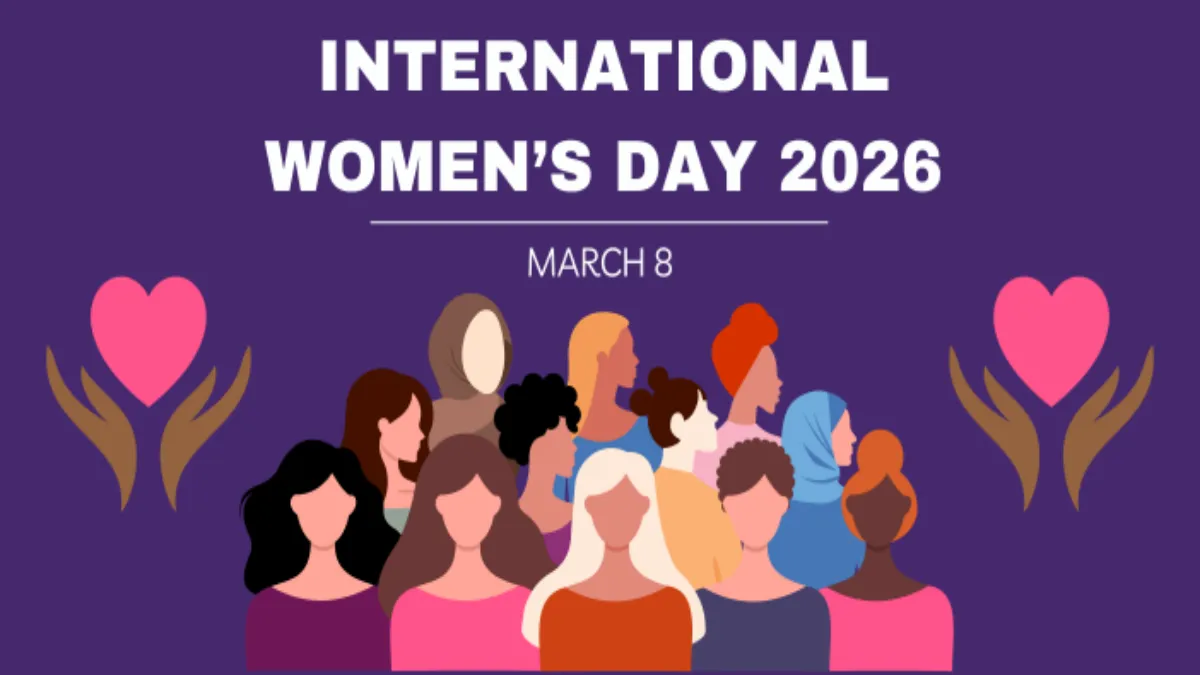
International Women’s Day is celebrated every year on March 8, serving as a global platform to recognize the achievements of women while also highlighting the ongoing challenges they face. The theme for International Women’s Day 2026 is #GiveToGain, which aims to inspire action towards gender equality and empowerment.
The roots of International Women’s Day can be traced back to the early 20th century, a time when women were actively campaigning for better working conditions, voting rights, and equal pay. The first National Women’s Day was celebrated in the United States on February 28, 1909, and the idea for an international observance was proposed by Clara Zetkin in 1910. The first official International Women’s Day took place in 1911, and since 1975, it has been sponsored by the United Nations.
Current Statistics and Figures
As of 2024, only 14% of small and medium-sized enterprises (SMEs) in the UK were female-led, indicating a significant gender disparity in leadership roles. Furthermore, the median gender pay gap for full-time employees in the UK was reported at 6.9% in 2025, while the overall gender pay gap, including both full and part-time employees, stood at 12.8%. These figures underscore the ongoing challenges women face in achieving equal pay and representation in the workforce.
Progress in Corporate Leadership
In the corporate sector, there have been notable advancements. FORVIA, a leading company in the automotive industry, reported that women represent more than 28% of the Top 300 leadership positions, a significant increase from 13% in 2018. The company aims to reach 30% women in the Top 300 by 2030 and 38% among external hires by 2026. This commitment reflects a growing recognition of the importance of gender diversity in leadership.
Voices on Gender Equality
Leaders in various sectors emphasize the importance of International Women’s Day as a catalyst for change. FORVIA stated, “International Women’s Day is both a moment of recognition and a reminder of shared responsibility.” Judit Mora, a prominent advocate for gender equality, noted, “We approach IWD as a prompt for action and conversation rather than a one-day celebration,” highlighting the need for continuous dialogue and efforts beyond just one day of recognition.
Challenges of Discrimination
Despite progress, challenges remain. In 2025, 15% of women reported feeling discriminated against due to their gender, compared to 8.5% of men. This disparity illustrates the need for ongoing efforts to combat gender discrimination in various spheres of life, including the workplace. Julaine Speight emphasized the importance of mentorship and developing both technical and soft skills, stating, “Confidence, communication, and belief in your own value are just as critical to long-term success.”
Looking Ahead
As International Women’s Day approaches in 2026, observers expect continued discussions around gender equality and the implementation of strategies to address existing disparities. The commitment from organizations like FORVIA to increase female representation in leadership roles is a positive sign, but the journey toward true equality is ongoing. Details remain unconfirmed regarding the broader impact of these initiatives, but the focus on women’s empowerment remains a critical conversation in today’s society.