What does the recent recall of Alex Belfield to prison signify for the community and those affected by his actions? The answer is clear: it underscores the seriousness with which the legal system treats breaches of trust and safety. Belfield, who was previously jailed for five years and 26 weeks in September 2022 for stalking and causing alarm to four individuals, was released from HMP Fosse Way on June 12, 2025, only to find himself back behind bars in February 2026 for violating his license conditions.
In a troubling pattern, Belfield had targeted two BBC presenters, Jeremy Vine and Philip Dehany, along with a videographer and a theatre blogger. His actions led to convictions for ‘simple stalking’, and he now faces indefinite restraining orders related to his four victims as well as four women he was acquitted of stalking. This ongoing saga has not only affected the victims but has also raised questions about the effectiveness of the probation system.
As a spokesperson for the Probation Service stated, “As this case shows, we do not hesitate to send offenders back to prison if they break the rules.” This statement reflects a commitment to public safety, especially in cases involving stalking and harassment. Belfield’s history of troubling behavior has made him a controversial figure, with Jeremy Vine describing him as “the Jimmy Savile of trolling,” highlighting the severity of his actions and their impact on his victims.
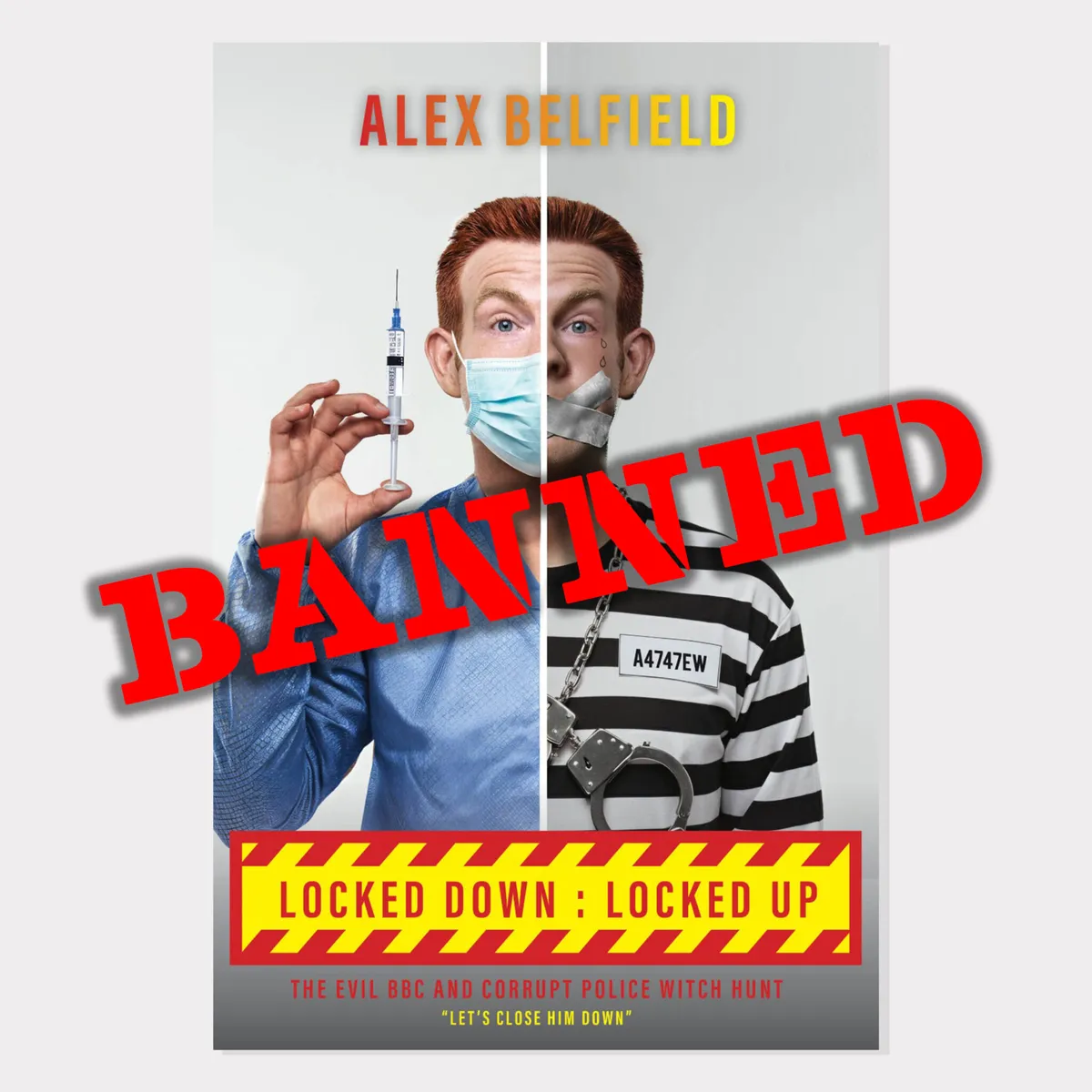
In addition to his legal troubles, Belfield’s online presence remains significant, with his YouTube channel boasting 345,000 subscribers. However, his planned UK tour was blocked by the Probation Service due to concerns over potential breaches of his license conditions. This has led to a growing dialogue about the responsibilities of public figures and the consequences of their actions.
As the legal proceedings continue, Philip Dehany is pursuing a High Court claim for damages against Belfield, with a hearing scheduled for April 29, 2026. The potential damages claim could amount to £45,000, further complicating Belfield’s already precarious situation. The outcome of this hearing may provide additional context on the ramifications of his actions and the legal system’s response.
Details remain unconfirmed regarding the full extent of the legal ramifications Belfield may face, but the community watches closely as this case unfolds. The implications of his actions extend beyond the courtroom, affecting public perception and the safety of individuals who have been targeted by similar harassment.
As we look forward, the question remains: what will be the long-term impact of Alex Belfield’s actions on his victims and the broader community? The upcoming court hearings and ongoing legal battles will likely shape the narrative surrounding this case, as well as influence discussions about stalking and harassment in today’s society.