England’s World Cup Performance
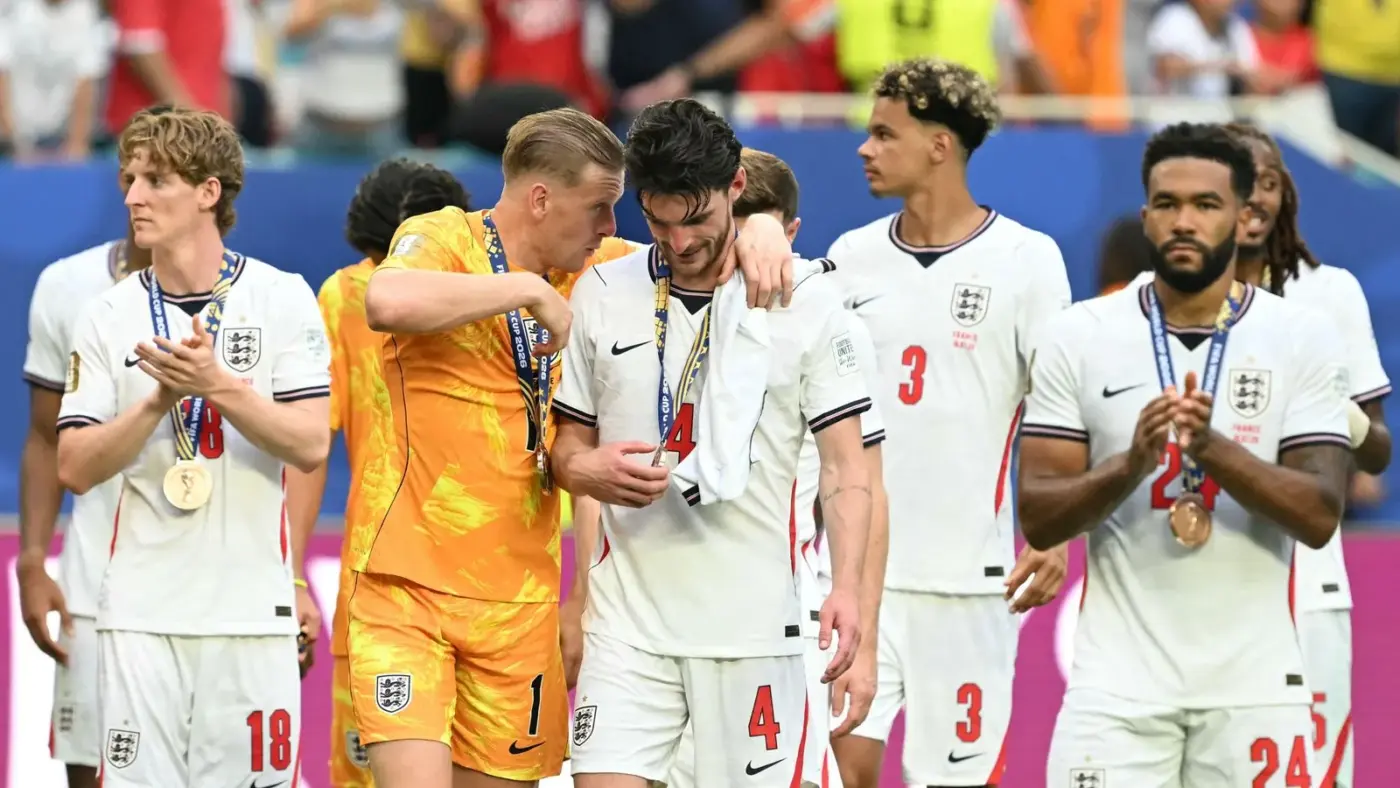
England concluded their World Cup campaign with a third-place finish, securing a bronze medal. This achievement marks the team’s best performance in a World Cup since the 1966 World Cup. The squad, managed by Thomas Tuchel, earned a bronze medal following a victory in the play-off match against France.
Despite the bronze medal, the team’s journey included a semi-final exit after leading against Argentina with five minutes remaining in normal time, only to concede twice to the holders. The tournament saw a mix of performances from the England players, with some individuals standing out while others faced challenges.
Several players delivered notable performances throughout the competition. Jude Bellingham was highlighted as a key player, demonstrating leadership and goal-scoring ability. Declan Rice also contributed significantly, particularly with his efforts in tackles, ball recoveries, and forward drives, despite not being at full fitness. His absence due to illness in a match against Norway underscored his importance to the midfield.
Player Contributions and Key Moments
Among the goalkeepers, Jordan Pickford had a mixed tournament, with strong outings against Mexico and Argentina, though he faced criticism for goals conceded in other matches. Dean Henderson, who featured after the semi-final loss, made some decent saves in the third-place play-off.
In defence, Ezri Konsa was an England player to start every game before the semi-final, showing promising signs despite appearing to tire in the quarter-finals. His defensive partnership with Marc Guehi, who had a solid and understated tournament, was noted. Nico O’Reilly, in his first major tournament, delivered a steady performance without significant errors, indicating promising future potential.
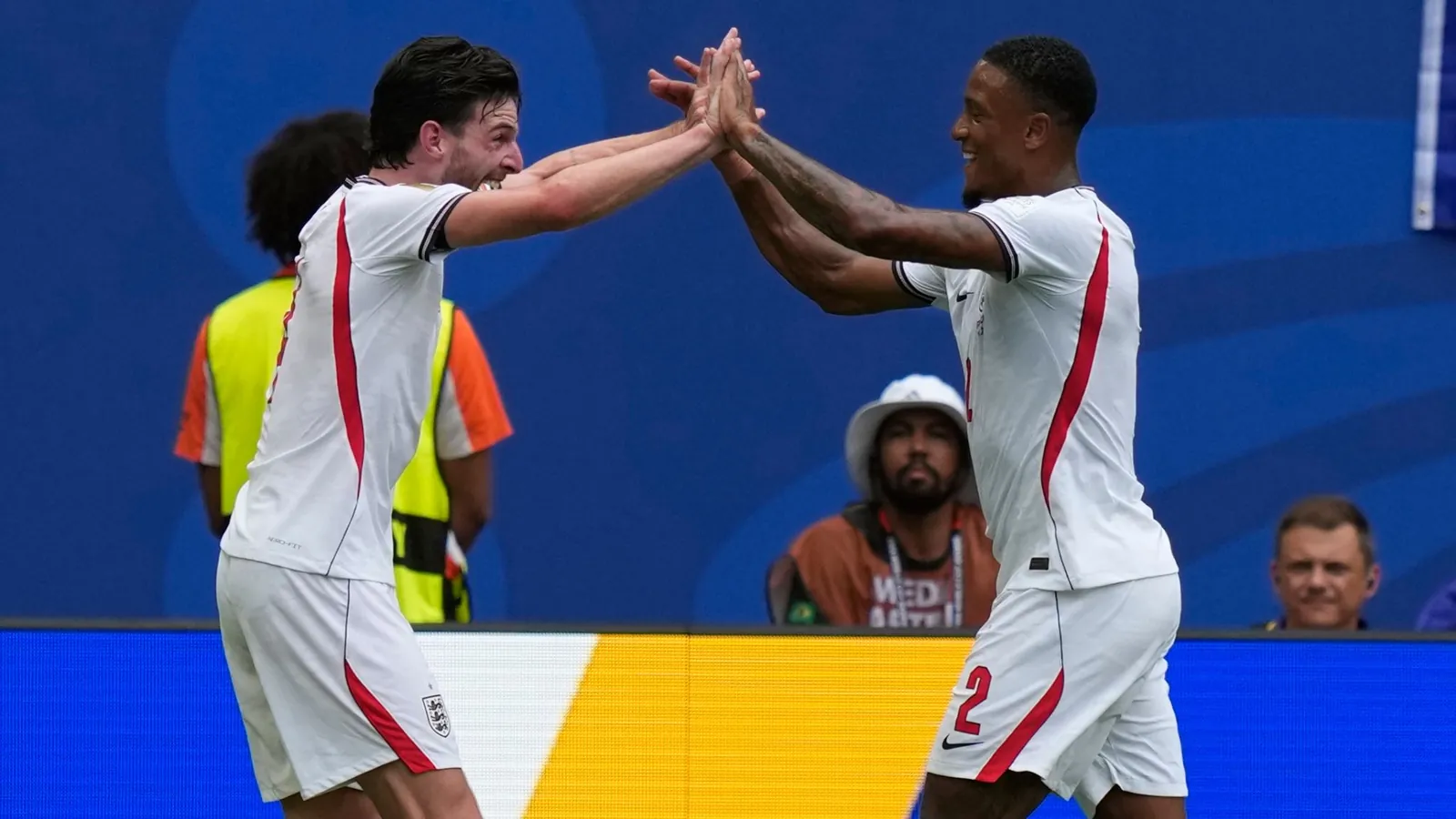
John Stones, despite not having a club, demonstrated his capability, notably in a crucial block against Mexico and effectively neutralising Erling Haaland against Norway. Dan Burn emerged as a cult hero, contributing with key headers in matches against Mexico and Norway.
Midfield and attacking players also had varying impacts. Bukayo Saka, despite fitness concerns, provided three assists early in the tournament. Elliot Anderson, who became a significant transfer during the tournament, showed flashes of promise, particularly with his high pressing. Harry Kane, the captain, was a strong goalscorer but was noted for being less impactful in crucial games against Norway and Argentina.
Anthony Gordon made a strong impression in the knockout rounds, winning a penalty against Mexico and scoring in the semi-final against Argentina. Morgan Rogers provided an assist for Anthony Gordon in the semi-final and contributed to Jude Bellingham’s winning goal against Norway. However, he was considered to have been outperformed by Bellingham in their positional battle.
Challenges and Future Outlook
Some players faced challenges or had limited opportunities. Marcus Rashford started well with a goal against Croatia but did not consistently seize his chances. Ollie Watkins and Noni Madueke had limited impact despite making the squad. Ivan Toney, selected as a penalty expert, had few chances to prove his role.
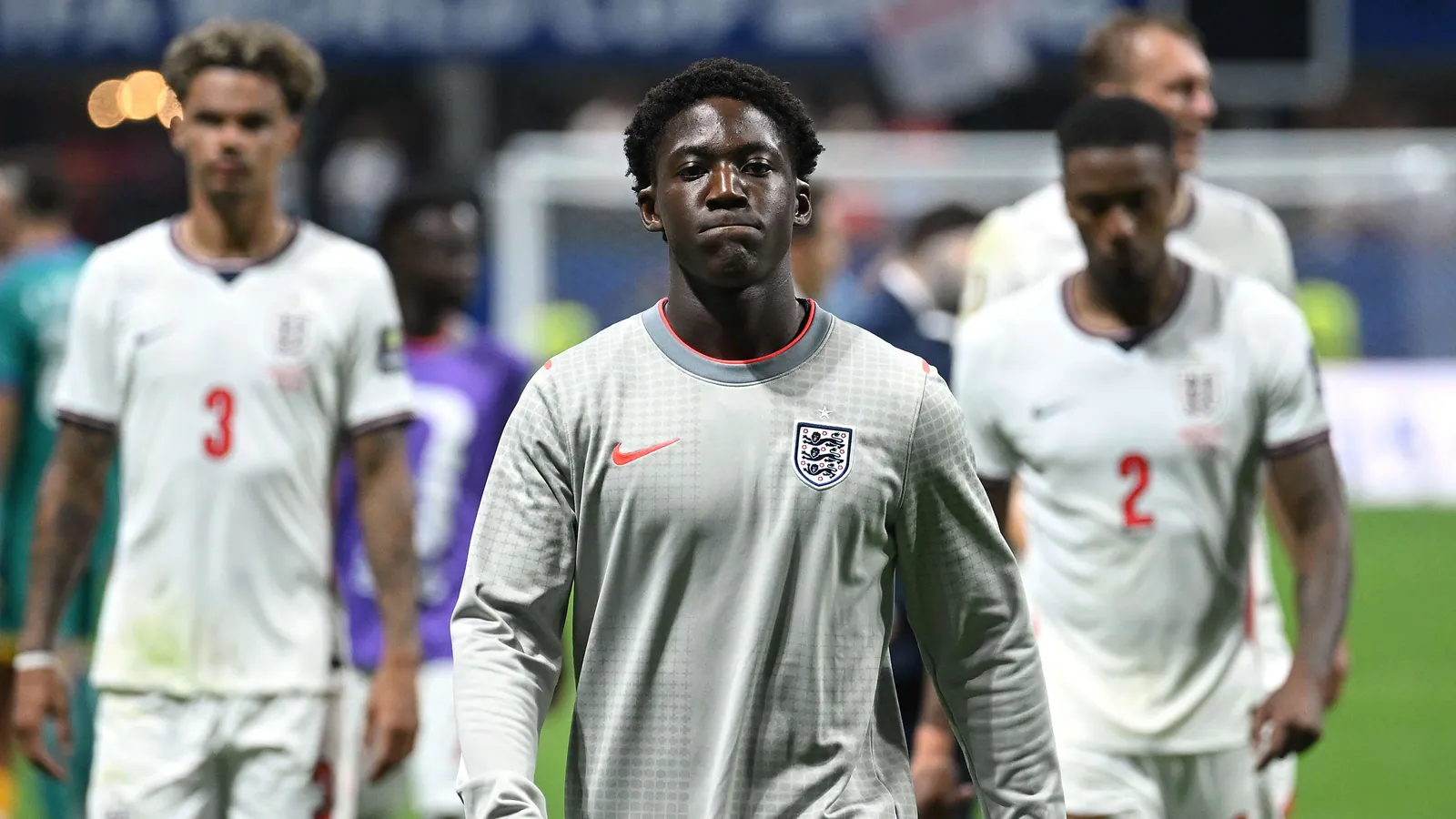
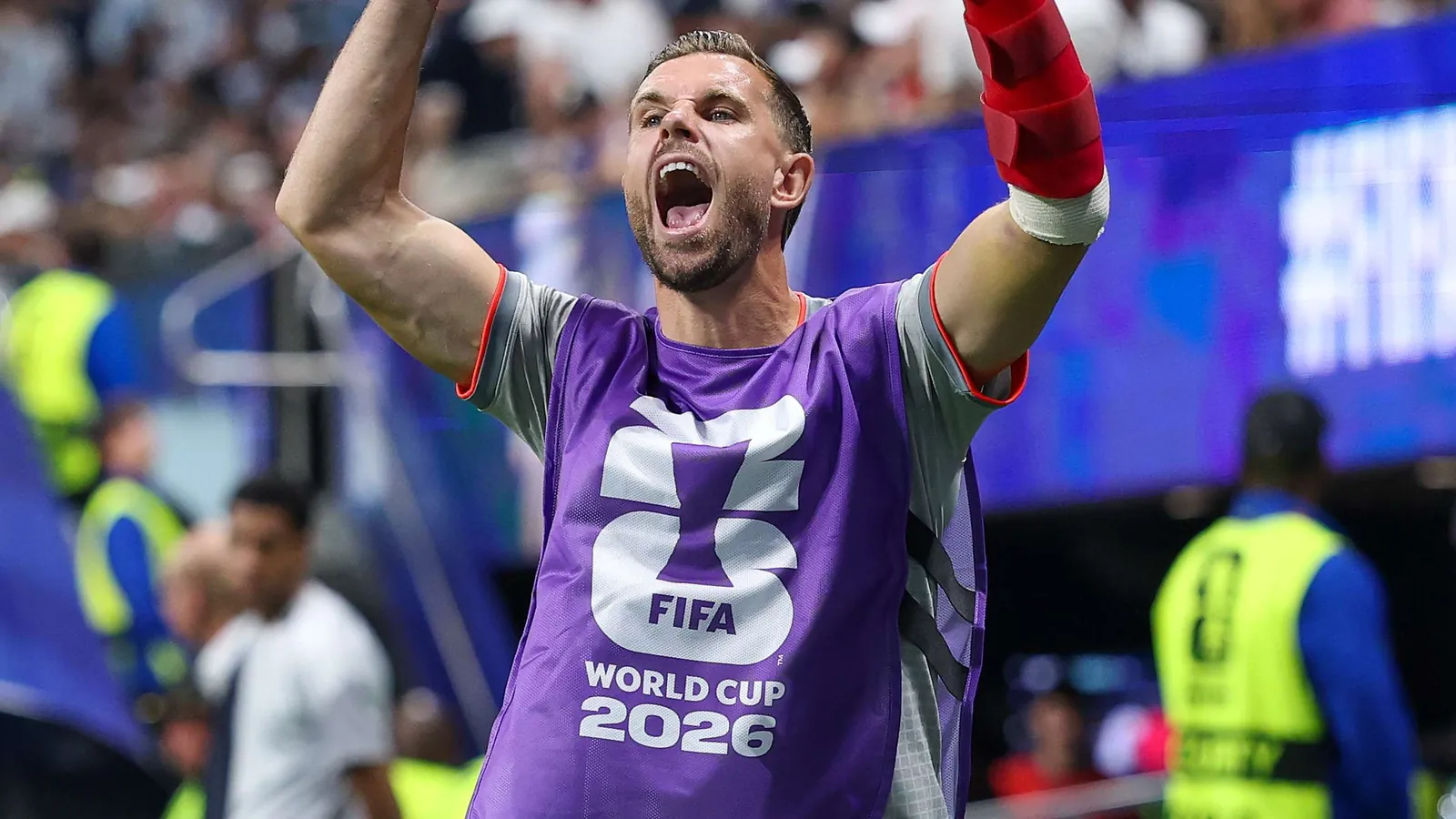
Injuries also played a part, with Reece James experiencing a predictable injury during the tournament. Kobbie Mainoo, despite midfield struggles and Declan Rice’s fitness issues, was not utilised. Jordan Henderson had a brief appearance.
The tournament provided Thomas Tuchel with the opportunity to assess a diverse squad, which was selected to fit a specific style of play. The team’s performance, while securing a bronze medal, has prompted discussions about individual player contributions and overall team strategy as they look towards future competitions.
Read Also
Source: goal.com