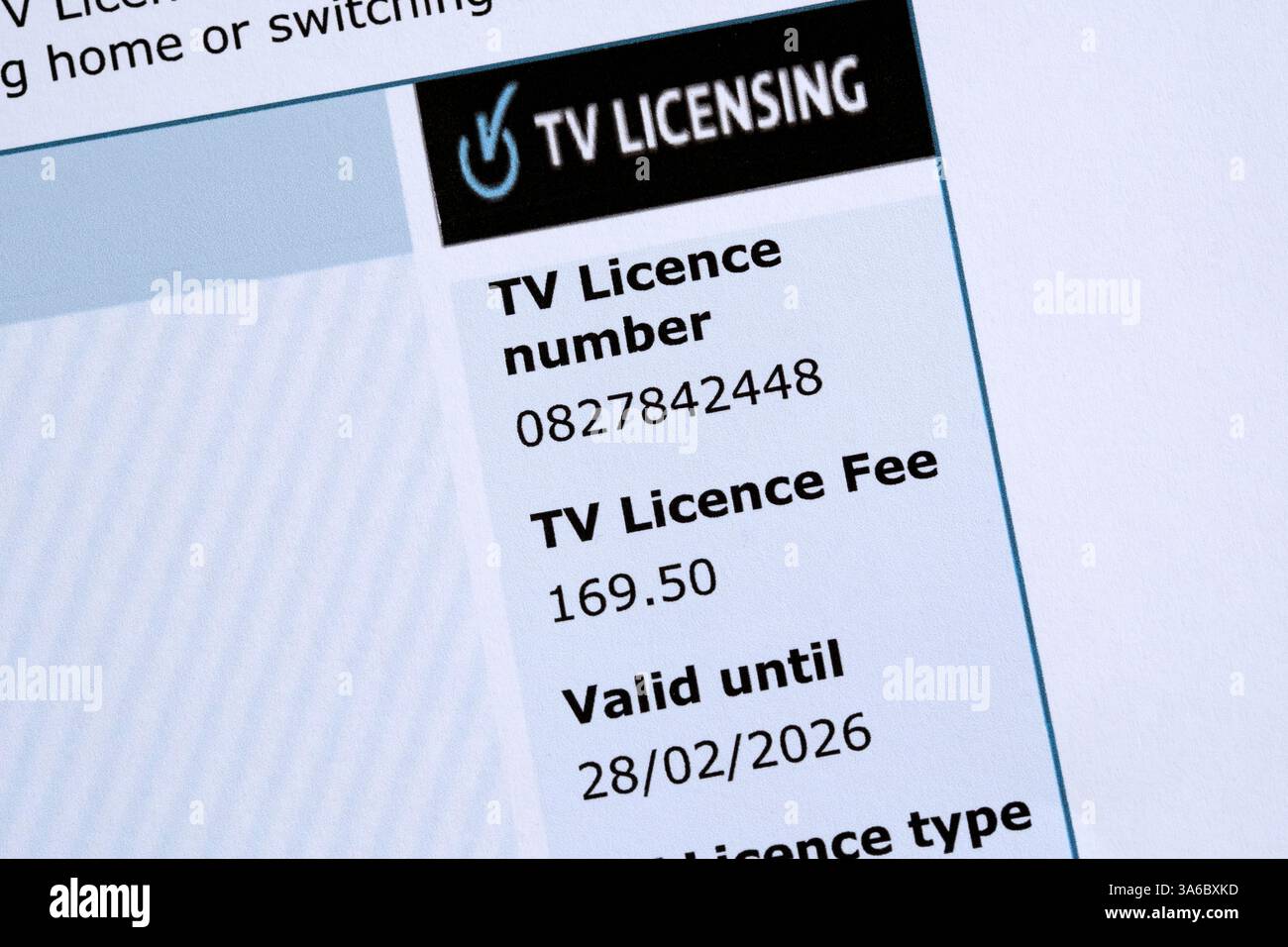
Introduction to TV Licence
The TV licence in the United Kingdom is a legal requirement for anyone watching live broadcasts or using the BBC iPlayer. It plays a crucial role in funding public service broadcasting, particularly the operations of the BBC. In an era of rapidly changing media consumption habits and growing debate over public funding, understanding the TV licence’s importance, costs, and regulations is essential for all UK residents.
Current Regulations and Costs
As of October 2023, the cost of a TV licence in the UK remains at £159 for a colour licence and £53.50 for a black and white licence. It is mandatory for households that watch live television or use the BBC’s on-demand services. Failure to obtain a licence can result in a fine of up to £1,000. The enforcement of these regulations has seen increased scrutiny amid the rise of streaming platforms that offer alternative entertainment options.
Recent Developments
Recent discussions have revolved around the future of the TV licence and its funding model. With an increasing number of viewers opting for subscription-based services like Netflix and Amazon Prime Video, the traditional model of the BBC’s funding through licence fees is being questioned. One major debate is whether the BBC should transition to a subscription service, given the declining number of people willing to pay for a TV licence. In response, the BBC has initiated consultations to address concerns about its funding.
Public Opinion and Reactions
A recent survey highlighted that over 30% of respondents believe the TV licence fee should be abolished, while nearly 20% are in favour of maintaining it and reforming the funding model. Public sentiment is increasingly shifting towards a more flexible funding structure, reflecting how media consumption continues to evolve in the digital age.
Conclusion: The Future of TV Licence
The TV licence serves a critical role in supporting public broadcasting in the UK. However, as consumers increasingly turn to non-traditional media sources, the current funding model faces significant challenges. The BBC and policymakers are at a crossroads, needing to balance public good with changing consumer habits. As the debate unfolds, it is crucial for UK residents to stay informed about the implications of the TV licence and what it might mean for the future of public broadcasting.