Introduction
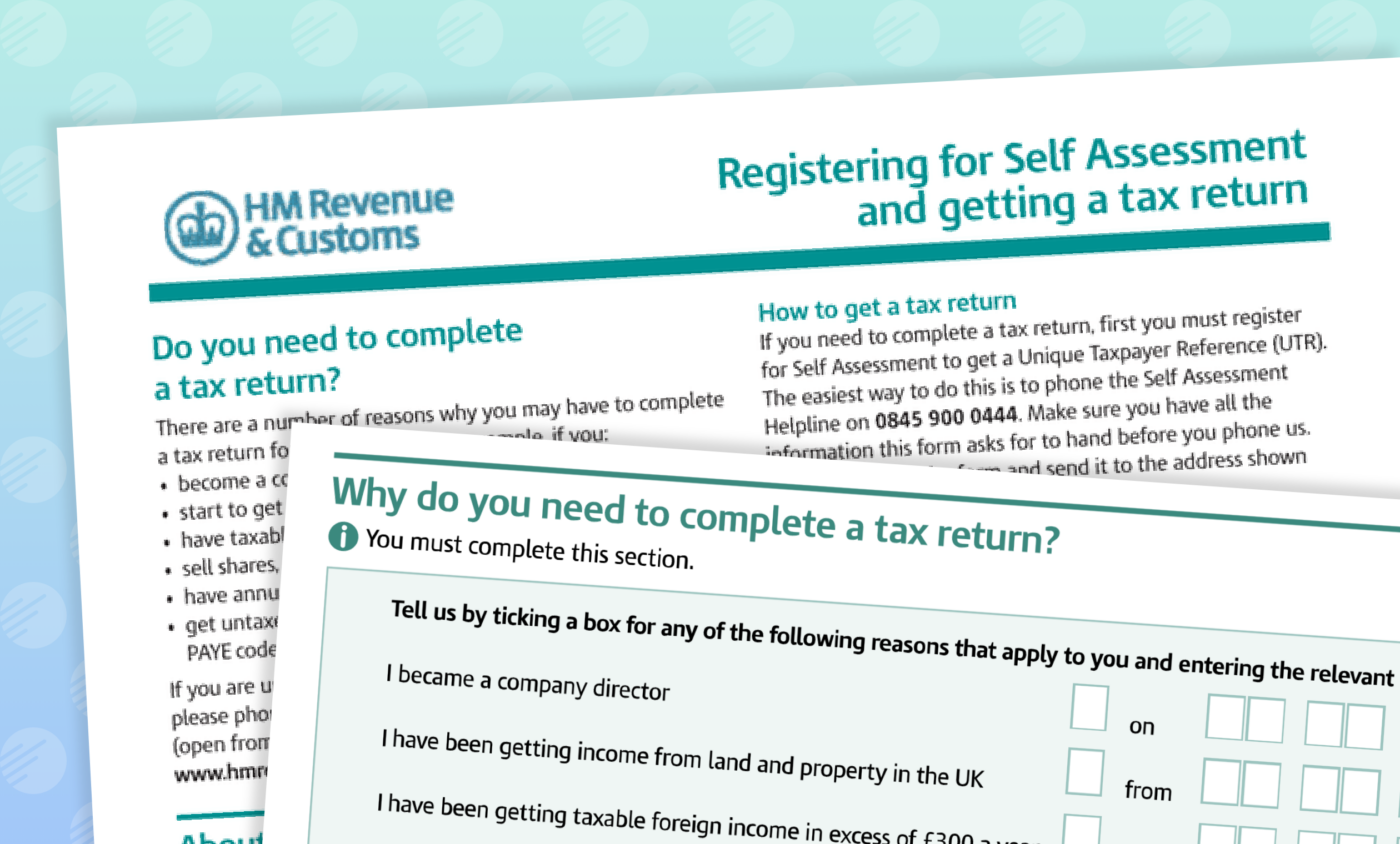
The Her Majesty’s Revenue and Customs (HMRC) is a vital institution within the United Kingdom, responsible for the collection of taxes, the payment of certain welfare benefits, and overseeing the minimum wage. As businesses and individuals navigate increasingly complex tax regulations, understanding HMRC’s functions and the recent updates is more important than ever.
HMRC’s Role and Responsibilities
HMRC was established in 2005, succeeding the Inland Revenue and HM Customs and Excise. Its primary functions include managing the collection of income tax, corporation tax, and value-added tax (VAT). It also plays a critical role in combating tax evasion and fraud while ensuring compliance with tax laws.
Recently, HMRC has been focusing on digitising its services to improve efficiency, enhance user experience, and respond better to the needs of taxpayers. One significant initiative has been the introduction of Making Tax Digital (MTD), which aims to streamline the tax reporting process through digital tools.
Current Updates and Events
As of 2023, HMRC is facing several significant challenges. With the ongoing impact of the COVID-19 pandemic, the agency has been responsible for overseeing various support schemes, such as the Coronavirus Job Retention Scheme, aimed at assisting affected businesses. Although these schemes have ended, HMRC continues to review tax compliance and investigate claims made during this period.
In July 2023, HMRC announced enhancements to its online services, permitting users to access their tax records conveniently. These changes are part of the broader digital transformation strategy and aim to reduce administrative burdens on taxpayers, enabling them to submit returns with greater accuracy.
Moreover, with the increase in new digital currencies, HMRC is also stepping up its efforts to regulate crypto transactions. It has outlined guidelines requiring individuals and businesses dealing with cryptocurrencies to register for tax purposes to ensure transparency and compliance.
Conclusion
Understanding HMRC and staying informed about its regulations and updates is crucial for taxpayers and businesses across the UK. The ongoing digital transformation within HMRC signifies a shift towards more efficient tax management, while its focus on compliance helps ensure a fair tax system.
Looking ahead, taxpayers should keep an eye on HMRC’s future developments, particularly in relation to the digital economy and compliance measures. As the landscape of taxation evolves, remaining informed will benefit both individuals and businesses, ultimately leading to a more transparent and efficient tax administration.