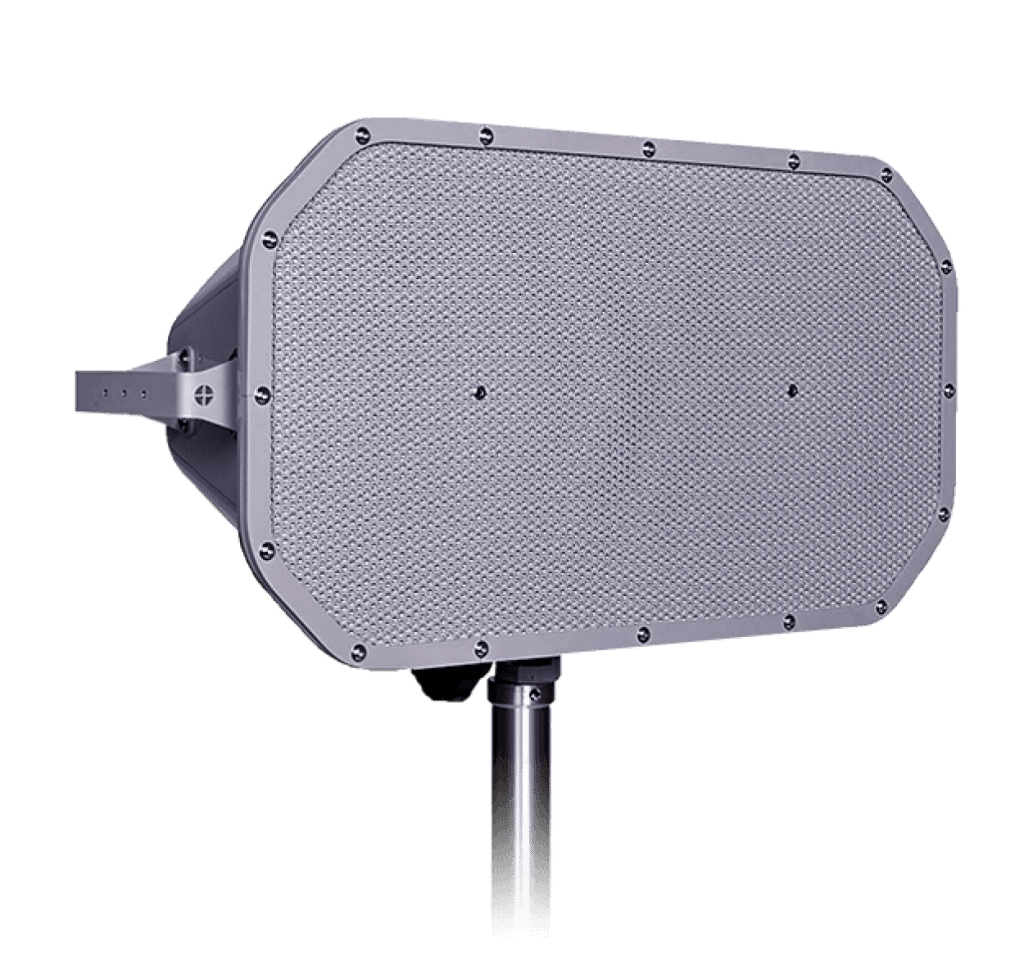
Introduction to LRAD
Long Range Acoustic Devices (LRADs) have gained significant attention in recent years, especially in the contexts of public safety, military applications, and crowd control. These devices are designed to project sound over long distances, allowing for clear communication or deterrence in various situations. As incidents of civil unrest and escalating tensions arise globally, the discussion around the deployment of LRADs becomes increasingly relevant.
What is LRAD?
The LRAD is a non-lethal acoustic device developed initially for marine communication and military use. It operates by emitting focused, high-decibel sound waves that can be heard from distances exceeding a mile. LRADs can be used for a variety of purposes, including warning hostiles, dispersing crowds, or providing clarity in emergency communications, making them an essential tool for law enforcement and military operations.
Recent Uses and Controversies
In recent years, the use of LRADs has surged in law enforcement for crowd management. High-profile events such as protests have seen LRADs deployed to communicate important messages to large groups. For instance, during the George Floyd protests in 2020, LRADs were used to direct crowds, warn of impending arrests, and deploy dispersal orders. However, their use has drawn criticism from various human rights advocates who argue that the delivery of high-pressure sound can cause physical harm or distress to individuals exposed to it for prolonged periods. Studies have shown that exposure to excessive sound levels can lead to hearing loss and psychological stress, prompting calls for stricter regulations on their use.
Implications for the Future
Looking forward, the implications of LRAD technology are significant. As police forces and military organisations seek to manage heightened tensions in urban areas, the continued reliance on LRADs may become a norm. There is an ongoing dialogue surrounding the ethical implications and regulations necessary to ensure that while safety is prioritized, the civil rights of individuals are also respected. Future developments in LRAD technology may focus on refining the clarity of sound communication while reducing potential harm to individuals. Researchers and policymakers are urged to consider balanced approaches that uphold public safety without compromising individual rights.
Conclusion
LRAD technology exemplifies the intersection of safety, communication, and ethical considerations in modern society. As law enforcement and military agencies adapt to emerging challenges, understanding the full range of implications this technology presents will be crucial for stakeholders involved in public safety, community relations, and civil rights advocacy. Ensuring responsible use of LRADs will not only enhance security measures but also help maintain public trust in law enforcement agencies.