Introduction
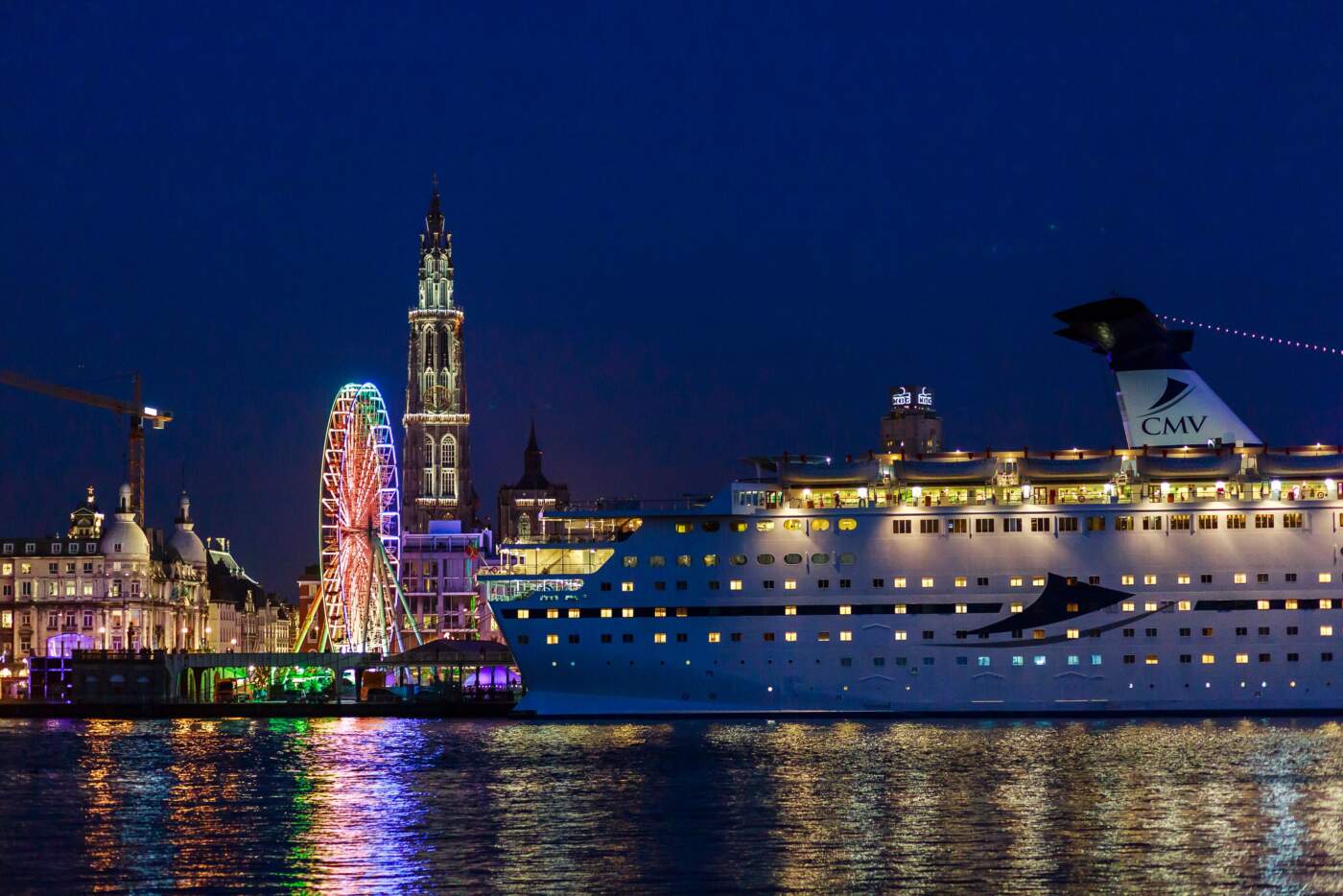
Antwerp, a vibrant city located in Belgium, is one of the country’s most important cultural and economic centres. Known for its historical significance, artistic heritage, and as the world’s diamond trading capital, Antwerp plays a crucial role in the cultural and economic landscape of Europe. Its rich history and dynamic modernity make it an attractive destination for tourists, history buffs, and business professionals alike.
Historical Significance
Dating back to the Middle Ages, Antwerp quickly developed as a major port city due to its strategic location along the River Scheldt. The city rose to prominence in the 16th century, becoming a key trading hub during the Renaissance. Various architectural styles, particularly Gothic and Baroque, can be witnessed across the city, with iconic landmarks such as the Cathedral of Our Lady and the Antwerp Central Station showcasing its rich heritage.
Art and Culture
Antwerp has long been associated with renowned artists, most famously the Baroque painter Peter Paul Rubens, whose former home is now a museum. The city’s cultural offerings include a variety of art galleries, theatres, and music venues. Events such as the Antwerp Pride and the Fashion Festival attract visitors and celebrate the city’s creativity. Furthermore, Antwerp is known for its fashion scene, being home to the Royal Academy of Fine Arts and the famous Antwerp Six, a group of influential fashion designers from the 1980s.
The Diamond District
Antwerp’s significance in the global diamond trade cannot be overstated. The city’s Diamond District is home to over 1,500 diamond companies and handle around 80% of the world’s rough diamonds. This vibrant sector not only bolsters the local economy but also attracts international investors and diamond enthusiasts seeking high-quality gems.
Current Events and Future Prospects
In recent years, Antwerp has been actively working on sustainability initiatives, aiming to reduce its environmental footprint while maintaining economic growth. Urban development projects, including the revitalisation of its waterfront, promise to enhance the quality of life for residents and tourists alike. As cities worldwide grapple with climate challenges, Antwerp’s proactive approach may serve as a model for others.
Conclusion
In conclusion, Antwerp embodies a remarkable blend of history, culture, and economic vitality. Known for its art, fashion, and global diamond trade, it continues to attract visitors and investors from around the world. As it moves forward with plans for sustainable development, Antwerp is poised to maintain its status as a cultural gem in Europe, promising a bright future for its residents and businesses alike.