What the data shows
The upcoming Artemis II launch raises an exciting question: What does it mean for humanity’s return to the Moon? Scheduled for January 17, 2026, this mission will send four astronauts on a journey around the Moon, marking the first time in 50 years that humans will orbit our celestial neighbor.
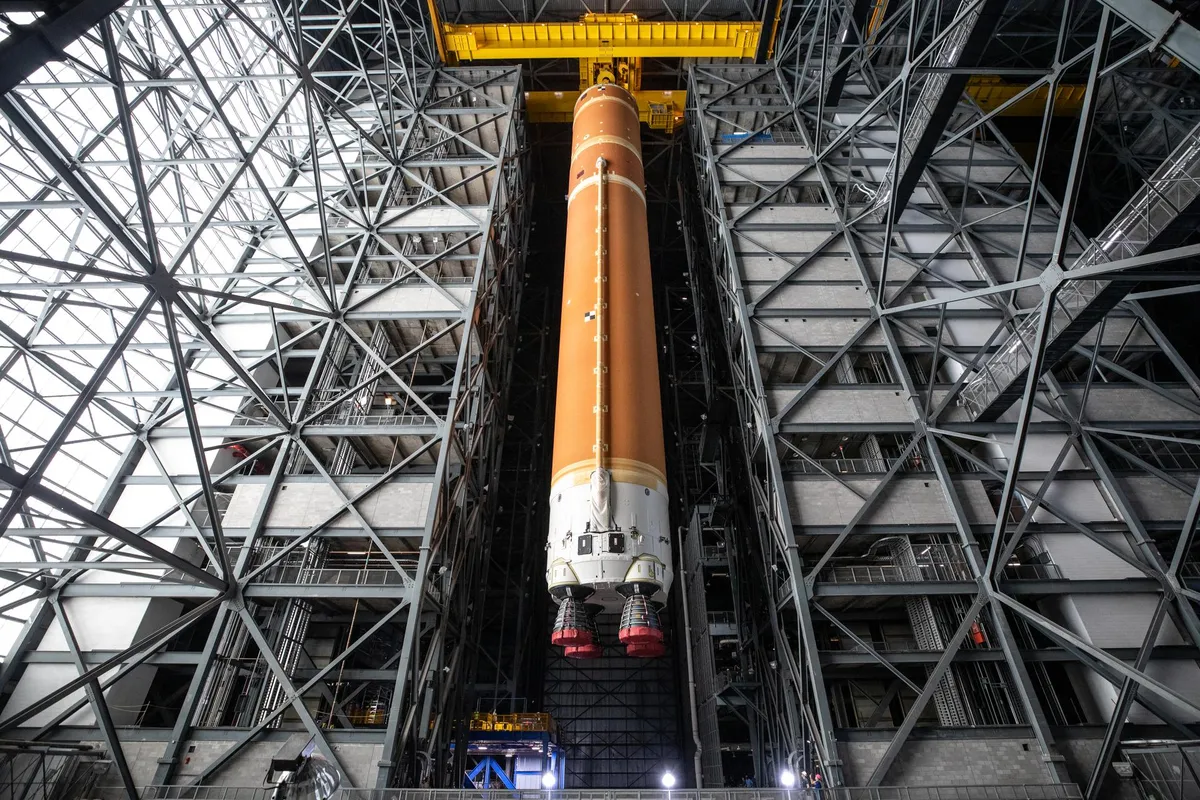
The Artemis II mission, part of NASA’s ambitious Artemis program, will utilize the Space Launch System (SLS) rocket and the Orion spacecraft. Over the course of ten days, the crew will circle the Moon, conducting vital tests and gathering data that will pave the way for future lunar exploration and eventual human missions to Mars.
Leading this historic mission are four astronauts: Reid Wiseman, Victor Glover, Christina Koch, and Jeremy Hansen. Their journey will not only be a significant milestone for NASA but also a moment of pride for the global community, as it showcases international collaboration in space exploration.
Preparations for the launch are already underway, with the launch countdown expected to begin about two days prior to liftoff. This countdown includes critical ‘L Minus’ and ‘T Minus’ times, during which the launch team will conduct a series of checks and preparations to ensure everything is ready for a successful mission.
Scott Pace, a prominent figure in space policy, remarked, “We’re about to send humans in orbit around the Moon again.” His words capture the excitement and anticipation surrounding the Artemis II mission. The performance of the solid rocket boosters during launch will be a key focus, as they are crucial for the mission’s success.
NASA has not sent astronauts to the Moon since the 1970s, making this upcoming launch a significant step in rekindling humanity’s presence in lunar exploration. The Artemis program aims to establish a sustainable human presence on the Moon, which is essential for future missions to Mars and beyond.
As the countdown to the Artemis II launch approaches, the community is buzzing with excitement and curiosity about what lies ahead. While the mission promises to be groundbreaking, details remain unconfirmed about the specific scientific objectives the crew will undertake during their journey.
In the coming months, more information will be released as NASA finalizes preparations for this historic mission. The Artemis II launch is not just a step back to the Moon; it is a leap forward in our quest to explore the cosmos and understand our place in it.