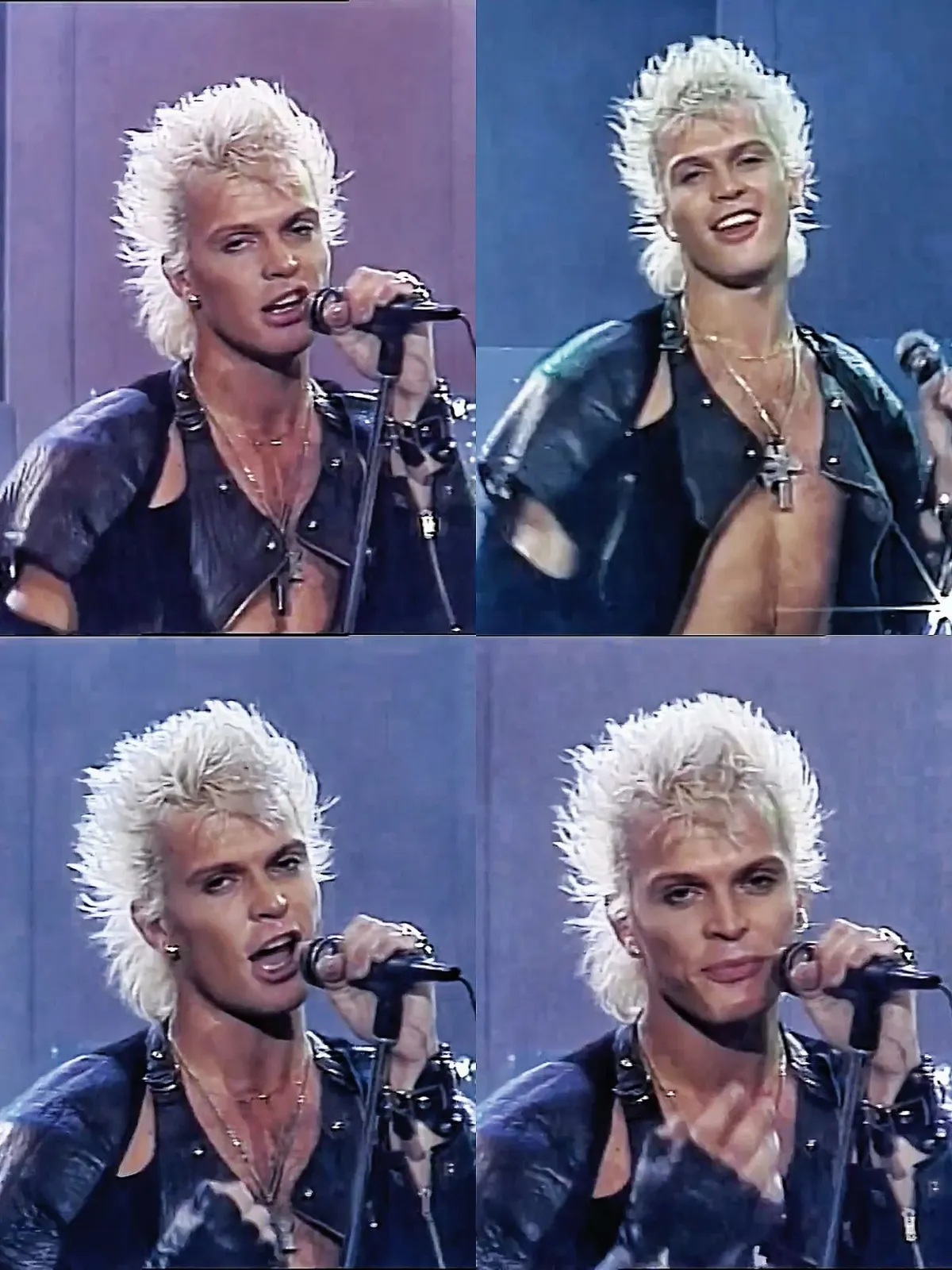
What does Billy Idol’s journey through addiction reveal about the struggles of fame?
Billy Idol, the iconic rock star known for his hits in the 1980s, has openly discussed his tumultuous relationship with addiction, raising the question: how does fame influence one’s battle with substance abuse? Idol’s candid reflections suggest that the pressures of celebrity life can exacerbate personal struggles, leading to dangerous choices.
Idol’s journey began in the late 1970s when he was part of the punk band Generation X. After parting ways with the band, he moved to the United States in 1981 to pursue a solo career. As his popularity surged, so did his drug use. Idol admitted, “Once you’re trying to get off heroin, what do you go to? You go to something else. I started smoking crack to get off heroin.” This admission underscores the complexities of addiction, where one substance often leads to another.
Idol’s struggles with drugs were not without peril. He recounted a near-fatal overdose in 1984, shortly after the success of his second album, ‘Rebel Yell.’ He described the experience, stating, “I was basically dying. I was turning blue.” This moment marked a critical point in his life, illustrating the life-threatening consequences of his addiction. Despite these challenges, Idol has managed to find a path to recovery, claiming that he has not done a line of cocaine in 20 years and considers himself ‘California sober.’
In the late 1980s, Idol became a parent, welcoming his son Willem in 1988 and daughter Bonnie in 1989. These life changes prompted him to reassess his lifestyle and priorities. Idol’s reflections on fatherhood reveal a desire to break the cycle of addiction that plagued his early years. He acknowledges the luck he feels in being alive after battling addiction, a sentiment that resonates with many who have faced similar struggles.
Idol’s motorcycle crash in 1990 further complicated his journey. The accident nearly cost him his leg and forced him to turn down a role in ‘The Terminator’ sequel. This incident serves as a reminder of the fragility of life and the impact of reckless behavior, often exacerbated by substance abuse.
Recently, Idol premiered a documentary titled ‘Billy Idol Should Be Dead’ at the Tribeca Festival on June 10. The film delves into his life, including his battles with addiction and the choices that led him to near destruction. Idol’s candidness about his past serves as a powerful narrative of resilience, illustrating how he has navigated the treacherous waters of fame and addiction.
As Idol reflects on his past, he acknowledges the dangers of the current drug landscape, stating, “If I was doing what I was back then today, I would have died from fentanyl.” This recognition of evolving drug threats highlights the ongoing challenges faced by those in recovery and the importance of awareness in combating addiction.
Idol’s story is one of survival and transformation. While he has made significant strides in his recovery, the journey is ongoing, and the impact of his past continues to shape his present. As he continues to share his experiences, Idol not only sheds light on the darker aspects of fame but also offers hope to those grappling with similar issues.