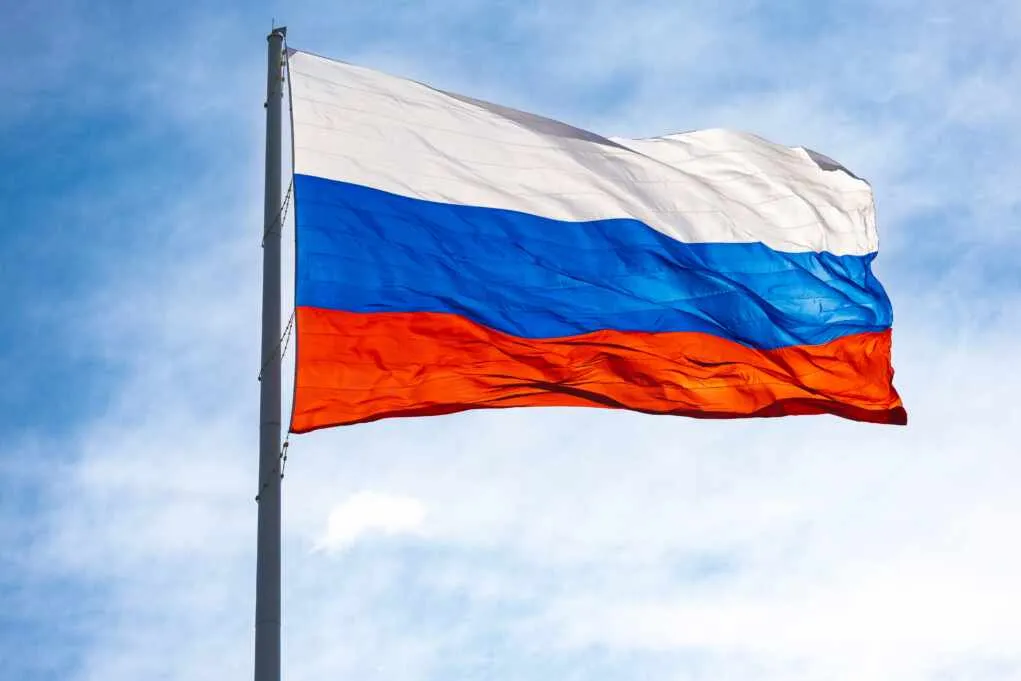
In recent years, diplomatic relations between the UK and Russia have been fraught with tension, particularly following Russia’s full-scale military invasion of Ukraine in February 2022. Prior to the latest developments, there was a cautious expectation that both nations might engage in dialogue, despite their differences.
However, a decisive moment occurred on March 30, 2026, when Russia’s FSB ordered the expulsion of Albertus Gerhardus Janse van Rensburg, a second secretary at the British Embassy in Moscow. The FSB accused him of attempting to obtain sensitive information during informal meetings with Russian experts, a claim that has been met with strong denial from the UK Foreign Office.
The immediate effect of this expulsion is significant, as Janse van Rensburg has been given just two weeks to leave Russia after his accreditation was revoked. The Russian Ministry of Foreign Affairs summoned the British Chargé d’Affaires to discuss the allegations, which have been described by a UK Foreign Office spokesman as “complete nonsense.”
In a statement, the FSB asserted that they uncovered signs of intelligence and subversive activities by the diplomat that allegedly threaten the security of the Russian Federation. This accusation comes amidst a backdrop of heightened scrutiny of British intelligence activities in Russia, which officials claim have reached levels unseen since the Cold War.
Experts suggest that this incident marks a further deterioration in UK-Russia relations, which have been characterized by mutual distrust and accusations of espionage. The expulsion of a diplomat is a serious diplomatic gesture, indicating that Russia is unwilling to tolerate what it perceives as threats to its national security.
As the situation unfolds, the implications for future diplomatic engagements remain uncertain. The UK has consistently rejected the FSB’s claims, emphasizing the importance of diplomatic dialogue and cooperation, even in the face of such accusations.
Details remain unconfirmed regarding the specific nature of the information that Janse van Rensburg was allegedly attempting to acquire. However, the incident underscores the fragile state of international relations and the potential for further escalations.
In light of these developments, both nations may need to reassess their diplomatic strategies. The expulsion serves as a reminder of the challenges faced in maintaining open lines of communication amidst rising tensions.
As community members and observers, we watch closely how this situation will evolve and what it means for the broader landscape of international diplomacy.