Prior Expectations
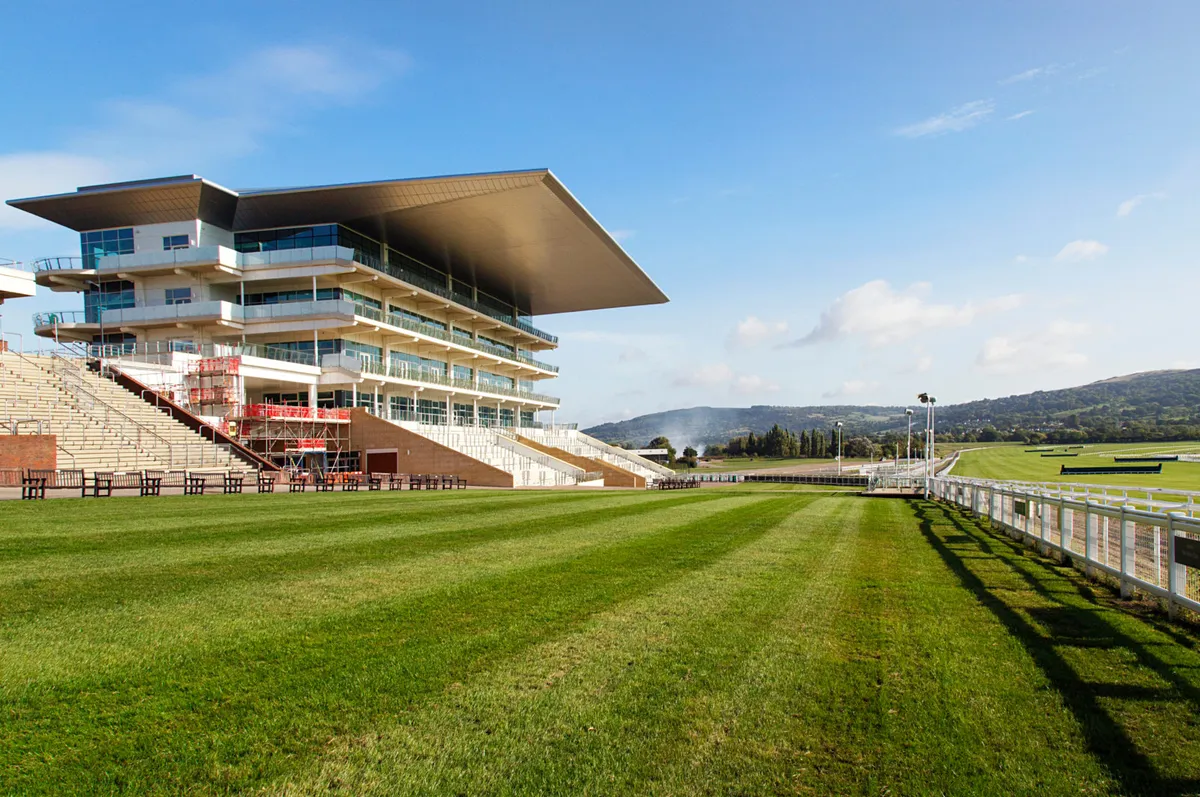
The Cheltenham Festival has long been regarded as the world’s most iconic week of jumps racing, drawing in large crowds and generating substantial economic benefits for the local area. Historically, the festival has spanned four days, featuring seven races each day, and has attracted around 250,000 spectators annually, averaging about 65,000 per day.
Decisive Changes
As the 2026 Cheltenham Festival approaches, scheduled from March 10 to March 13, expectations have been heightened. The festival will once again showcase its hallmark events, including the Boodles Cheltenham Gold Cup, which boasts a prize fund of £625,000, and the Champion Hurdle with a prize of £450,000. The economic impact is estimated to reach £274 million, underscoring the festival’s significance to the local economy.
Direct Effects on Participants
The festival’s prominence is reflected in the competitive field of horses and trainers. Notable contenders such as The Jukebox Man are already being discussed as frontrunners for the Gold Cup, as highlighted by Harry Redknapp. However, the absence of Constitution Hill from the 2026 lineup has raised concerns among fans and experts alike, indicating a shift in the competitive landscape.
Expert Perspectives
Willie Mullins, a prominent trainer, noted the unfortunate withdrawal of a key competitor, stating, “After working very well on Thursday morning, he wasn’t right on Friday morning and will miss the Gold Cup and the other spring festivals.” This highlights the unpredictability and challenges faced by participants in the lead-up to the festival.
Overall, the Cheltenham races continue to be a focal point for both spectators and participants, with the upcoming festival promising to maintain its status as a premier event in the racing calendar. As the date approaches, the anticipation builds for what is often referred to as the World Cup of jumps racing.