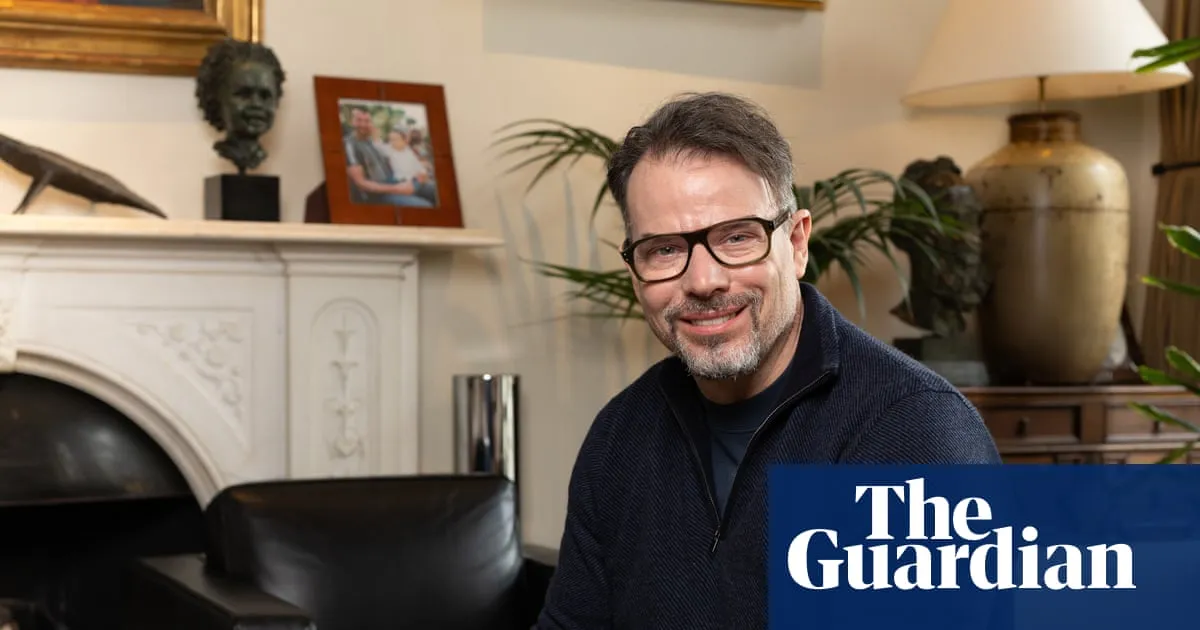
Before the recent announcement, expectations surrounding educational funding in the UK were relatively modest, with significant donations often coming in the range of tens of millions. However, the landscape has dramatically shifted with Chris Rokos’s groundbreaking donation of £190 million to the University of Cambridge, aimed at establishing the Rokos School of Government.
This monumental gift, believed to be the largest individual donation to a British university in modern history, represents a decisive moment for both the university and the broader educational community. Rokos’s initial contribution of £130 million, coupled with an additional £60 million in matched funds from the university, signals a new era of philanthropic support for higher education.
The immediate effects of this donation are profound. The Rokos School of Government is set to prepare future leaders for domestic and international politics, filling a vital gap in the educational landscape. It will initially operate from temporary accommodations starting in autumn 2026, before moving to a new building in the Cambridge West Innovation District.
Chris Rokos, who is estimated to be worth £2.6 billion, expressed his motivation for this generous act, stating, “I was fortunate to be given the opportunity of an education which transformed my life, and I would like to give something back to Britain.” His hope is that the school will contribute significantly to the UK’s soft power on the global stage.
Experts view this donation as a pivotal moment, not only for Cambridge but for the entire UK education system. The Rokos School of Government aims to rival the University of Oxford’s Blavatnik School of Government, which was established in 2010 with a £75 million donation. This competition could spur further advancements in educational offerings across the country.
As the Rokos School prepares to open its doors, the excitement within the academic community is palpable. The potential for nurturing future leaders who will shape both domestic and international policies is a prospect that many are eagerly anticipating.
While the details of the school’s curriculum and faculty remain to be fully disclosed, the commitment from Rokos and the University of Cambridge sets a new standard for educational philanthropy in the UK. The ripple effects of this donation are likely to be felt for generations to come.
As the community looks forward to the opening of the Rokos School of Government, it is clear that Chris Rokos’s vision and generosity will leave an indelible mark on the landscape of higher education.