What Happened
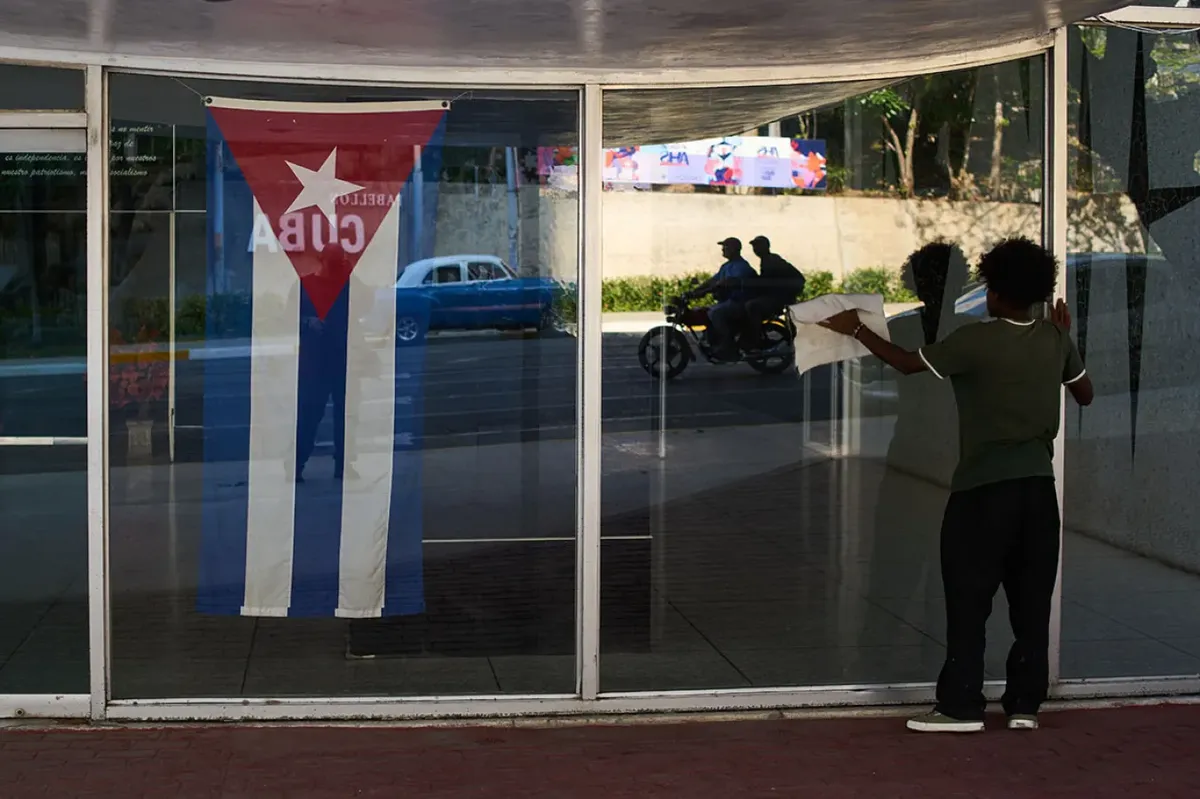
Caribbean leaders convened on Tuesday in St Kitts and Nevis to discuss pressing issues, including the region’s relationship with the United States. The meeting, part of the Caricom summit, highlighted concerns over US policies that have affected the Caribbean, particularly regarding Cuba. Jamaican Prime Minister Andrew Holness emphasized the need for constructive dialogue between Cuba and the US, warning that a prolonged crisis in Cuba could have far-reaching consequences for migration, security, and economic stability across the Caribbean.
Why It Matters
The US has implemented stringent sanctions against Cuba, significantly impacting the island’s economy and access to essential resources. Reports indicate that the US is blocking nearly all oil deliveries to Cuba, which relies entirely on imports for fuel. This blockade has led to severe shortages, affecting transportation, food supply, and healthcare services. The situation has escalated tensions in the region, prompting Caricom leaders to voice their concerns over the humanitarian implications of the US’s actions.
What’s Next
As the crisis unfolds, Caribbean nations are likely to continue advocating for a reevaluation of US policies towards Cuba. The Caricom summit may serve as a platform for member states to unify their stance on the issue, potentially leading to increased diplomatic efforts aimed at alleviating the humanitarian crisis in Cuba. The outcome of these discussions could influence future relations between the Caribbean nations and the United States, as well as the stability of the region as a whole.