Introduction
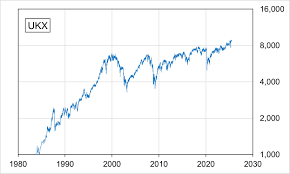
The FTSE 100 Index, often referred to as the ‘Footsie’, is a stock market index that represents the 100 largest companies listed on the London Stock Exchange (LSE) by market capitalisation. Tracking the performance of these firms, the FTSE 100 is a vital economic indicator for the United Kingdom, providing a snapshot of the health of the financial markets and the broader economy. As the UK emerges from recent economic challenges, understanding the fluctuations within the FTSE 100 Index becomes increasingly important for investors, policymakers, and the public alike.
Recent Developments
As of October 2023, the FTSE 100 Index has shown signs of resilience amid a changing economic landscape marked by high inflation rates and rising interest rates instituted by the Bank of England. Recent data indicates that the FTSE 100 has seen a year-to-date increase of approximately 5%, primarily driven by strong performances from sectors such as mining and energy. Notably, companies like BHP Group and Shell have reported substantial profits, bolstered by surging commodity prices due to ongoing global supply challenges.
However, analysts warn of potential volatility as geopolitical tensions and inflationary pressures persist. The recent conflict in Eastern Europe and uncertainties stemming from Brexit negotiations have led to fluctuations in investor confidence, influencing stock performance across the index. Moreover, the UK economy’s growth prospects remain constrained, with projections indicating a modest recovery as inflation begins to stabilise.
Factors Influencing the FTSE 100
A variety of factors contribute to the performance of the FTSE 100 Index. For instance, interest rates set by the Bank of England significantly affect investor sentiment. As the Central Bank continues to battle inflation, any adjustments to interest rates can create ripple effects throughout the stock market.
The global economic environment also plays a crucial role; changes in the United States Federal Reserve’s monetary policies and China’s economic activities can directly impact FTSE-listed companies, particularly those with international exposure. Furthermore, currency fluctuations, especially the strength of the British Pound against the US Dollar, can influence earnings reported by multi-national firms.
Conclusion
In conclusion, the FTSE 100 Index remains a critical barometer for the UK’s economic health and investment climate. As we progress through the last quarter of 2023, stakeholders should remain vigilant regarding the external factors influencing the index. While there are positive signs of recovery in some sectors, ongoing risks associated with inflation and global market conditions necessitate a cautious approach. Investors are advised to stay informed and consider potential impacts on their investment strategies as the dynamics of the FTSE 100 continue to evolve.