Introduction
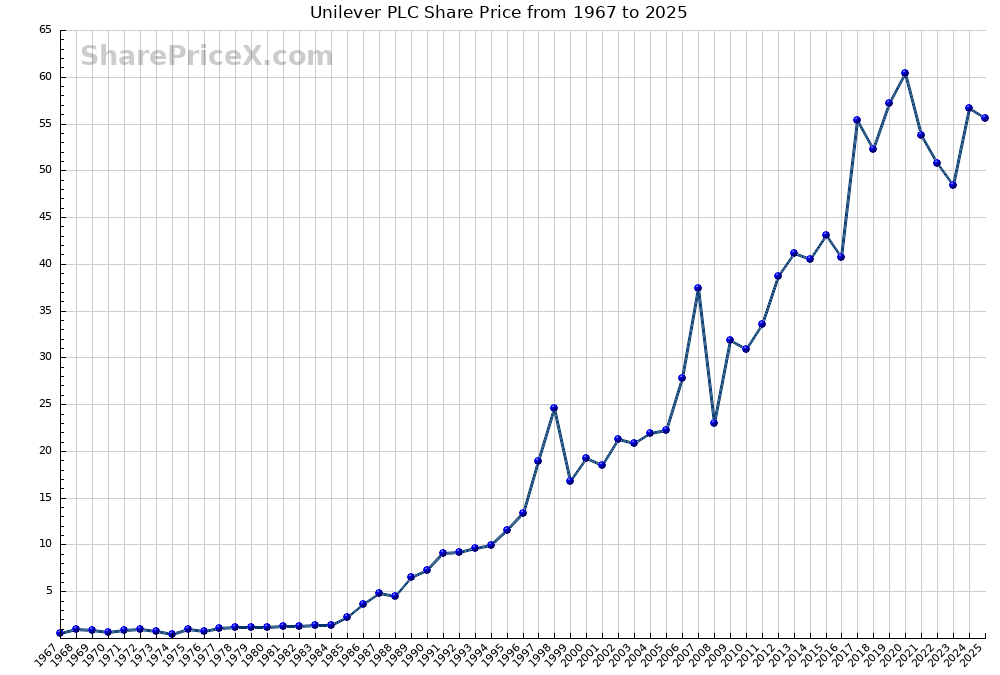
The Unilever share price has been a topic of significant interest among investors and market analysts following recent fluctuations in the consumer goods sector. As one of the world’s leading companies in fast-moving consumer goods (FMCG), changes in Unilever’s share price can provide insights into broader economic trends and consumer behaviour. This article explores the current state of Unilever’s share price, factors influencing its movements, and what the future may hold for investors.
Recent Developments
As of mid-October 2023, the Unilever share price has experienced a modest decline, trading around £40.50 per share. This marks a decrease of approximately 5% compared to the previous quarter. Analysts attribute this dip to a combination of rising input costs due to inflation, ongoing supply chain disruptions, and a recent report indicating a slowdown in global consumer spending.
In its latest earnings report, Unilever reported a 7% rise in revenue, driven by strong demand for its health and wellness products. However, this growth has been overshadowed by concerns regarding profitability margins, which have compressed due to increasing raw material prices.
Market Influences
Several key factors are influencing the Unilever share price. Firstly, investors have reacted to the company’s strategic shift towards more sustainable products, which, while beneficial in the long term, may present short-term challenges during the transition phase. Analysts discuss how changes in consumer preferences towards environmentally friendly and ethical products could reshape sales trajectories.
Moreover, the competitive landscape within the FMCG sector is intensifying, with competitors ramping up their sustainability efforts and digital marketing strategies. This competition may lead to pricing pressures that affect Unilever’s bottom line, further impacting its share price.
Conclusion and Future Outlook
In conclusion, while the current Unilever share price reflects caution amid various economic pressures, the company’s long-term strategies focused on sustainability and product innovation hold promise. Market analysts suggest that maintaining a close watch on upcoming earnings reports and consumer behaviour trends will be crucial for investors. Despite current challenges, many believe Unilever has the potential to rebound, especially as the company continues to adapt to changing market dynamics.
For investors looking at long-term stock opportunities, Unilever remains a compelling option, but it is essential to consider the volatility in the short term. Forecasts indicate a possibility of price recovery driven by the resilience of consumer staples, making it a stock worth monitoring closely.