Dingoes are genetically distinct from those on mainland Australia and hold significant cultural value for the Indigenous Butchulla people, who refer to them as wongari. However, violent interactions between dingoes and humans have been increasing in recent years, raising concerns about safety and wildlife management in areas where these animals are prevalent.
Tragic Incident
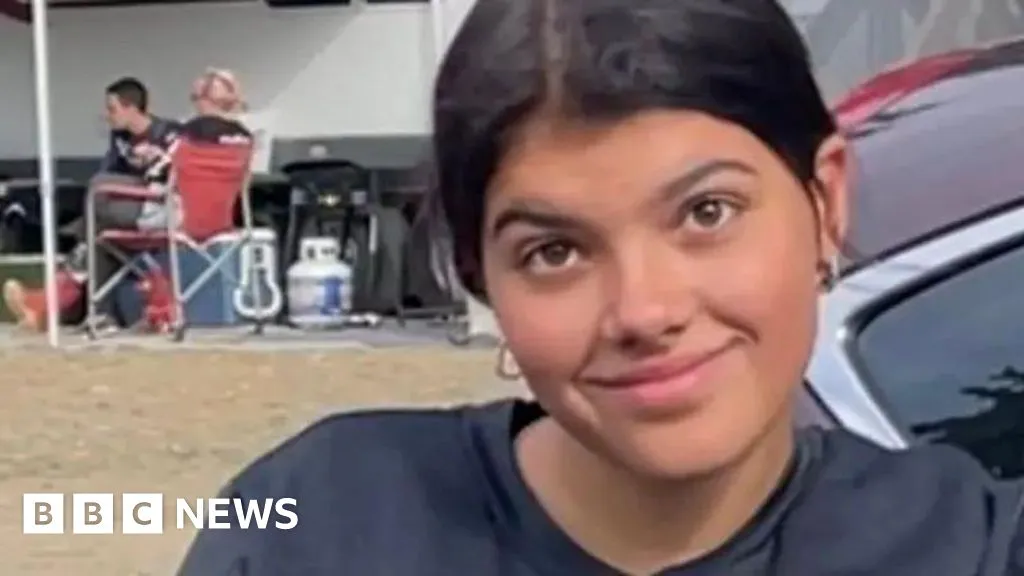
On January 19, 2023, Piper James, a 19-year-old from Campbell River, British Columbia, Canada, tragically died following a dingo attack while visiting K’gari, Queensland. Piper had been traveling around Australia since October with a friend, exploring the natural beauty of the region. The last known sighting of her alive was at approximately 5 a.m. on the day of the incident.
Details of the Attack
Piper’s body was discovered surrounded by a pack of about 10 dingoes. An autopsy revealed physical evidence consistent with drowning and injuries consistent with dingo bites. A spokesperson for the Coroners Court of Queensland stated, “Piper died as a result of drowning in the setting of multiple injuries, due to, or as a consequence of a dingo attack.” This finding has raised questions about the circumstances leading to her death and the behavior of the dingoes involved.
Government Response
In response to the incident, the Queensland government announced that the entire pack of dingoes linked to the attack would be euthanized. As of now, eight of the dingoes have already been culled. Environment Minister Andrew Powell remarked, “This tragedy has deeply affected Queenslanders and touched the hearts of people around the world,” highlighting the emotional impact of the event on the community and beyond.
Cultural Significance and Concerns
The culling of the dingoes has sparked a debate about the treatment of these animals, which are considered sacred by the Butchulla people. Angela James, Piper’s mother, expressed her grief, stating, “She loved all animals, no matter what.” This sentiment reflects the complex relationship between humans and wildlife, particularly in areas where cultural beliefs intersect with modern safety concerns.
Future Implications
Experts warn that unless human behavior towards dingoes is addressed, the potential for future incidents remains high. Bradley Smith, a senior lecturer, noted, “Unless you fix the way that humans behave on the island towards dingos, then it will never fix it.” The ongoing investigation into Piper’s death is expected to inform future policies regarding wildlife management and human interactions with dingoes.
Looking Ahead
As the investigation continues, officials and observers are closely monitoring the situation. The Coroners Court of Queensland has confirmed that pre-mortem dingo bite marks are not likely to have caused immediate death, indicating that further details about the incident may emerge. With concerns over the dingo population’s future, experts estimate that if current behaviors continue, the dingo population may face extinction within the next 50 years.