Introduction
North Macedonia, a small yet vibrant country in Southeast Europe, has been a focal point of cultural and political interest in recent years. Its significance lies not only in its rich history and diverse cultural heritage but also in its strategic location within the Balkans. As the country continues its journey towards European Union integration, North Macedonia presents a unique blend of ancient traditions and modern aspirations.
Historical Background
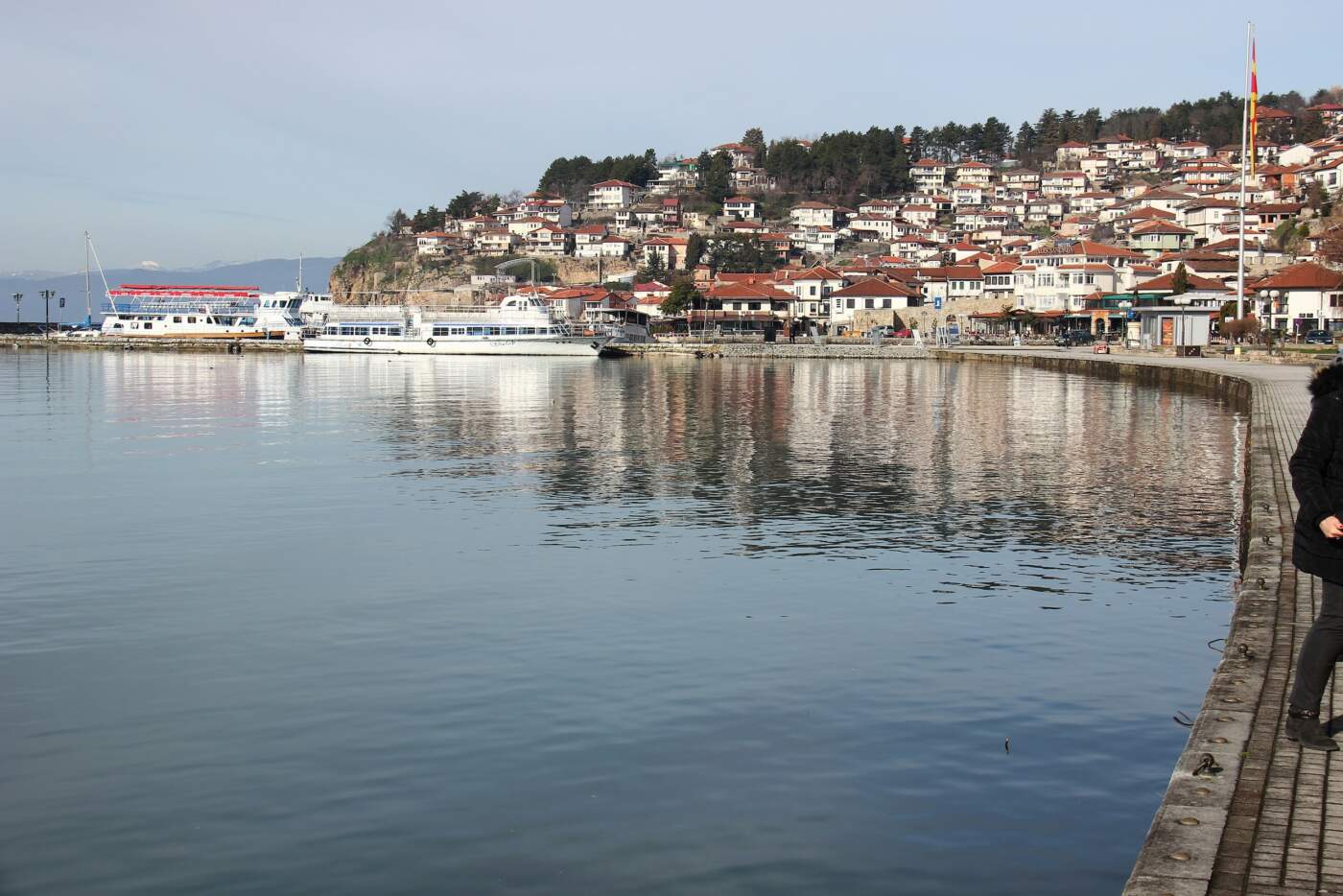
Historically, North Macedonia has been a crossroads for various civilisations, including the Romans and Ottomans. The region is home to several UNESCO World Heritage sites, such as the ancient city of Ohrid, which boasts a rich collection of churches and archaeological remains. This historical significance contributes to the country’s tourism appeal, drawing visitors intrigued by its cultural depth.
Recent Developments
In recent years, North Macedonia has undergone significant political changes aimed at stabilising the region and advancing towards EU membership. In 2019, the country officially changed its name from Macedonia to North Macedonia following a long-standing dispute with Greece. This landmark agreement has paved the way for North Macedonia’s NATO membership in March 2020 and opened doors for potential EU accession talks.
As of late 2023, North Macedonia has been engaging in extensive reforms to meet EU standards, focusing on the rule of law, building an efficient judiciary, and fostering economic growth. The government has prioritised investment in infrastructure and digitalisation to enhance the country’s economic landscape.
Cultural Significance
North Macedonia is known for its diverse cultural heritage, which encompasses a variety of ethnic groups, languages, and traditions. The country is famous for its music, dance, and culinary arts, making it a culturally rich destination. Events such as the Skopje Jazz Festival and the Ohrid Summer Festival showcase the nation’s artistic vibrancy and attract international visitors.
Conclusion
In conclusion, North Macedonia stands at a crucial juncture in its history. With a rich cultural tapestry and a commitment to reform and integration, the country offers unique opportunities for growth and collaboration. As North Macedonia continues its path toward European Union membership, it remains a compelling destination for tourists and investors alike, promising a future filled with potential in the heart of the Balkans.