Introduction
Yakutsk, the capital of the Sakha Republic in Russia, is renowned for being the coldest city in the world, where winter temperatures can plunge below -40°C. With its extreme climate, Yakutsk exemplifies resilience and adaptability, attracting researchers, adventurers, and tourists curious about life in one of the harshest environments on Earth. Understanding Yakutsk’s unique characteristics not only highlights the challenges faced by its inhabitants but also showcases the rich culture and significant history of this remarkable city.
Climate and Geography
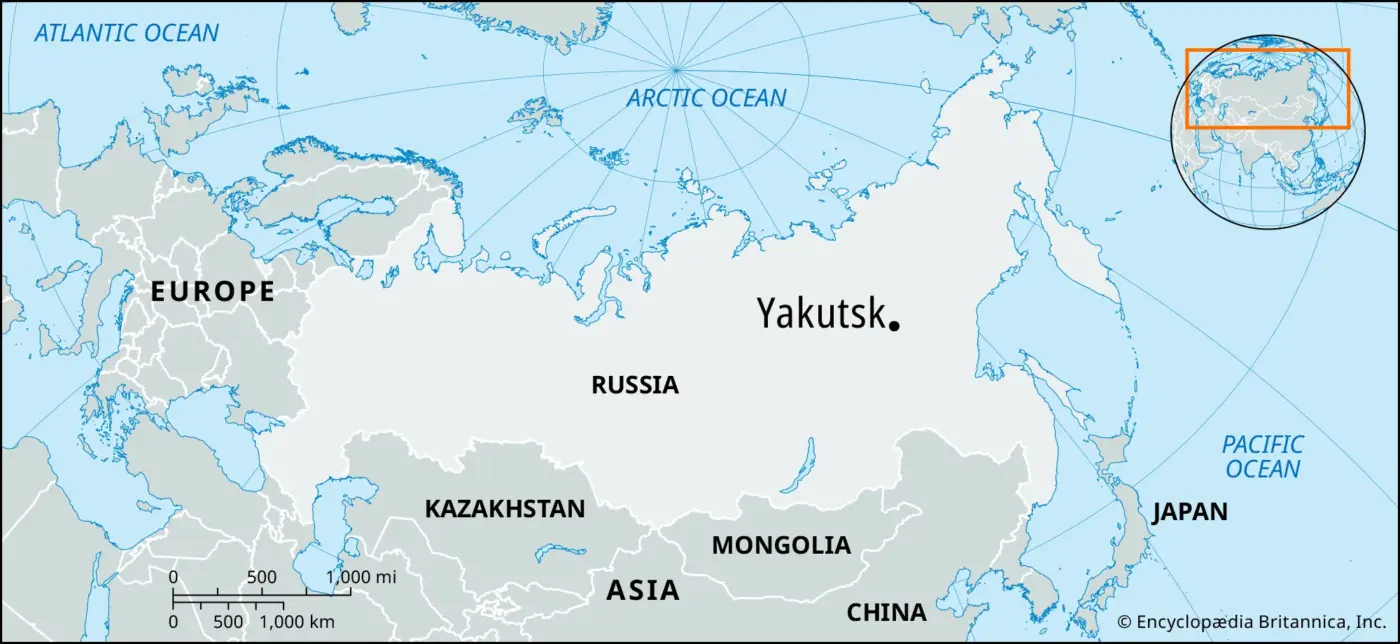
Located approximately 4,500 kilometres east of Moscow, Yakutsk sits near the Lena River and is surrounded by permafrost. The city experiences a subarctic climate, characterised by long, frigid winters and short, warm summers. The average temperature in January can reach a chilling -30°C, while July sees averages of about 19°C. This temperature discrepancy is one of the largest in the world, making Yakutsk a focal point for climate studies.
Life in Yakutsk
Despite the brutal cold, Yakutsk is a vibrant city with a population exceeding 300,000 residents. Life in Yakutsk is uniquely adapted to the extreme climatic conditions. Residents have developed traditional practices to cope, such as wearing layers of warm fur clothing and using insulated buildings to withstand the cold. Moreover, the city is home to several cultural institutions, including museums that showcase the region’s history, indigenous heritage, and the famous Mammoth Museum, highlighting the area’s prehistoric past.
Economy and Development
The economy of Yakutsk is primarily based on natural resources, including mining, diamonds, and natural gas. The city serves as a crucial transport hub due to its strategic location and is a significant centre for trade and commerce in Eastern Siberia. Recent investments in infrastructure are improving connectivity, leading to a boost in tourism, particularly during the summer months when visitors can experience the natural beauty of the surrounding landscapes, including pristine lakes and vast taiga forests.
Conclusion
Yakutsk stands as a testament to human resilience and adaptation. As the coldest city globally, it presents unique challenges that its residents meet with innovative solutions and a rich cultural heritage. With growing interest in climate studies and sustainable living in extreme weather conditions, Yakutsk’s importance is rising on the international stage. For travelers and researchers alike, it offers a rare glimpse into the complexities of life in extreme environments, making it a significant destination for exploration and understanding.