Introduction
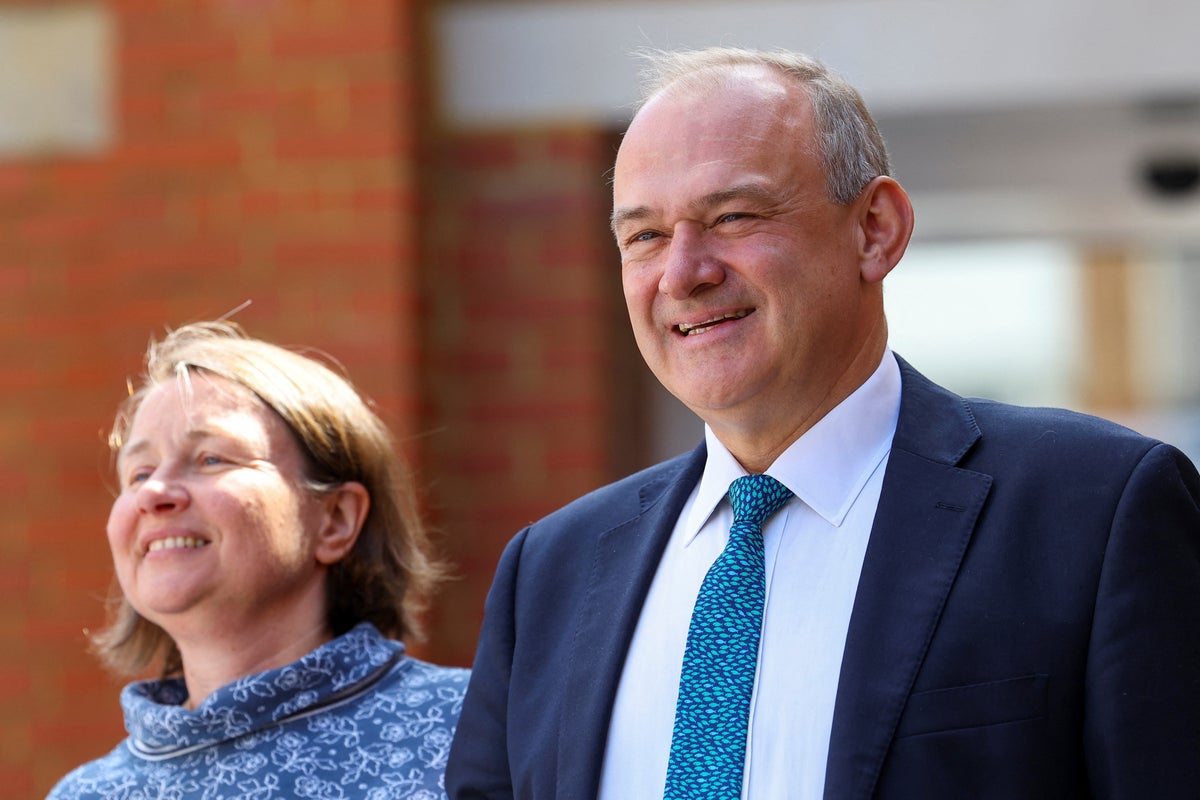
Ed Davey, the current leader of the Liberal Democrats, has gained considerable attention in UK politics for his progressive vision and commitment to pressing issues like climate change and social justice. As the country navigates a complex political landscape, Davey’s role has become increasingly crucial, especially in the context of the upcoming elections and shifting public sentiments.
Background and Leadership
Ed Davey has been a prominent figure in UK politics since he first entered Parliament in 2010. He served in various roles, including as Secretary of State for Energy and Climate Change, where he was instrumental in promoting renewable energy initiatives and advocating for sustainable policies. In 2020, he was elected leader of the Liberal Democrats, succeeding Jo Swinson after a challenging period for the party.
Recent Developments
In recent months, Ed Davey has positioned himself as a strong opponent of the current Conservative government, highlighting issues such as the cost-of-living crisis and the need for a comprehensive, fair climate strategy. His approach has resonated with many voters, particularly younger generations who are increasingly concerned about environmental degradation and social inequality. The Liberal Democrats have seen a slight uptick in support as Davey rallies behind critical agendas, such as implementing a green tax reform and pushing for electoral reform.
Policies and Vision
Under Davey’s leadership, the Liberal Democrats have reaffirmed their commitment to several key policies. One of the main points of focus is tackling climate change through initiatives aimed at achieving net-zero carbon emissions by 2045. Davey has proposed ambitious infrastructure projects to enhance public transport and renewable energy sources. Furthermore, he advocates for social reforms, including access to affordable housing and healthcare.
Conclusion
As the next General Election approaches, Ed Davey’s leadership will be pivotal in determining the future of the Liberal Democrats. The party aims to emerge as a vital alternative in British politics, appealing to voters who seek a progressive agenda and accountability from their leaders. Looking ahead, it will be interesting to see whether Davey can maintain momentum, especially amid growing challenges from competing parties. His political acumen and dedication to crucial issues may play a significant role in shaping the UK’s political landscape in the years to come.