Changing Climate Patterns
Historically, El Niño has been recognized as a significant climate pattern since the 1600s, initially noted by fishermen off the coast of South America. This natural phenomenon, known formally as the El Niño – Southern Oscillation (ENSO), typically alternates between warmer and cooler seawater in the tropical Pacific every 1-3 years. Prior to the anticipated emergence of El Niño in 2026, the prevailing climate condition was La Niña, which has been associated with cooler ocean temperatures and different weather patterns.
Emergence of El Niño
As of now, the La Niña climate pattern is fading, paving the way for a strong El Niño to take hold by summer 2026. There is a 62% chance that El Niño will emerge between June and August 2026, which could lead to significant changes in global weather systems. The current expectation is that a strong El Niño could drive up average global temperatures, with projections indicating that 2026 will see an increase in temperatures, potentially reaching record levels.
Impact on Global Temperatures
El Niño is expected to have a larger effect in 2027, but its immediate impact in 2026 is already being closely monitored. A strong El Niño could lead to average global temperatures rising by 2 degrees above normal values in the eastern region. This increase is particularly concerning as 2023 has already set the record for the hottest year ever recorded, and the potential for further temperature rises could exacerbate existing climate challenges.
Weather Implications
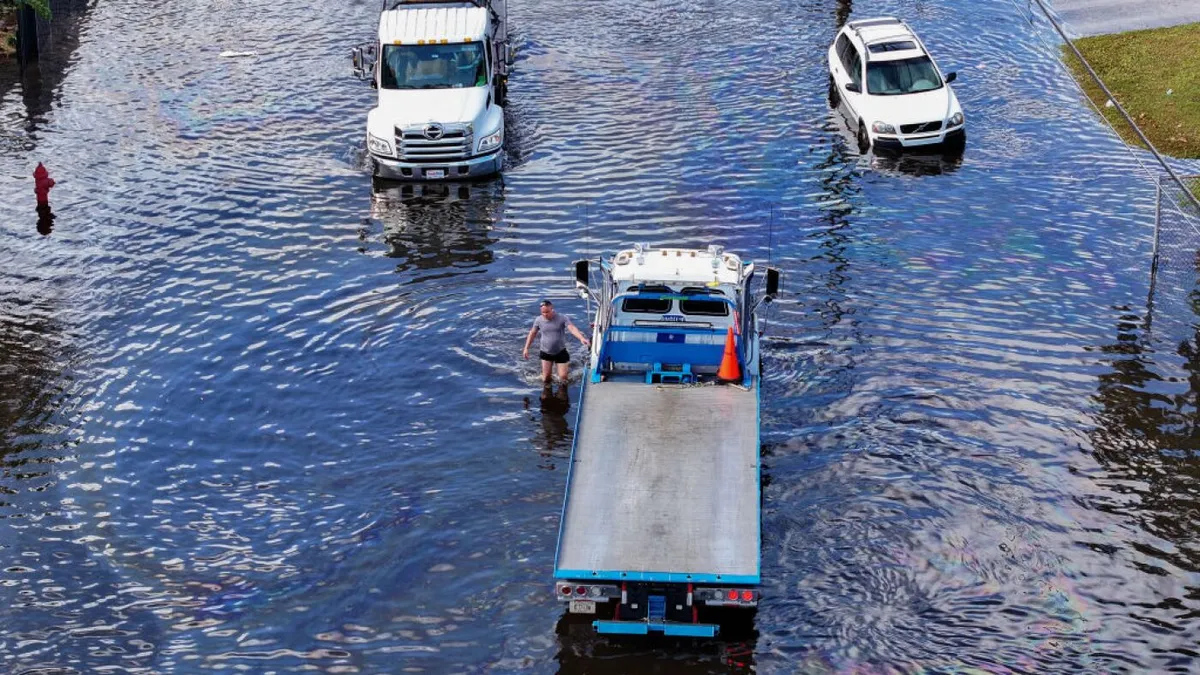
The effects of El Niño are far-reaching, often resulting in heat waves, droughts, and flooding around the world. Specifically, El Niño typically leads to more rising air over the tropical Pacific, which reduces the number of hurricanes in the Atlantic. This shift in weather patterns can have profound implications for agriculture, water supply, and disaster preparedness in various regions, particularly those that are already vulnerable to climate variability.
Expert Insights
Experts are weighing in on the potential impacts of the upcoming El Niño. Daniel Swain, a climate scientist, noted, “Even though the evidence is still early, this could be a very significant event in 2026 and lingering into 2027.” Zeke Hausfather added, “The El Niño cometh,” highlighting the urgency of monitoring this developing climate phenomenon. However, he also cautioned that the potential strength of El Niño remains uncertain, with a 1-in-3 chance that it could be classified as ‘strong’ during the critical months of October to December 2026.
Looking Ahead
All signs are increasingly pointing to a significant, if not strong to very strong, El Niño event. As the situation evolves, the global community must prepare for the potential consequences of this climate pattern. The specific impacts of El Niño on regional weather patterns are not fully confirmed, and details remain unconfirmed. Continuous monitoring and research will be essential in understanding how this phenomenon will shape the climate landscape in the coming years.