The wider picture
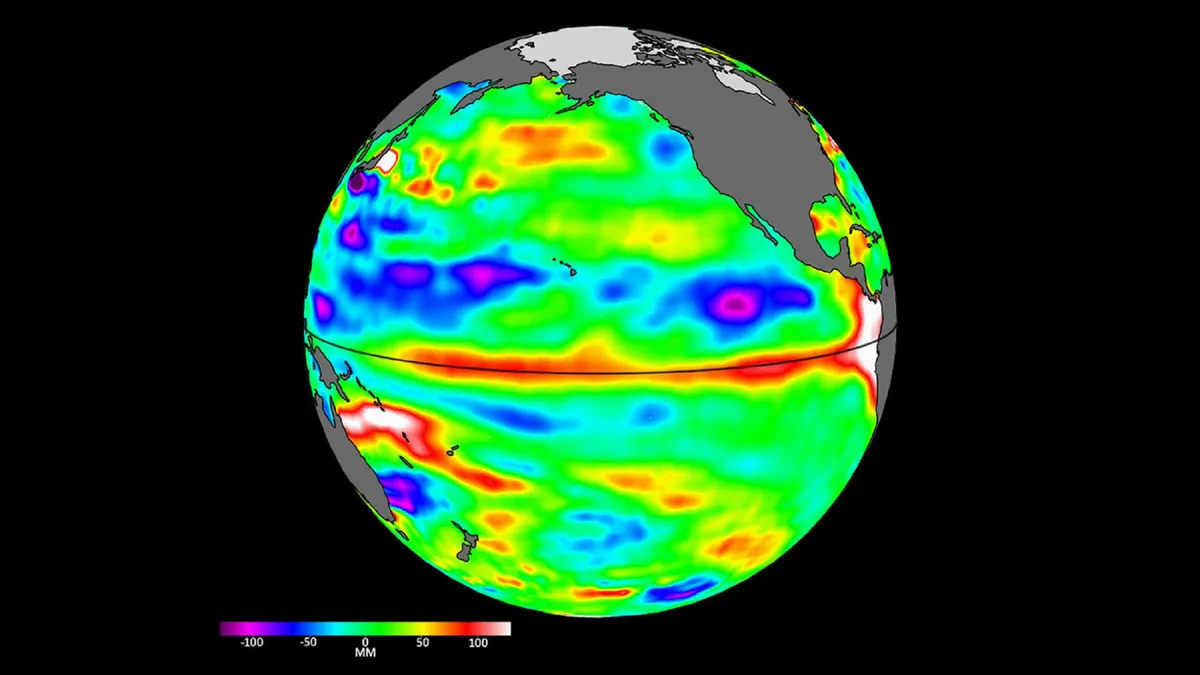
El Niño is a disruption in the usual pattern of water and air movement in the Pacific Ocean, occurring roughly every two to seven years. This phenomenon has historically affected fishermen off the western coast of South America, causing mass death in the food chain they relied on. As we enter a new El Niño phase, the implications for global weather patterns and temperatures are becoming increasingly significant.
Recent developments indicate a strong likelihood of a significant El Niño event. According to climate experts, there is an 80 percent chance of a strong El Niño occurring, with a 22 percent chance of it reaching ‘super’ status by August. Daniel Swain, a noted climate scientist, remarked, “Whew. All signs are increasingly pointing to a significant, if not strong to very strong, El Niño event.” This raises concerns about the potential for extreme weather conditions across the globe.
The El Niño event of 2023/24 is already contributing to predictions that 2024 could be Earth’s warmest year on record. The World Meteorological Organization (WMO) has warned that the rapid and large-scale changes to the global climate are likely to cause damaging effects that could last for centuries. The past 11 years have been the warmest since records began in 1850, with global average temperatures in 2025 projected to be approximately 1.43°C above pre-industrial levels.
As temperatures soar, we are witnessing alarming weather phenomena. For instance, temperatures in the southwestern United States exceeded 40 degrees Celsius during an early-season heatwave, illustrating the immediate impact of these climatic shifts. Ben Noll, another climate expert, noted that “changes in location, intensity and frequency of droughts, floods, heat waves and hurricanes are all likely” as we move deeper into this El Niño phase.
Furthermore, the increasing concentration of greenhouse gases complicates the situation. Eric Webb explained, “Due to the increasing concentration of greenhouse gases, the climate system cannot effectively exhaust the heat released in a major El Niño event before the next El Niño comes along and pushes the baseline upward again.” This creates a concerning cycle of warming that could have long-lasting effects on our planet.
As we transition into this El Niño phase, experts warn that we will likely see an increase in global temperatures again, potentially leading to new records. Dr. John Kennedy stated, “If we transition to El Niño, we will see an increase in global temperature again – and potentially to new records.” This serves as a stark reminder of the interconnectedness of our climate systems and the urgent need for action.
In light of these developments, communities around the world are urged to prepare for the potential impacts of El Niño. Local governments and organizations are beginning to strategize on how to mitigate the effects of extreme weather events, ensuring that vulnerable populations are protected. As we face this significant climate phenomenon, it is crucial to remain informed and proactive in addressing the challenges that lie ahead.