Election Overview
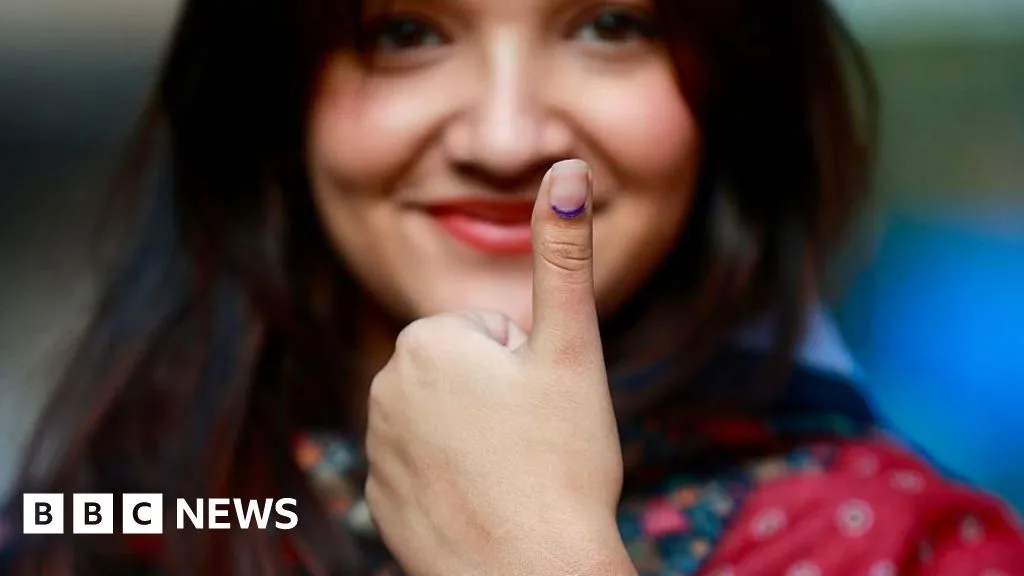
Nepalese citizens voted on March 5, 2026, to elect a new parliament, marking a pivotal moment in the country’s political landscape. This election is the first since the Gen Z protests, which demanded accountability and led to the resignation of former Prime Minister Khadga Prasad Sharma Oli.
Turnout for the election was estimated at 60 percent, with around 3,400 candidates contesting for 165 seats under a direct voting system. The election will ultimately fill 275 members of the House of Representatives, with 165 elected through a first-past-the-post system and 110 through proportional representation.
Preliminary Results
As of the latest updates, the Rastriya Swatantra Party (RSP) is leading in 36 seats according to preliminary results. Notably, RSP candidate Ranju Darshana secured victory in the Kathmandu 1 constituency by a significant margin, garnering around 10,000 votes.
Vote counting commenced late on March 5 and is expected to conclude by March 6, 2026. The RSP, formed in 2022, has gained substantial support during the campaign, reflecting the changing political sentiments in the country.
Significance of the Election
This election is critical for addressing the aspirations of the youth, especially in light of the Gen Z protests, which resulted in at least 77 fatalities. Voter Luniva expressed her motivation to participate, stating, “I came to vote mainly because of the protest and so many people gave their lives in the hope of a change, in hope of seeing a better Nepal.”
Political analyst Puranjan Acharya emphasized the importance of this election, noting, “The election is critical to address the aspirations of the youths expressed during the Gen Z protests.” He also cautioned that if the newly elected leaders are perceived as unfit, there could be risks of further unrest.
As the results continue to unfold, the implications of this election will be closely monitored by both political observers and the general public, eager for a government that reflects their demands for change.