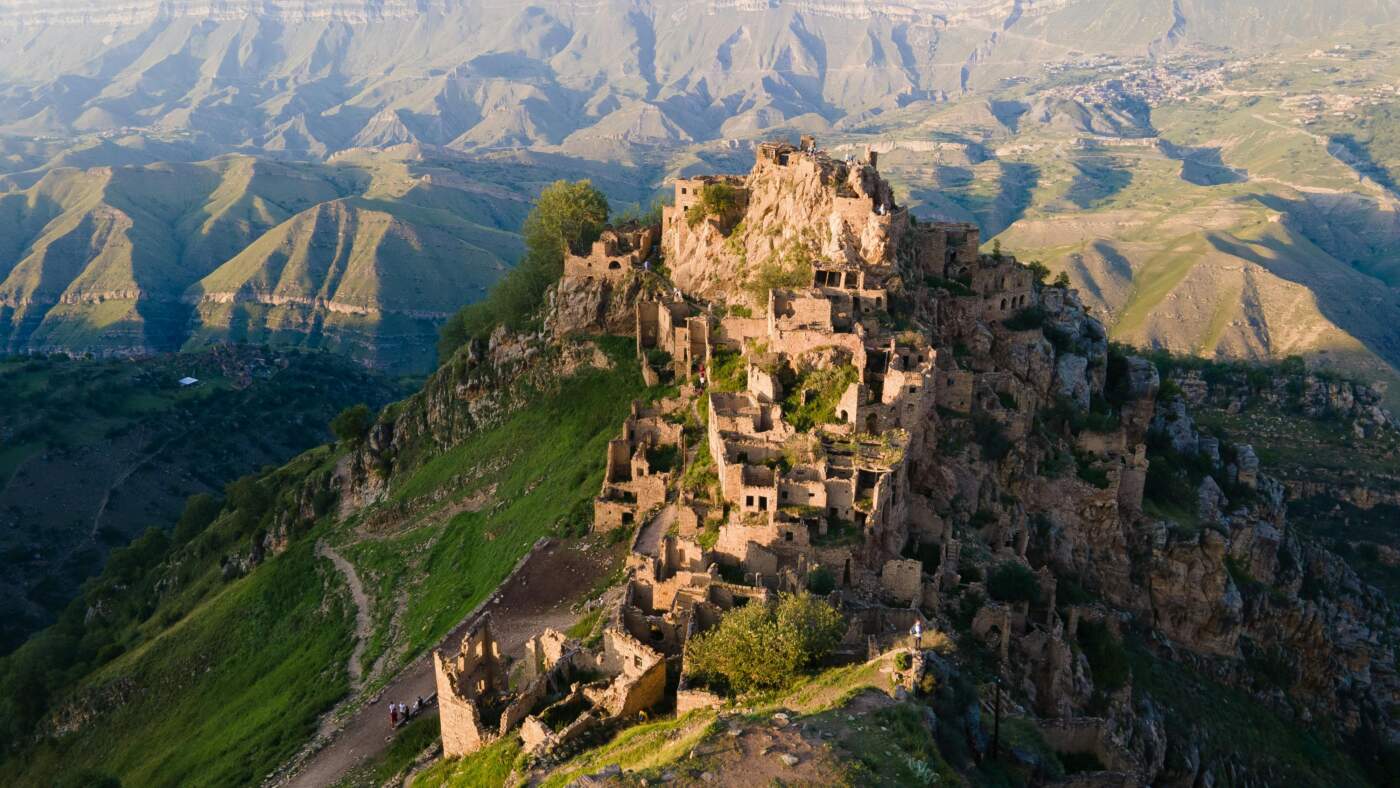
Introduction to Dagestan
Dagestan, located in the North Caucasus region of Russia, is a culturally rich and geographically diverse area. Bordered by the Caspian Sea to the east, it is home to a multitude of ethnic groups, languages, and traditions that contribute to its unique identity. Understanding Dagestan is essential, as it plays a significant role in the geopolitics of the region, influenced by both historical legacies and contemporary challenges.
Cultural Diversity
Dagestan is often referred to as the ‘Land of Mountains’ due to its rugged terrain, which includes the towering peaks of the Greater Caucasus. This mountainous landscape is not only breathtaking but has also fostered a rich tapestry of ethnic groups, including Avars, Dargins, Kumyks, and Lezgins, among others. With over 30 languages spoken, Dagestan represents one of the most linguistically diverse areas in the world.
Festivals and traditional music play a vital role in the cultural expression of Dagestani people. Events like the Avar New Year and various local fiestas highlight the region’s heritage, showcasing traditional dances, cuisine, and a sense of community.
Current Events and Challenges
Despite its cultural richness, Dagestan faces numerous challenges. Recent years have witnessed ongoing issues concerning political instability and security. Various factions have engaged in conflicts, often linked to broader tensions within Russia and the impacts of historical grievances dating back to the Soviet era. The rise of extremist groups has further complicated the social fabric of Dagestan, leading to incidents that have drawn international attention.
As of late 2023, authorities are implementing various strategies aimed at promoting stability and encouraging economic development. Notably, local government initiatives are focusing on improving infrastructure and investing in tourism, presenting Dagestan as a destination for adventure seekers and culture enthusiasts alike.
Conclusion: The Future of Dagestan
As Dagestan continues to navigate its complexities, its future remains uncertain yet hopeful. The rich cultural heritage and the resilience of its people offer a foundation for growth and peace. For those looking to understand the dynamics of the North Caucasus, Dagestan stands out not only as a place of beauty but also as a microcosm of broader regional struggles. Observing how the region manages its diversity and fosters development in the face of adversity will be significant for both locals and international observers alike.