Introduction
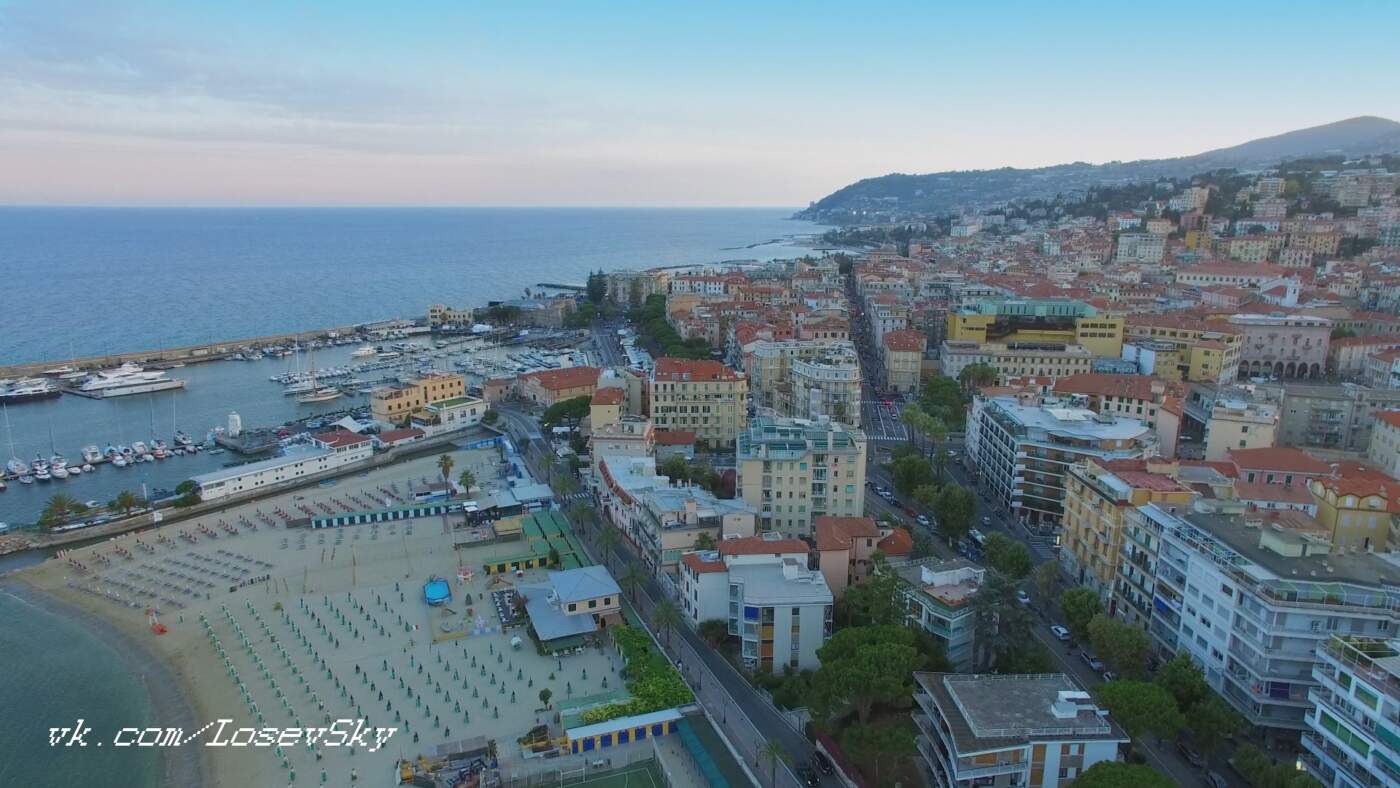
San Remo, a vibrant coastal town in the Italian Riviera, has gained international recognition for its stunning landscapes, rich cultural heritage, and annual music festival. The town, often referred to as the “City of Flowers” due to its lush gardens and floral festivals, attracts tourists from all over the globe. Understanding San Remo’s significance provides insights into Italy’s cultural diversity and tourism economy.
Geographical and Historical Significance
Located in the province of Imperia in the Liguria region, San Remo boasts a picturesque position along the Mediterranean coast. The town is not only known for its natural beauty but also has a historical legacy that dates back to Roman times. The strategic coastal position made it a crucial trade center over the centuries.
Cultural Highlights
One of San Remo’s most significant cultural events is the San Remo Music Festival, held annually since 1951. This prestigious festival serves as a springboard for many Italian pop singers and has contributed to Italy’s rich musical landscape. Additionally, the town is home to the famous Casino of San Remo, an architectural marvel that adds to the glamour and allure of the Mediterranean lifestyle.
Tourist Attractions
Visitors to San Remo can explore several noteworthy attractions, including the historic Old Town, known as La Pigna, with its quaint streets and charming architecture. The Russian Orthodox Church, built in the early 20th century, showcases the town’s diverse cultural influences. Moreover, the beautiful gardens of Villa Ormond offer a tranquil retreat with stunning views of the coastline.
Conclusion
San Remo stands as a testament to Italy’s rich cultural and natural heritage. Its combination of historical significance, breathtaking views, and vibrant festivals makes it a must-visit destination. As tourism continues to flourish in San Remo, the town is expected to remain a key player in promoting Italy’s cultural diversity and appeal on the global stage.