Introduction
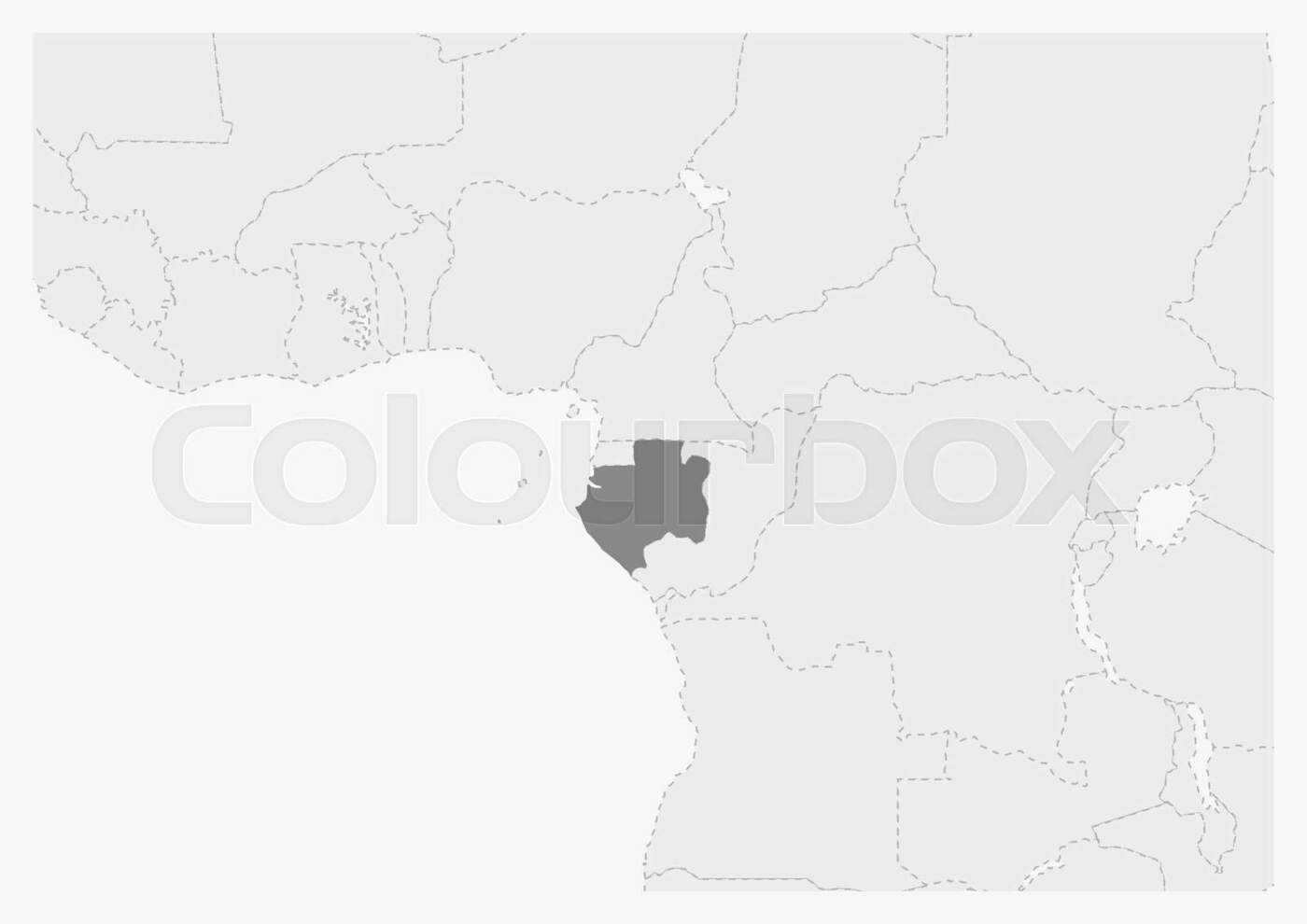
Gabon, located on the west coast of Central Africa, is often overlooked by travellers seeking the traditional African safari experience. However, it boasts a remarkable biodiversity, stunning landscapes, and a rich cultural heritage that is increasingly drawing attention from ecotourists and conservationists alike. With more than 80% of its land covered by forests, Gabon is not just a destination—it is a sanctuary for wildlife. This article explores the significance of Gabon in contemporary environmental discussions, tourism, and conservation efforts.
Rich Biodiversity and Natural Treasures
Gabon is home to a variety of ecosystems, including coastal mangroves, savannas, and lush rainforest, supporting an array of wildlife such as gorillas, elephants, and numerous bird species. The country has established several national parks, covering around 11% of its territory. Notable among these is Loango National Park, renowned for its unique combination of beach, rainforest, and savanna ecosystems. It also provides a habitat for the endangered western lowland gorilla and other remarkable species. Gabon is often touted as one of the best places in the world to experience nature in its untouched form.
Cultural Heritage and Local Communities
The cultural landscape of Gabon is vibrant, with over 40 different ethnic groups, each contributing to the rich tapestry of the nation. Traditional music, art, and customs are deeply rooted in the daily lives of the Gabonese. Notably, the Bwiti religion, practiced mostly by the Fang people, integrates elaborate rituals and ceremonies that highlight the deep connection between spirituality and nature. Visitors often experience this through local festivals and community-driven tourism initiatives that promote cultural exchange and understanding.
Tourism and Sustainability
In recent years, tourism in Gabon has seen growth, particularly in ecotourism. The government has undertaken various initiatives to promote sustainable tourism practices while protecting its unique environments. The Gabonese government has aimed to position the country as a premier ecotourism destination, enticing visitors with its natural wonders and cultural heritage. However, this comes with challenges, including the need for infrastructure improvements and preservation of wildlife habitats against threats such as logging and mining.
Conclusion
Gabon stands at a crossroads, balancing economic development and conservation. As global awareness of environmental issues increases, Gabon’s rich natural resources offer both potential and responsibility. Should the nation continue to embrace its strengths in biodiversity and culture, it could emerge as a leading example of sustainable tourism and conservation in Africa. The ongoing commitment to protecting its vast natural treasures and promoting its cultural diversity will not only benefit Gabon’s future but could also inspire other nations in the region.