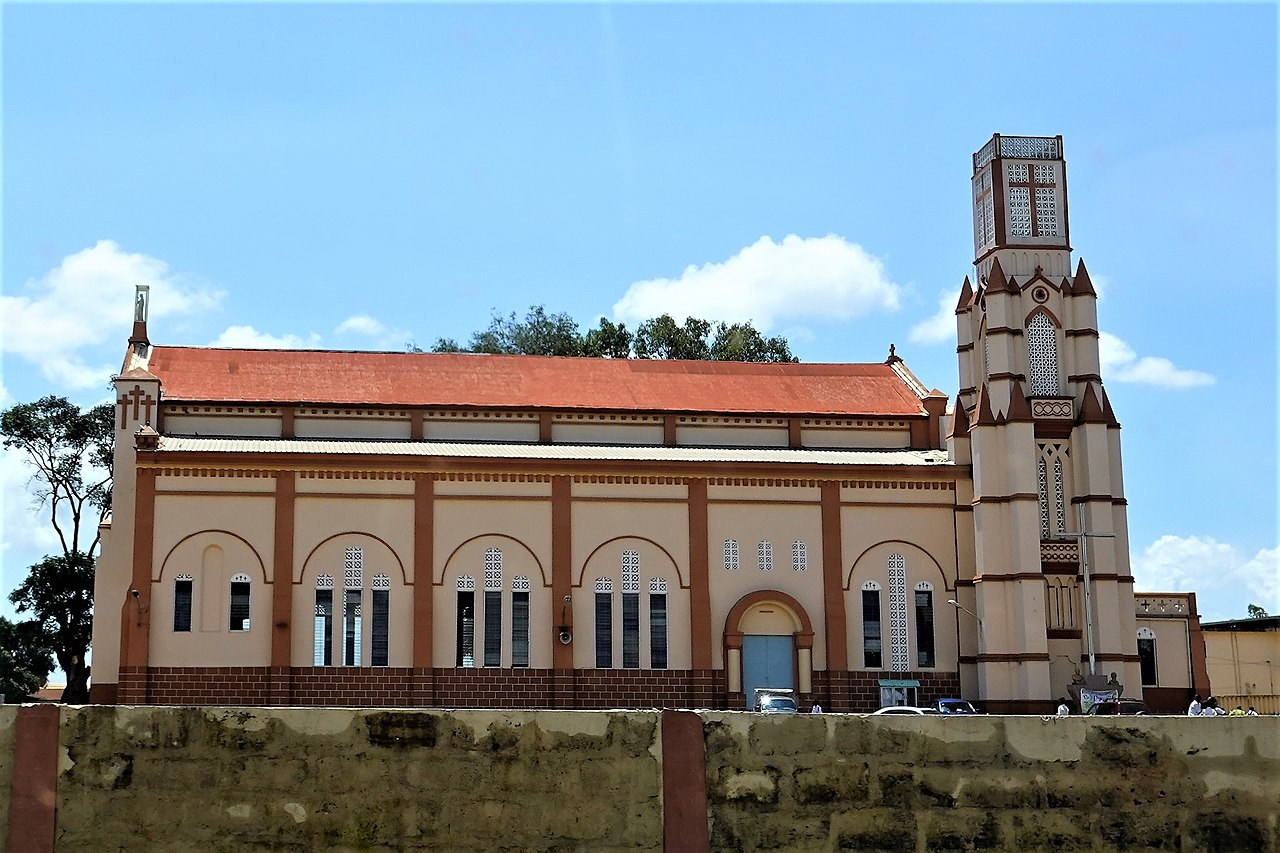
Introduction to Benin
Situated in West Africa, the Republic of Benin is known for its rich history, diverse culture, and significant modern developments. It is a country that has successfully merged its traditional heritage with contemporary issues, making it a focal point for scholars, tourists, and policymakers alike. Understanding the dynamics of Benin is essential not only for appreciating its unique customs but also for grasping the broader historical and economic trends shaping West Africa.
Historical Background
Benin’s history is deeply intertwined with the ancient Kingdom of Dahomey, which thrived between the 17th and 19th centuries. This kingdom was renowned for its military prowess, unique governance systems, and the significant role it played in the transatlantic slave trade. Today, the legacy of this rich history is visible in numerous cultural practices, festivals, and the famous Royal Palaces of Abomey, a UNESCO World Heritage site.
Cultural Landscape
The culture of Benin is an intricate tapestry woven from various ethnic groups, including the Fon, Yoruba, and Adja peoples. This diversity is celebrated through music, dance, art, and religion. The annual Voodoo Festival in Ouidah is a prime example of Benin’s cultural vibrancy, attracting visitors from around the world. Moreover, Benin is often referred to as the birthplace of Voodoo, a spiritual system that has influenced numerous cultures across the globe.
Modern Developments
In recent years, Benin has made notable strides in economic development and governance. The government has focused on improving infrastructure, enhancing educational facilities, and promoting agricultural exports. Additionally, the country’s commitment to democracy has been highlighted by peaceful transitions of power. These initiatives are contributing to a burgeoning tourism industry, positioning Benin as an emerging destination for those seeking cultural experiences.
Conclusion
In conclusion, Benin stands out as a nation that encapsulates the complexities of historical narratives and cultural richness in West Africa. As it continues to evolve, the significance of Benin grows, not just as a historical hub but as a modern state actively engaging in global affairs. For readers and potential visitors, understanding Benin means appreciating both its past and its aspirations for a promising future.