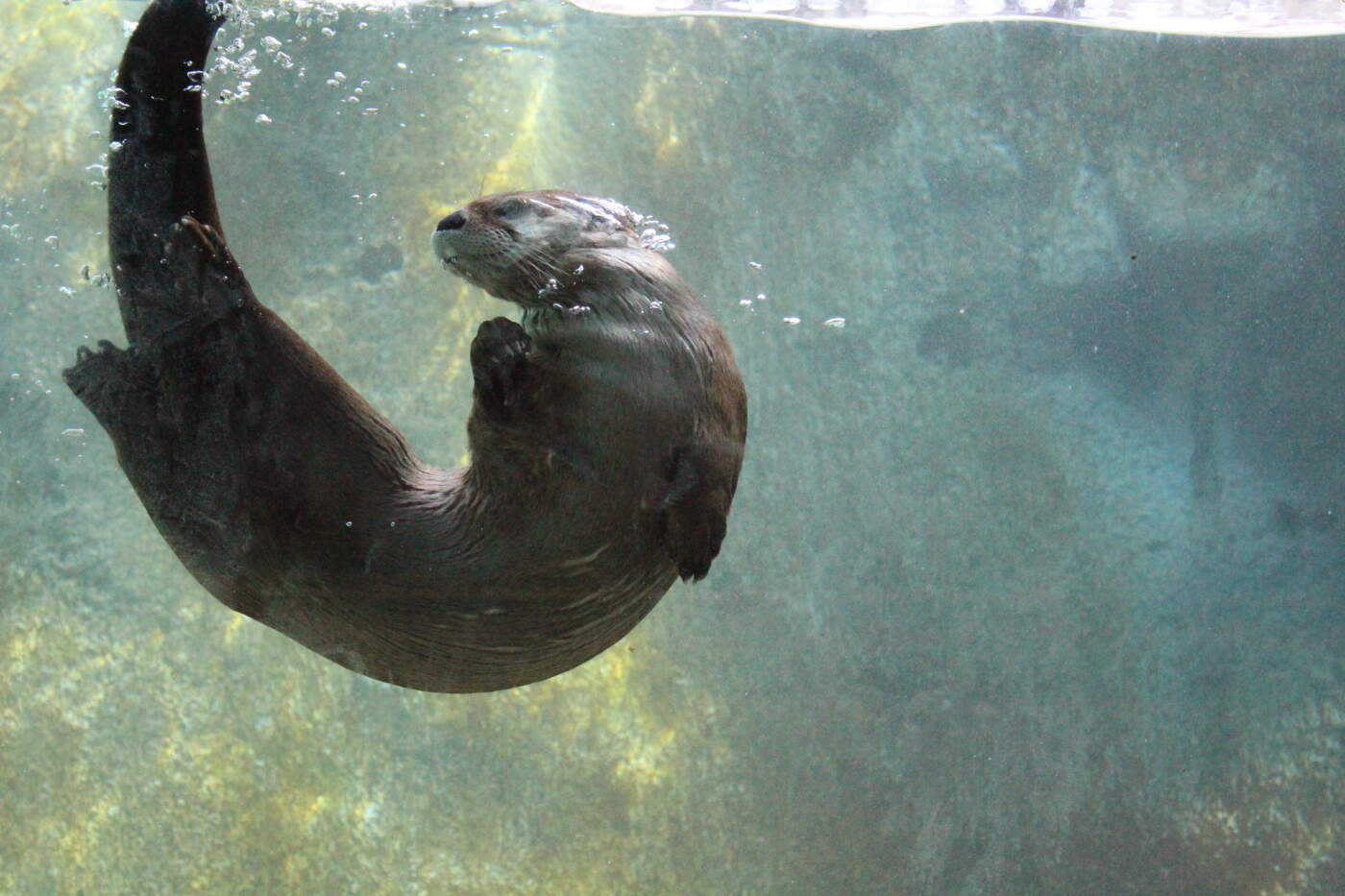
Introduction to River Otters
River otters (Lontra canadensis) are playful aquatic mammals found primarily across North America. These adaptable creatures are crucial to maintaining the health of wetlands and aquatic ecosystems, reflecting environmental quality. As humans continue to impact their habitats, understanding the importance of river otters is critical for conservation efforts.
Habitat and Distribution
River otters are commonly found in a range of aquatic environments, including rivers, lakes, and marshes. Their distribution spans from the Arctic tundra in the north to the southern areas of the United States and parts of Mexico. With a preference for clean water, river otters rely on healthy ecosystems rich in fish, amphibians, and crustaceans for their diet, indicating the health of the habitats they occupy.
Behaviour and Adaptations
Known for their playful nature, river otters engage in various social activities, including sliding down mud or snowbanks and playing with one another. Their unique adaptation includes webbed feet for swimming, a thick fur coat that keeps them insulated, and streamlined bodies for agile movement in water. River otters are also skilled hunters, capable of diving for up to 8 minutes to catch fish and other prey.
Conservation Status
While river otters were once overhunted for their fur, conservation efforts in recent decades have led to a recovery in many areas. Current threats to river otters include habitat destruction due to urban development, pollution, and climate change. Conservationists are advocating for the protection of wetland habitats to ensure the long-term survival of river otter populations.
Conclusion and Significance
As indicators of ecological health, river otters play a vital role in their environments. Their presence can signal a thriving ecosystem, prompting conservation efforts to restore and protect these habitats. By raising awareness and promoting conservation initiatives, we can help safeguard not only river otters but also the biodiversity that depends on healthy waterways. Observing these charismatic creatures in their natural habitats can also inspire future generations to value and protect wildlife.