Introduction
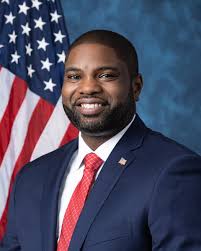
Byron Donalds has emerged as a significant figure in American politics, gaining attention for his perspectives and contributions to the Republican Party. His rise is not just noteworthy for his political stance but also because he represents a new wave of leadership in Washington, appealing to a broad spectrum of voters. As discussions around race, identity, and governance continue to evolve in the context of American society, Donalds’ presence in Congress invites critical examination of these themes.
Background and Early Life
Born on September 28, 1978, in Brooklyn, New York, Byron Donalds spent his early years in a diverse environment that shaped his worldview. After high school, he pursued higher education at Florida State University, where he studied finance. Following his academic career, Donalds transitioned into the business world, eventually becoming a successful entrepreneur. His experiences in both the corporate and a political landscape laid the groundwork for his commitment to public service.
Political Career
In 2016, Donalds made his first foray into politics, successfully running for the Florida House of Representatives. During his tenure, he became known for advocating fiscal responsibility and limited government. His straightforward communication style and emphasis on grassroots engagement helped him connect with constituents. In 2020, he was elected to the U.S. House of Representatives, representing Florida’s 19th district. His election marked a significant milestone as he became one of the few Black Republican congressmen in the United States.
Key Initiatives and Positions
Since taking office, Byron Donalds has tackled a range of issues including economic reform, healthcare, and education policy. He is a strong proponent of reducing taxes and cutting regulatory burdens on businesses, believing that such measures foster economic growth. Additionally, Donalds has been an advocate for school choice, arguing that parents should have greater control over their children’s education. His stance on social issues often aligns with traditional Republican values, but he also emphasizes the importance of dialogue and bipartisanship to address national challenges.
Conclusion
Byron Donalds represents a new generation of leaders in American politics, bringing fresh perspectives to the legislative table. As debates on critical issues intensify, his influence will likely continue to grow within the Republican Party and across the political landscape. Observers suggest that his career trajectory may be indicative of a shifting dynamic in how minority voices are represented in politics. Whether he continues to build a profile as a prominent leader will depend on his ability to navigate the complexities of governance and foster collaboration among differing viewpoints.