Introduction
Bolivia, a landlocked country in South America, is renowned for its diverse culture, rich history, and stunning landscapes. From the dramatic Andes mountains to the vibrant Amazon rainforest, Bolivia offers an array of environments that reflect the traditional lifestyles of its indigenous peoples. Understanding Bolivia is crucial for appreciating not only its geographical importance but also its role in the broader context of South American politics and culture.
Geography and Biodiversity
Covering over 1.1 million square kilometres, Bolivia features a vast range of ecosystems. The west is dominated by the Andes, which are home to numerous unique species and cultures, while the east transitions into the Amazon Basin, teeming with biodiversity. The Salar de Uyuni, the world’s largest salt flat, attracts thousands of tourists each year, showcasing both the natural beauty and the potential for sustainable tourism in the region.
Recent Political Events
In recent years, Bolivia has seen significant political changes. The 2020 presidential election, which followed months of political turmoil and protests against former president Evo Morales, resulted in the election of Luis Arce from the Movement for Socialism party. His administration has focused on rebuilding the economy amidst the challenges posed by the COVID-19 pandemic. Recent reports indicate an emphasis on social welfare programs and economic recovery strategies, which include support for agriculture and mining sectors that are crucial for Bolivia’s economy.
Cultural Landscape
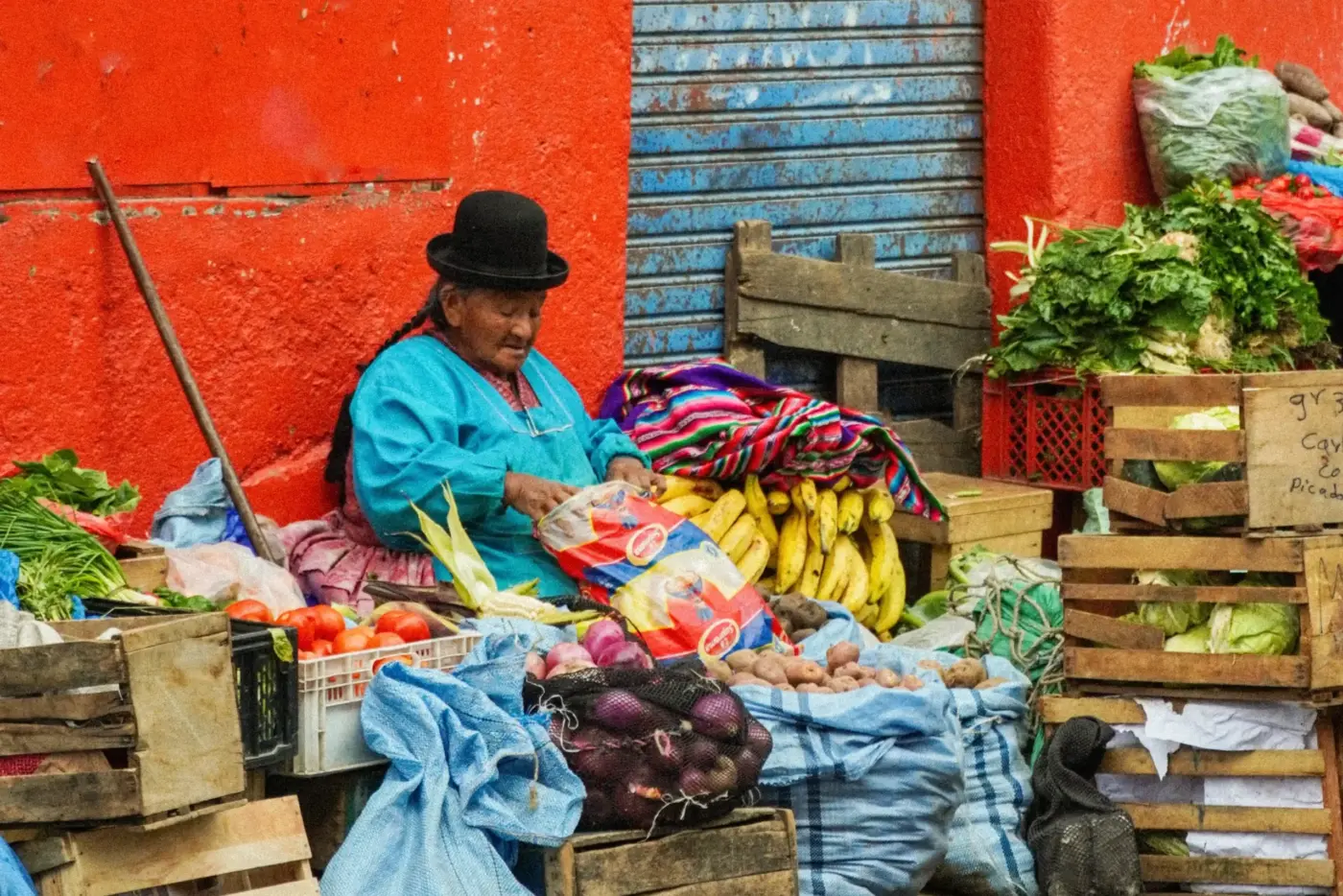
Bolivia is a tapestry of cultures, with over 36 indigenous groups, each contributing to the rich cultural heritage. Festivals such as Carnaval de Oruro reflect the fusion of indigenous and Spanish traditions, drawing visitors from around the globe to witness colourful parades and vibrant costumes. Furthermore, Bolivia’s official languages include Spanish and several indigenous languages, reinforcing the importance of cultural identity in the national discourse.
Conclusion
As Bolivia continues to adapt to global challenges, including climate change and economic fluctuations, its resilience is noteworthy. The integration of indigenous knowledge into modern practices is paving the way for innovative solutions in agriculture and resource management. For readers and potential visitors alike, Bolivia promises an enriching experience full of unique landscapes, vibrant cultures, and ongoing stories of resilience. Understanding Bolivia’s complexities will be essential as it navigates its future on both regional and global stages.