Introduction
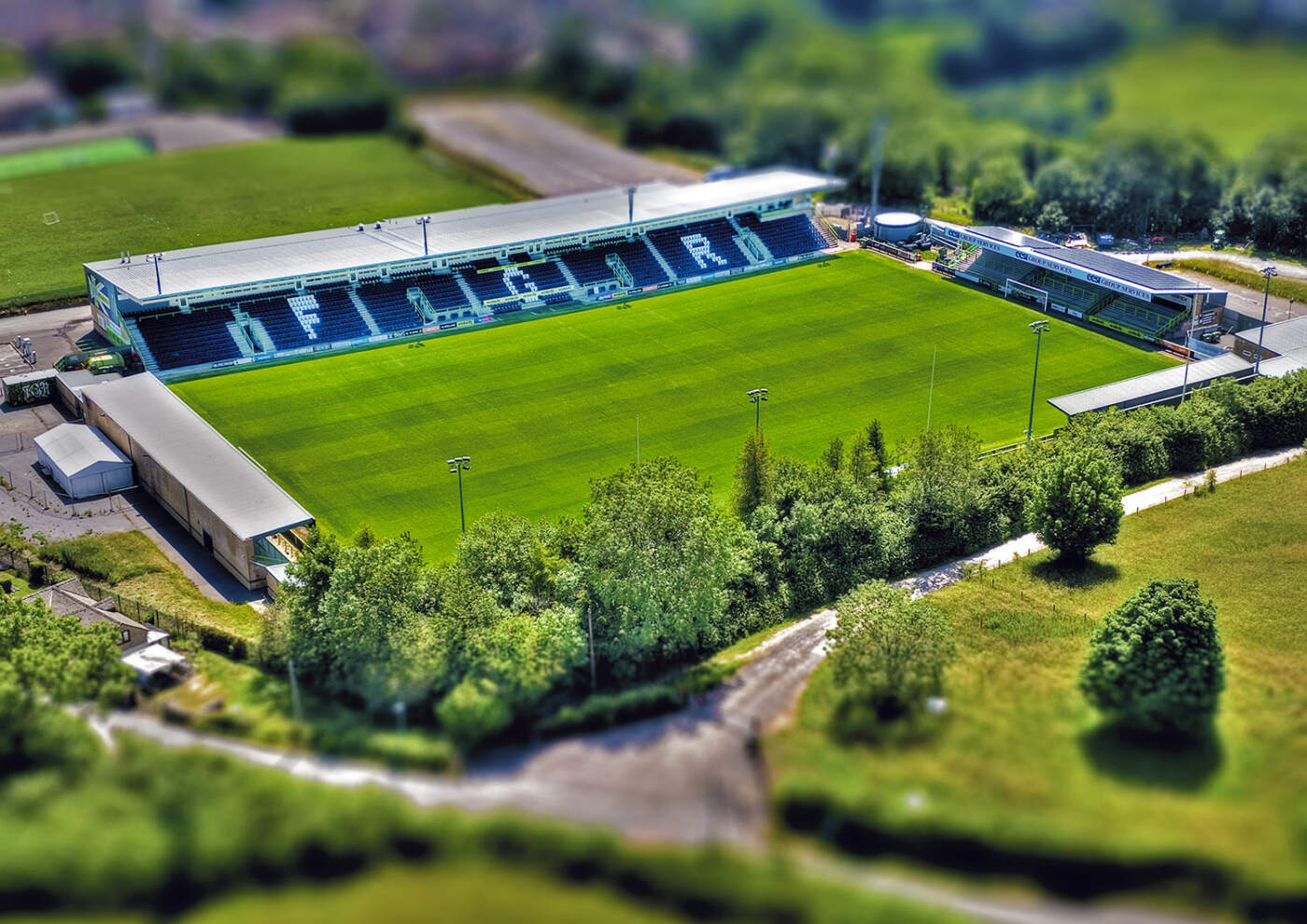
Forest Green Rovers, a football club based in Nailsworth, Gloucestershire, has gained international recognition not just for its performance on the pitch but for its unwavering commitment to sustainability. As the world becomes increasingly conscious of climate change and environmental issues, Forest Green Rovers stands at the forefront of the movement, showcasing how sports can be a vehicle for positive change. This article explores the club’s innovative approaches to eco-friendly practices and their relevance to the future of football.
Environmental Initiatives
Founded in 1889, Forest Green Rovers has developed a reputation as the world’s greenest football club, a title endorsed by FIFA. The club has implemented a variety of sustainability initiatives, including a completely vegan menu at their New Lawn stadium, which is designed to reduce the carbon footprint associated with food consumption. In 2021, the club announced its aim to be carbon neutral, achieving this goal through renewable energy sources, sustainable materials, and waste reduction strategies.
In addition to their culinary choices, Forest Green Rovers has invested heavily in green infrastructure. The stadium itself has been constructed using sustainable materials, and their pitch is maintained organically, avoiding the use of harmful pesticides and chemicals. Various energy-efficient technologies have also been integrated, including solar panels and electric vehicle charging points, showcasing a holistic approach to sustainability.
Impact on the Community and Beyond
The club’s initiatives extend beyond just football. Forest Green Rovers engages with the local community through various outreach programs that promote environmental awareness and sustainability among younger generations. Educational workshops, community gardening projects, and partnerships with local schools have helped to inspire a growing movement focused on ecological stewardship.
Furthermore, the team’s achievements in recent seasons have brought increased attention to their mission. As they compete in the EFL (English Football League), their platform allows for greater advocacy, influencing other clubs to adopt sustainable practices. This ripple effect is crucial, as the future of football grapples with the implications of climate change and the need for sustainable development.
Conclusion
Forest Green Rovers exemplifies what it means to be a leader in sustainability within the professional sporting world. Through their innovative practices, they not only uphold the values of environmental stewardship but also inspire fans, supporters, and other clubs to consider the ecological impact of their operations. As more organisations recognise the importance of sustainability, the club’s model could well provide a blueprint for the future of sports globally. The continued success of Forest Green Rovers may depend on their on-pitch performance, but their true legacy lies in their commitment to making football a catalyst for environmental change.