The numbers
Gas prices have surged to four-year highs following recent attacks by Israel and Iran on gasfields, raising concerns about global energy supply. Brent crude oil prices jumped by 8% to $116 a barrel before settling at $110, while European gas prices saw a significant spike, with the Dutch wholesale gas price increasing by 24% to €68 per megawatt hour.
In the UK, gas prices rose by 23%, reaching 172p a therm, marking the highest level since August 2022. This dramatic increase in energy costs comes as crude prices have soared by 60% since the onset of the US-Israeli war on Iran, which began on February 28, 2026. The conflict has not only disrupted local markets but has also sent shockwaves through the global energy landscape.
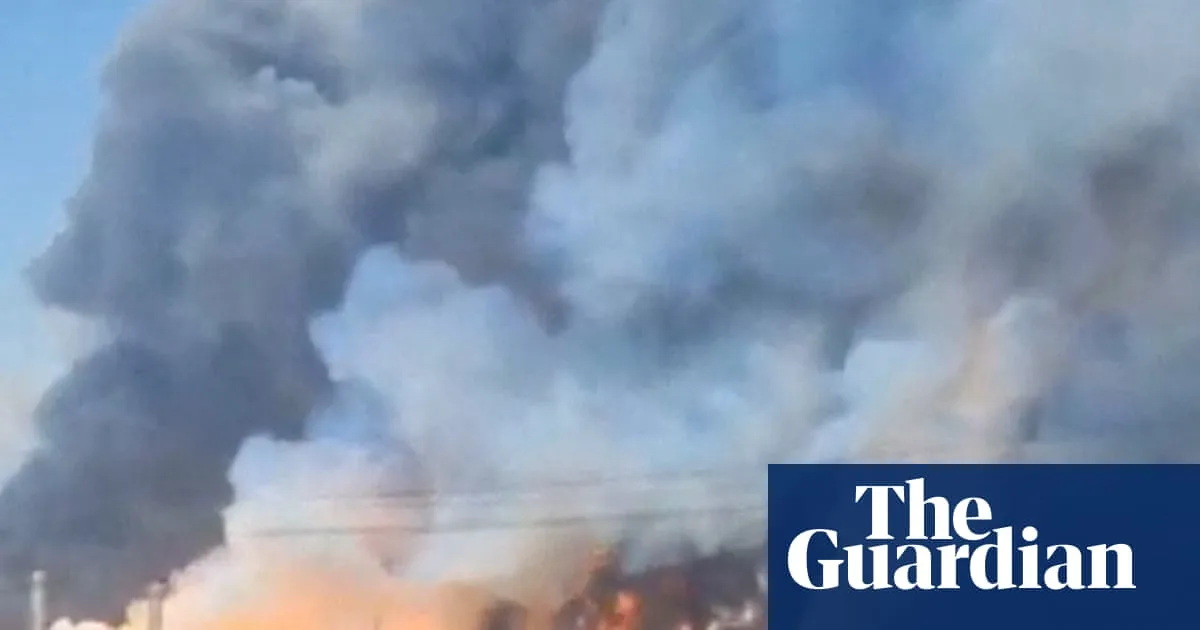
Significantly, Iran’s recent attacks have damaged facilities responsible for 17% of QatarEnergy’s liquefied natural gas export capacity. This has raised alarms among energy analysts and market observers. Susannah Streeter, a market analyst, stated, “Fears of a sustained energy shock have resurfaced after the escalation in the Iran war sent oil and gas prices soaring.” This sentiment reflects a growing concern that the ongoing conflict could lead to prolonged instability in energy supply.
Authorities in Abu Dhabi have responded to the escalating situation by shutting down operations at its Habshan gas facility and Bab oilfield due to the Iranian attacks. The energy consultancy Wood Mackenzie noted that these attacks on Qatar’s LNG hub have significantly altered the global gas market outlook, suggesting that the repercussions will be felt worldwide.
Market analysts are also warning that the price of gas in the world market will inevitably rise, as the gas supply cannot be quickly substituted. One analyst commented, “This will almost certainly cut off a level of supply of LNG to the world market,” indicating that the ramifications of these attacks could extend far beyond the immediate region.
As the situation unfolds, observers are keeping a close eye on the potential for further price increases. Streeter has also warned that oil could reach $150 a barrel if the conflict escalates further. The uncertainty surrounding the ongoing conflict and its impact on energy supply chains has left many in the community anxious about the future of gas prices.
Details remain unconfirmed regarding the full extent of the damage to gas facilities and the long-term implications for global energy markets. However, the current trends suggest that consumers may need to brace for continued volatility in gas prices as the situation develops.