Introduction
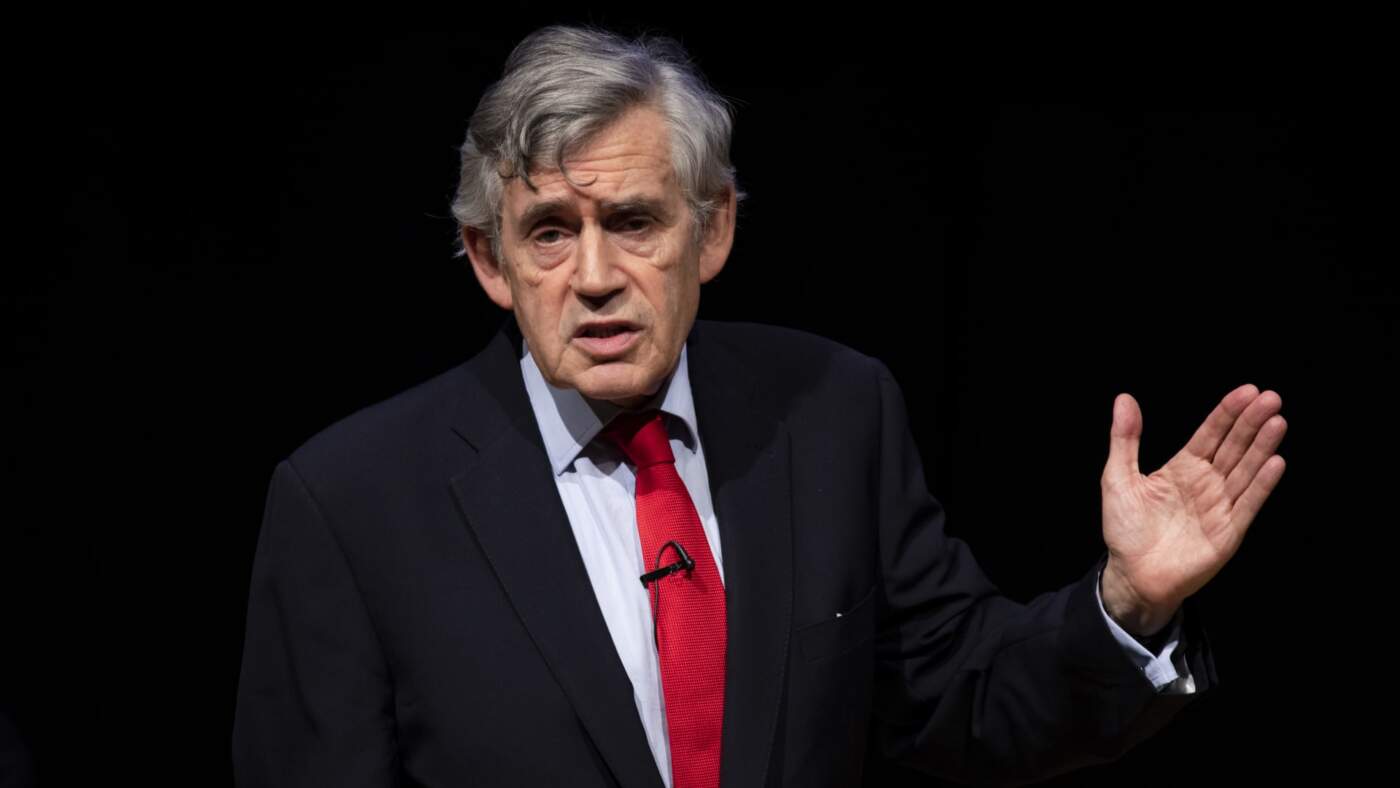
Gordon Brown, the former Prime Minister of the United Kingdom, continues to be a pivotal figure in British politics even years after his tenure ended in 2010. His leadership during the global financial crisis, his policies concerning education and health, and his commitment to international development have left a lasting legacy. Recently, Brown has remained active in political discourse, providing insights into ongoing global issues and advocating for progressive policies.
Main Achievements
As Chancellor of the Exchequer from 1997 to 2007, Brown introduced measures that transformed the UK economy, focusing on improving public services through increased investment in healthcare and education. Following Tony Blair’s resignation, Brown became Prime Minister amidst the 2008 financial crisis, where his economic strategies were credited with stabilising the British economy during a tumultuous period.
One of his notable responses to the financial crisis included the introduction of the Bank of England’s quantitative easing policy, which aimed to inject liquidity into the economy and spur growth. His government also played a crucial role in the G20 summit in London, which sought to coordinate a global response to the financial meltdown, showcasing Brown’s commitment to international cooperation.
Current Involvement and Views
Following his time as Prime Minister, Brown has been a vocal advocate for various issues, including climate change and global health, especially in the wake of the COVID-19 pandemic. He has focused on the importance of equitable vaccine distribution and has been involved in numerous international summits and discussions aimed at achieving sustainable development goals.
Additionally, Brown has recently emerged as a critic of the current Conservative government, especially regarding issues of economic disparity and public investment in essential services. His insights have contributed to discussions around the need for a more robust safety net for vulnerable populations, particularly in light of the economic challenges exacerbated by the pandemic.
Conclusion
Gordon Brown’s influence on British politics is significant and continues to resonate today. As he advocates for economic equality and global cooperation, his perspectives remain relevant. With ongoing discussions around public health and sustainability, Brown’s experience and vision will likely continue to shape the political landscape in the UK. This past Prime Minister’s legacy serves as a reminder of the importance of thought leadership in times of crisis and highlights the continuous need for responsive governance in an ever-changing world.