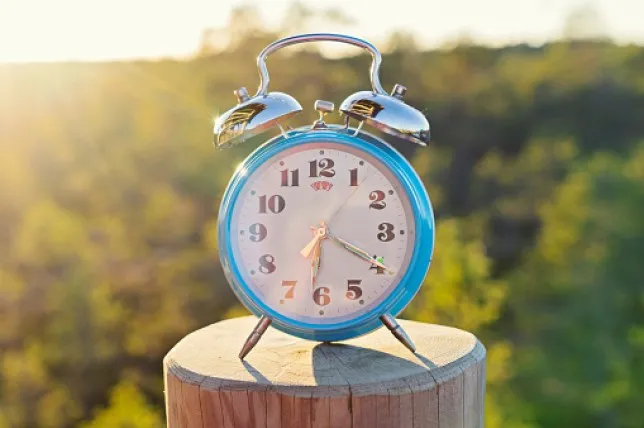
Daylight Saving Time (DST) has been a part of the calendar since it was first proposed by William Willett in 1907. This practice, which involves moving the clocks forward by one hour on the last Sunday in March, aims to make better use of daylight during the longer days of summer. In the United Kingdom, the transition to British Summer Time (BST) occurs annually, with the clocks set to spring forward at 1am.
On March 29, 2026, the clocks went forward once again, prompting many to reflect on the implications of this time change. While some enjoy the extended daylight in the evenings, others express concerns about the health effects associated with the switch. Research indicates that there is a 24% increase in heart attacks on the day following the change to DST, highlighting the potential risks involved.
Dr. John O’Neill, a prominent figure in the discussion surrounding DST, remarked, “It is like everybody in the country gets an hour’s jet lag, all at the same time.” This sentiment resonates with many who feel the abrupt shift can disrupt their daily routines and health.
Polling in recent years has shown that 59% of Britons would prefer to remain on BST if the time changes were to be scrapped altogether. This growing preference raises questions about the necessity of continuing the practice of changing the clocks twice a year.
Charlie Morley, a sleep expert, emphasized the significant impact of even a single hour of lost sleep, stating, “What research shows is what a massive effect on the body and mind, just one extra hour [of sleep] can have.” The effects of sleep disruption extend beyond mere fatigue, affecting mental health and overall well-being.
Interestingly, while most electronic devices automatically adjust for the time change, some do not, leading to confusion for individuals who rely on these gadgets. The phrase “spring forward, fall back” has become a common reminder, echoing through households as the time change approaches.
As communities adapt to the new time, discussions about the future of DST continue. Observers and officials are weighing the benefits of extended daylight against the health risks and public sentiment. The conversation surrounding whether to maintain or abolish the practice is likely to gain momentum in the coming years.
For now, as the clocks have gone forward, many are left to navigate the changes and their implications on daily life. The debate over the relevance of Daylight Saving Time remains open, with voices from various sectors contributing to the ongoing dialogue.