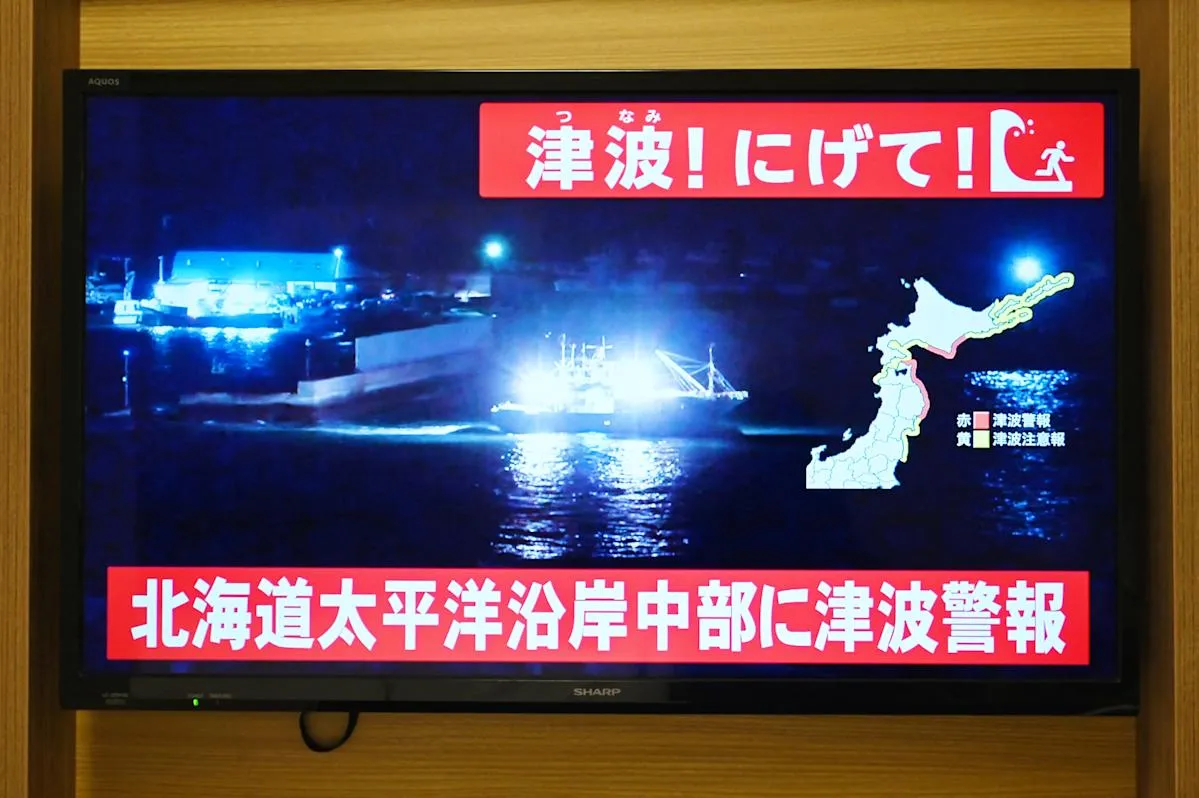
Before the Tsunami
Prior to the events of March 11, 2011, Japan was already recognized as one of the most earthquake-prone countries in the world, situated on the ‘Ring of Fire.’ The nation had a robust infrastructure designed to withstand seismic activity, and the public was generally prepared for earthquakes. However, the expectation of a disaster of such magnitude was beyond the realm of possibility for many.
The Decisive Moment
On that fateful day, a 9.0-magnitude earthquake struck off the northeastern coast of Japan, triggering a tsunami that devastated coastal towns in the Tohoku region, including Kamaishi, Ofunato, and Rikuzentakata. The immediate aftermath saw approximately 20,000 people lose their lives, with more than 22,000 individuals reported missing or killed. The scale of destruction was unprecedented, leading to a humanitarian crisis.
Direct Effects
The tsunami’s impact was not limited to physical destruction; it also caused catastrophic failures at the Fukushima Daiichi nuclear power plant. The plant experienced multiple meltdowns, leading to widespread radiation concerns. In response, the Japanese government evacuated 160,000 people from Okuma and surrounding towns, establishing a 20-kilometer exclusion zone around the facility.
Expert Perspectives
In the wake of the disaster, government officials attempted to reassure the public. Prime Minister Shinzo Abe stated, “The situation is under control,” while experts like Yukio Shirahige warned, “This is a dangerous level of radioactivity.” The contrasting messages highlighted the uncertainty and fear surrounding the nuclear crisis.
The aftermath of the tsunami and nuclear disaster has had lasting effects on Japan’s energy policy and public health. The government has spent millions on decontaminating Fukushima and rebuilding infrastructure, while the population of Okuma has dwindled to around 1,000 residents, a stark contrast to the pre-disaster numbers.
Rebuilding and Recovery
As Japan continues to recover, the lessons learned from the tsunami have prompted a reevaluation of safety protocols and disaster preparedness. The country had 54 nuclear reactors before the disaster, but public sentiment has shifted significantly against nuclear energy, leading to a rethinking of Japan’s energy strategy.
The Japan tsunami of 2011 was a watershed moment that reshaped the nation, highlighting vulnerabilities and prompting significant changes in policy and public perception. As the country moves forward, the memory of the disaster remains a crucial part of its history.