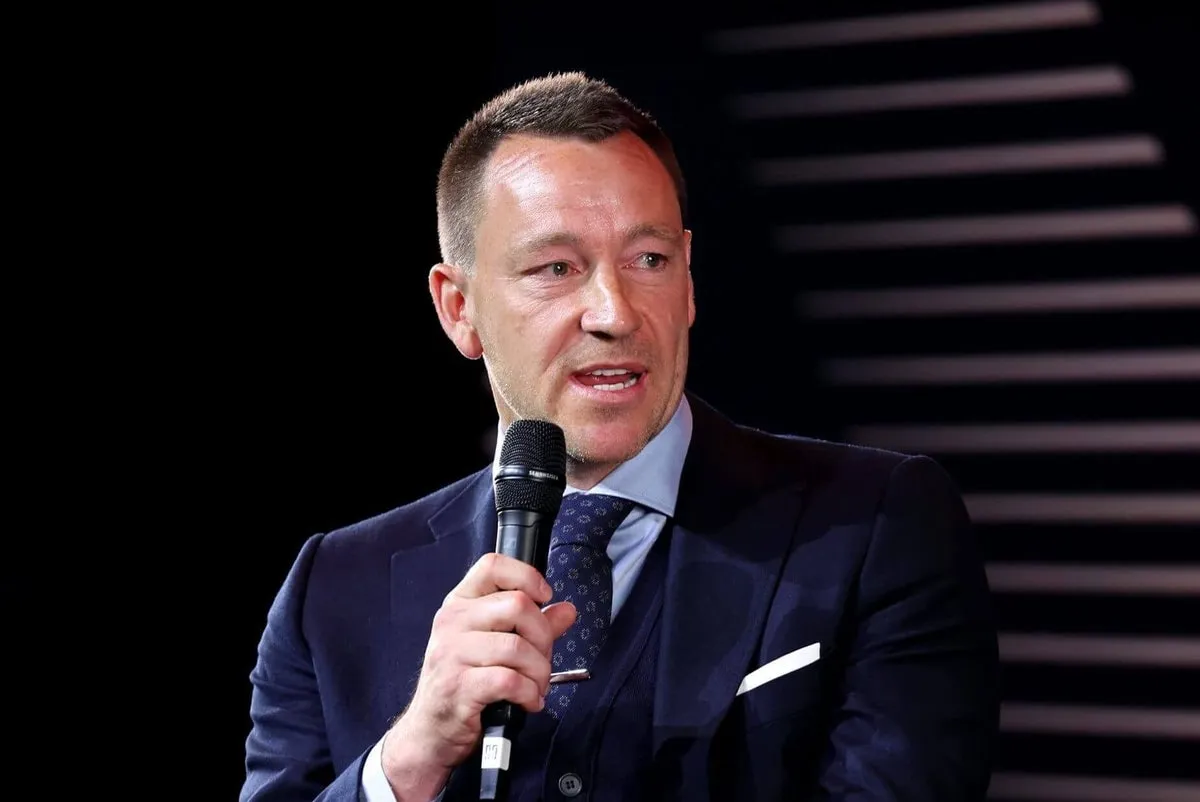
On March 22, 2026, John Terry found himself at the center of a political storm in the UK after endorsing a post by Rupert Lowe, a former MP and founder of the political party Restore Britain. This endorsement came in the wake of Lowe’s controversial statement advocating for a nationwide burqa ban and the use of English at all London stations.
Just before the endorsement, Terry had been quietly continuing his involvement in football, serving as a part-time academy coaching consultant with Chelsea since 2021. His history with the club is significant; he made 717 appearances and won five Premier League titles and the Champions League before retiring in 2018.
In response to Lowe’s post, Terry reacted with three clapping emojis and the national flag of England, which sparked immediate backlash on social media. Critics were quick to point out the potential conflict between his endorsement and Chelsea’s 2022-23 inclusion policy, aimed at reflecting the diverse environment surrounding the club.
Rupert Lowe defended Terry amidst the criticism, stating, “I see that England/Chelsea legend John Terry is taking some flak for applauding Restore Britain’s policy of banning the burqa and ensuring that all London stations use English, and English only.” This defense highlights the ongoing tension between political views and public perception, particularly for figures like Terry who have a significant following.
As the controversy unfolded, it was noted that Restore Britain was officially registered as a political party only a few weeks prior, in March 2026, after being launched as a pressure group in June 2025. Lowe’s statement, “Enough is enough. Vote Restore Britain to get our capital city back,” encapsulates the party’s stance and the sentiments of its supporters.
Meanwhile, Terry’s frustrations were not limited to politics; he recently expressed disappointment over Chelsea’s 8-2 aggregate loss to PSG in the Champions League, stating, “I’m sorry you can’t. I don’t care who you are, what team you are you cannot lose 8-2 so really frustrating.” This sentiment resonates with many fans who expect more from their team.
As of now, the situation remains delicate. Terry’s involvement in political discourse raises questions about the intersection of sports and politics, particularly for someone with his stature in the football community. The implications of his actions could affect his legacy and relationship with Chelsea, a club that prides itself on inclusivity.
For the community, this sequence of events matters as it reflects broader societal issues regarding immigration, cultural identity, and the role of public figures in shaping discourse. The reactions to Terry’s endorsement may influence how sports figures engage with political matters in the future.
Details remain unconfirmed about how this controversy will evolve and what it means for Terry’s future with Chelsea and in the public eye. As discussions continue, the community watches closely, aware of the impact such endorsements can have on both sports and society.