Who is involved
Before the launch of the King Charles III Coastal Path, the expectation was that England’s coastline would remain largely accessible only to those who knew the hidden trails and paths. The existing coastal routes were fragmented, often requiring local knowledge to navigate. Many enthusiasts of walking and nature were left wanting a more cohesive experience, one that would allow them to explore the beauty of England’s shores without the hassle of piecing together various paths.
The decisive moment came with the official launch of the King Charles III England Coast Path, which is now recognized as the world’s longest managed coastal walking route. Spanning an impressive 2,689 miles (4,328 km), this path has taken 18 years to develop and has involved the efforts of seven prime ministers. Natural England has worked diligently since 2009 to bring this vision to life, and while about 20% of the path is not yet open to the public, the anticipation is palpable as they aim to have much of it accessible by the end of the year.
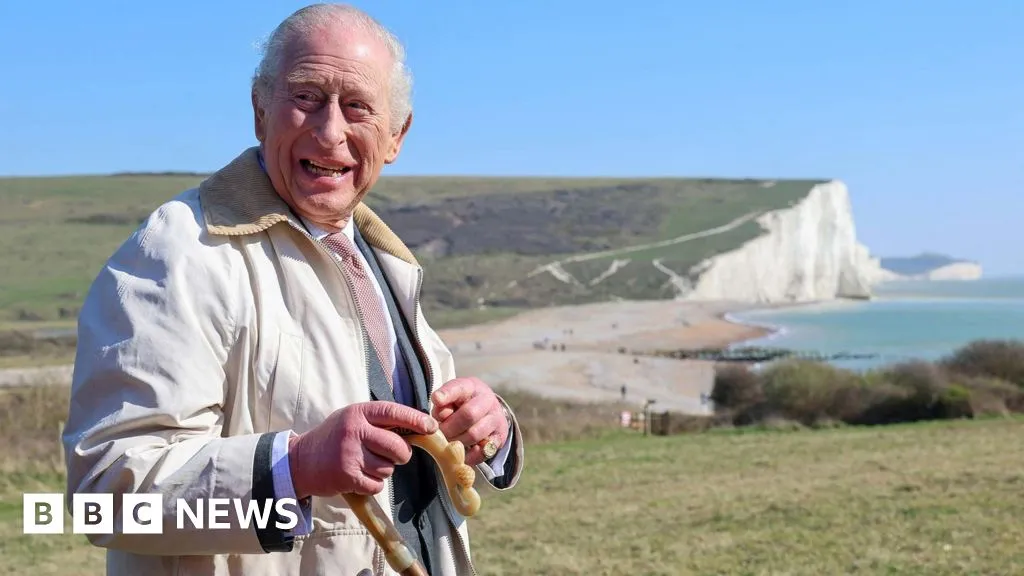
The direct effects of this development are already being felt across communities along the coast. The path not only provides a new recreational opportunity for locals and tourists alike but also supports local economies through increased foot traffic. The Seven Sisters section of the route, which stretches from Eastbourne to Littlehampton and passes through the stunning Seven Sisters National Nature Reserve, is a prime example of how the path enhances the natural beauty of the area while promoting environmental stewardship.
Experts like Tony Juniper, chair of Natural England, have expressed their delight at reaching this landmark point in the development of the coastal path. He stated, “Following 16 years of hard work from the Natural England team, we are delighted to reach this landmark point for the King Charles III England coast path.” This sentiment reflects a broader community pride in the project, as it not only celebrates the natural landscape but also the collaborative effort behind its creation.
However, not all reactions have been positive. Tim Bonner, an expert in rural affairs, criticized the project, saying, “The idea that the English coast path is a success is farcical.” This highlights the ongoing debate about the balance between accessibility and conservation, as some fear that increased foot traffic may lead to environmental degradation in sensitive areas.
On the ground, the excitement is palpable. Local residents like Sharon Willmore have shared their surprise and joy at the path’s inauguration, with Willmore recounting, “Not what we were expecting at all, just out for a nice walk and someone said the King was along there.” Such moments of serendipity showcase the path’s potential to foster community connections and shared experiences.
As the King Charles III Coastal Path continues to evolve, it promises to be a lasting legacy for future generations. The incorporation of existing national trails into this new path not only preserves the history of these routes but also enhances them, making the coastal experience richer and more diverse. The project was initiated by Gordon Brown’s government, with legislation brought forward by Hilary Benn, showcasing a long-term commitment to improving public access to natural spaces.
With 1,000 new miles of paths added to the existing coastal paths, the King Charles III Coastal Path is set to redefine how we engage with the English coastline. As Natural England works towards opening more sections of the path, the community looks forward to embracing this new chapter in England’s outdoor heritage, ensuring that the beauty of the coast is accessible to all.