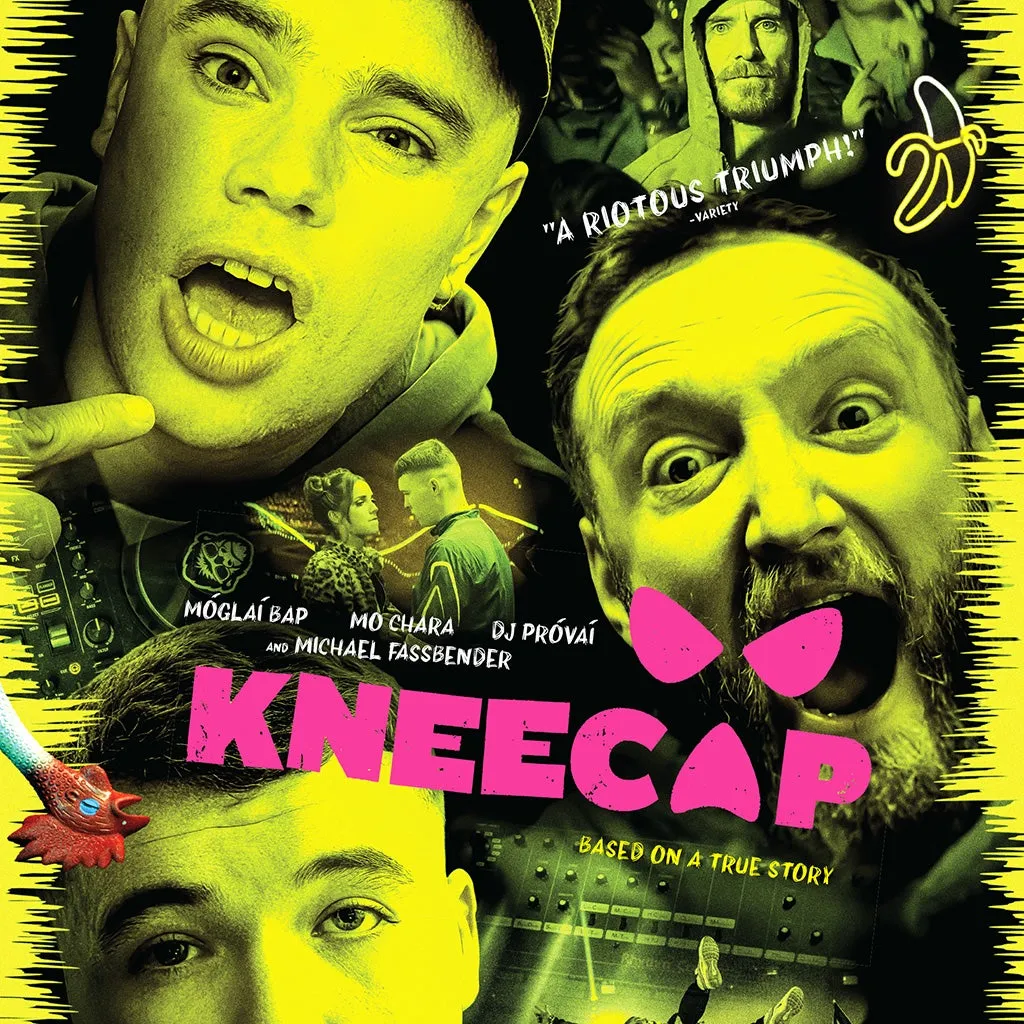
Kneecap Member Liam Óg Ó hAnnaidh Wins Appeal Over Terror Charge
Liam Óg Ó hAnnaidh, a 28-year-old member of the band Kneecap, has successfully won an appeal against a terror charge that accused him of showing support for Hezbollah during a performance in London in 2024. The High Court’s ruling was delivered remotely on Wednesday afternoon, confirming that the original case was dismissed on technical grounds.
The charge against Ó hAnnaidh stemmed from an incident on November 21, 2024, when he allegedly displayed a flag in support of Hezbollah at a gig. However, the High Court ruled that the judge had no jurisdiction to try the case, as it fell outside the six-month timeframe for bringing such charges. Chief magistrate Paul Goldspring had previously deemed the charge ‘unlawful.’
The Crown Prosecution Service had appealed the dismissal of the case, but the High Court clarified how the law applies to the issuing of written charges in summary offences. This clarification emphasized that attorney general permission was required for the director of public prosecutions to consent to a prosecution.
Ó hAnnaidh, who performs under the stage name Mo Chara, expressed his relief at the ruling, stating, “This entire process was never about me, never about any threat to the public and never about ‘terrorism’, a word used by the British government to discredit people you oppress both in Ireland and across the world.” He further asserted, “I will not be silent. Kneecap will not be silent.”
Lord Justice Edis, commenting on the case, noted, “The judge was right to hold that he had no jurisdiction to try any summary-only offence alleged to have been committed on that date.” This statement reinforces the legal complexities surrounding the case and the implications for future prosecutions.
The case against Ó hAnnaidh has drawn attention to the broader issues of free speech and the legal framework governing the display of political symbols in the UK. The High Court’s decision may set a precedent for similar cases in the future, particularly those involving artistic expression and political statements.
As the situation develops, reactions from various stakeholders, including legal experts and political commentators, are expected. The implications of this ruling could resonate beyond this specific case, affecting how authorities approach charges related to political expression.
Details remain unconfirmed regarding any potential further actions by the Crown Prosecution Service following this ruling. The case has highlighted the ongoing tensions surrounding issues of national security and freedom of expression in the UK.