Introduction
The Nipah virus, first identified in Malaysia in 1998, poses a significant public health risk due to its high mortality rate and potential for outbreaks. Recent developments have re-ignited concerns globally, as health agencies monitor the situation closely. Understanding the latest news about the Nipah virus outbreak is crucial for preparedness and response.
Current Situation
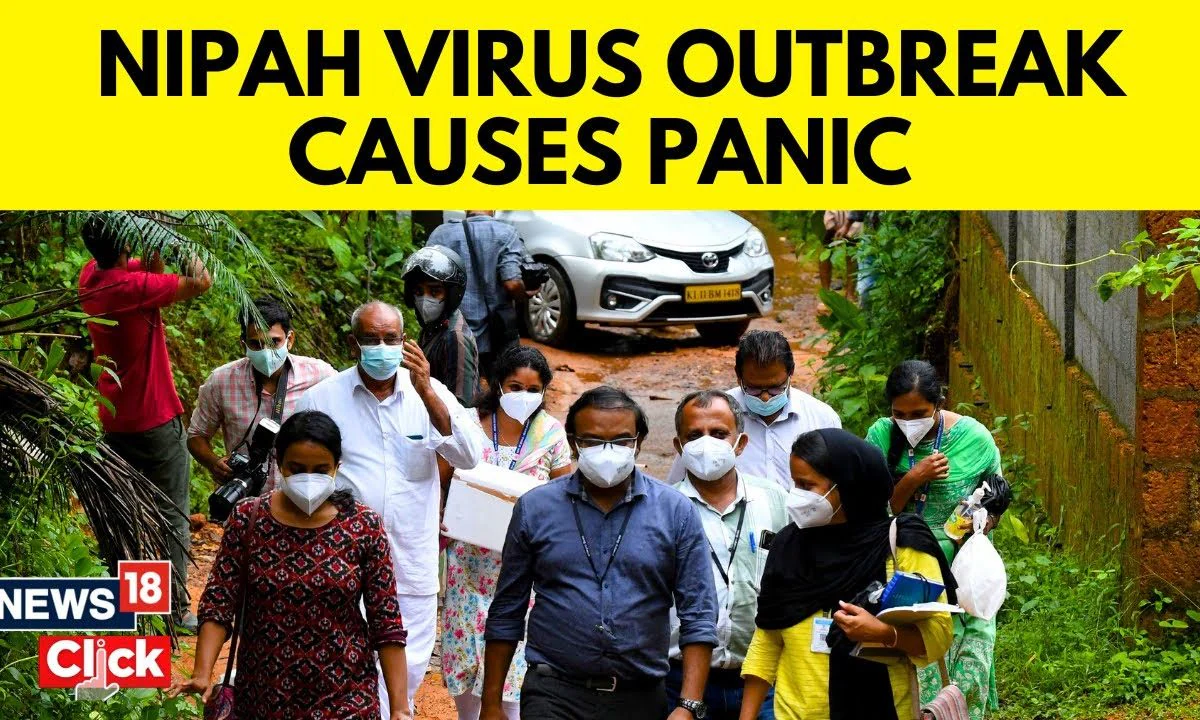
As of November 2023, several cases of Nipah virus infection have been reported in Northern India, particularly in Kerala, with health authorities confirming multiple infections and one confirmed death. The Indian Ministry of Health has issued advisories, urging the public to practice heightened hygiene and to avoid consuming fruits that may have bat exposure. The local government has enforced stringent containment measures, including mapping out the contacts of infected individuals and regular updates on symptoms to be vigilant for.
Health organisations, including the World Health Organization (WHO), are working in tandem with local authorities to track the outbreak and provide guidance. They emphasize the importance of community awareness and swift action to contain the virus, which can spread from animals to humans, and then from person to person through close contact.
Recent Developments
Laboratory testing has been a priority, with increased efforts aimed at studying the transmission pathways. Reports indicate a rise in testing capabilities within Indian hospitals. Contact tracing has uncovered that several of the infected had been in close contact with infected individuals, highlighting the need for continuous monitoring and public education.
Additionally, research continues on the potential of developing a vaccine against the Nipah virus, though challenges persist due to the unpredictable nature of the outbreaks. Initiatives to bolster healthcare infrastructure in rural areas have been reinstated to prepare for future incidents. Global experts have urged regional health systems to enhance readiness in light of the increased frequency of zoonotic diseases and associated outbreaks.
Conclusion
The current Nipah virus outbreak in India serves as a stark reminder of the persistent threats posed by zoonotic pathogens. Ongoing communication between public health officials and the community is critical in preventing further spread. Readers are encouraged to stay informed and heed public health guidance as the situation develops. As research continues and better preventative measures are established, the hope is to mitigate the impact of such outbreaks on communities, ultimately safeguarding public health.