Introduction
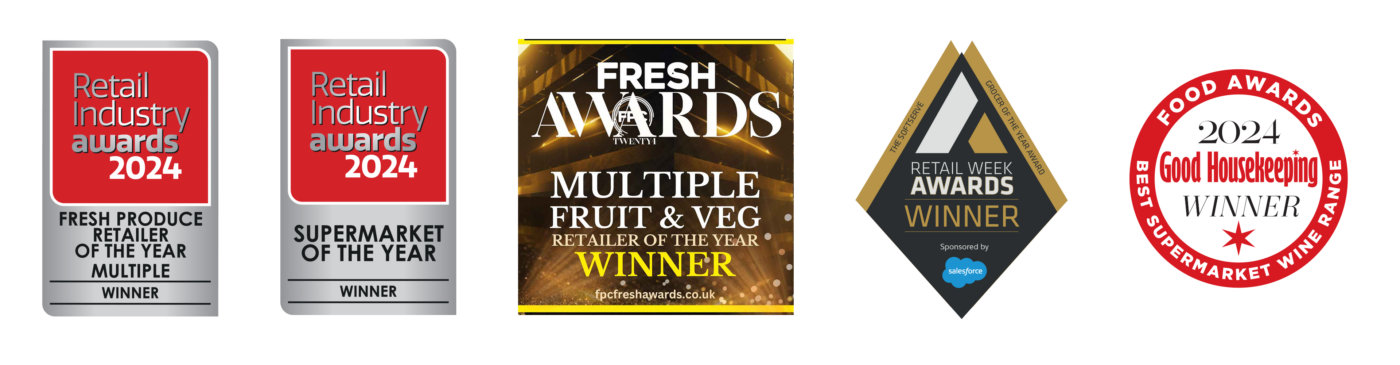
Lidl, the German discount supermarket chain, has seen a remarkable rise in popularity over recent years in the UK. With its promise of providing affordable groceries and everyday essentials, Lidl has established itself as a go-to destination for budget-conscious shoppers. As the cost of living continues to fluctuate, audiences are increasingly seeking out retailers that offer value without compromising on quality.
Recent Developments and Expansion
In October 2023, Lidl announced the opening of 40 new stores across the UK, part of a multi-million-pound expansion plan. This initiative aims to increase the number of Lidl locations to over 1,000 by 2025. The new stores will feature fresh produce sections, in-store bakeries, and improved shopping facilities, all while maintaining the chain’s low price promise. According to a recent report from market research firm Kantar, Lidl has gained significant market share and is now one of the top five grocery retailers in the UK.
Customer Experience and Product Range
Lidl’s strategy focuses not only on affordability but also on the customer experience. The supermarket has invested in staff training and store upgrades to create a more pleasant shopping environment. Furthermore, Lidl has expanded its product range to include more organic and local items, appealing to a growing consumer base that prioritises health and sustainability.
Additionally, Lidl has introduced a new loyalty programme that rewards customers with discounts and special offers tailored to their shopping habits. This move aims to cultivate customer loyalty and attract new shoppers who might have previously favoured more traditional supermarkets.
Impact on the Retail Sector
The impact of Lidl’s growth has been felt throughout the retail sector, forcing competitors to re-evaluate their pricing strategies and customer service practices. Many major supermarkets, including Tesco and Sainsbury’s, are responding by launching their own discounts and promotions to retain customers.
Conclusion
Lidl’s expansion and growing influence in the UK supermarket sector are indicative of a larger trend towards budget-friendly shopping in a changing economic landscape. For consumers seeking value, Lidl offers an attractive alternative, combining affordability, quality, and an improved shopping experience. As cost pressures persist, it will be interesting to see how Lidl continues to innovate and adapt in this competitive market. For readers, Lidl represents not only a shopping option but a shift in how retailers must operate to meet the demands of modern consumers.